How Elephants Recognise Themselves in a Mirror
- English level
- Level 3
- Topic
- Animals
- Estimated reading time
- 3 mins
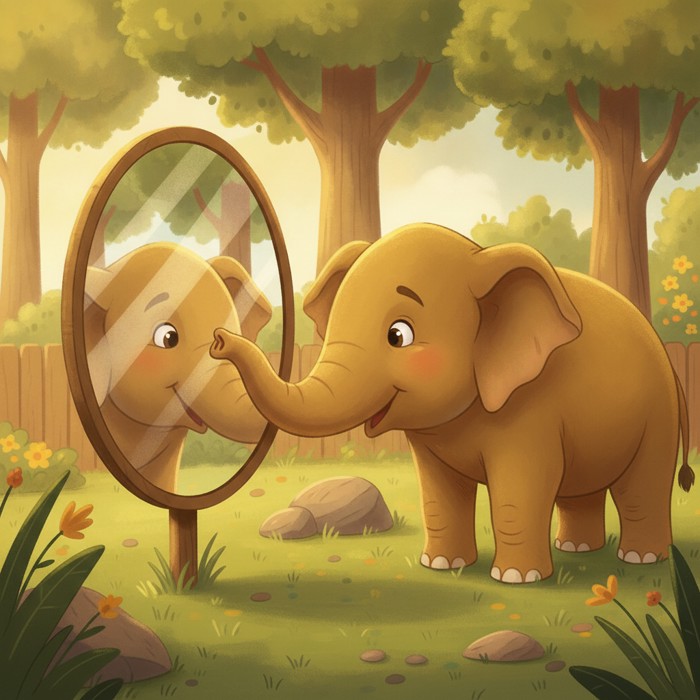
Imagine staring into a mirror and realising, with a jolt, that the face looking back is unmistakably your own.
For elephants, that moment of recognition has become one of the most compelling hints that self-awareness extends far beyond primates.
The classic test is disarmingly simple: researchers place a visible mark somewhere on an animal's body that it can only see in reflection.
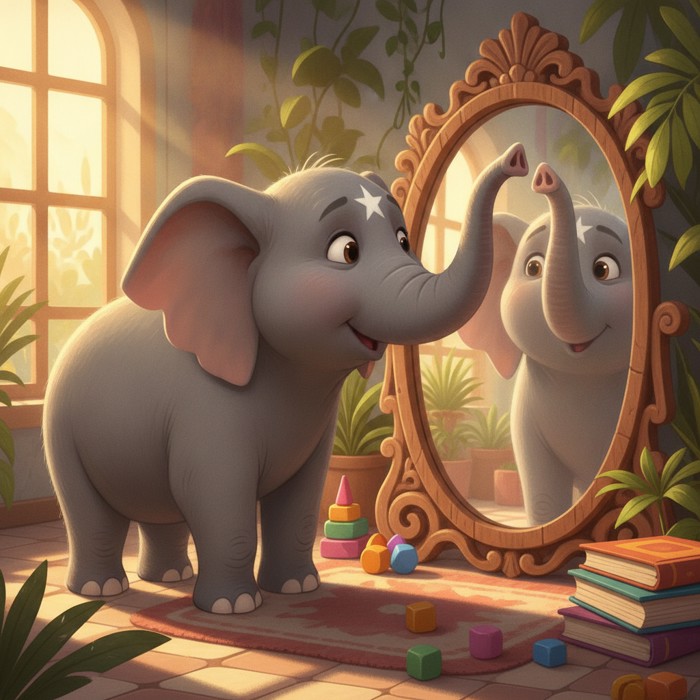
If the animal investigates the mark on itself rather than pawing at the mirror, it presumably understands that the reflection is not a stranger.
Psychologist [Gordon] [Gallup] pioneered this mirror self-recognition paradigm with chimpanzees in 1970, and for decades almost nothing else passed.
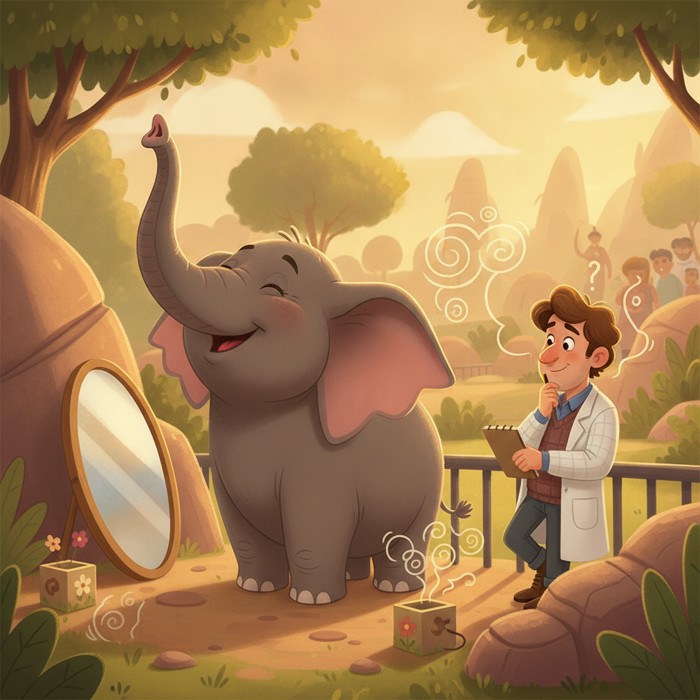
Then in 2006, a team led by Joshua [Plotnik] at the [Bronx] Zoo presented a massive, shatterproof mirror to three Asian elephants named Happy, Patty and [Maxine].
At first the elephants treated the image precisely as you might expect, probing behind the glass and attempting to peer over its edge.
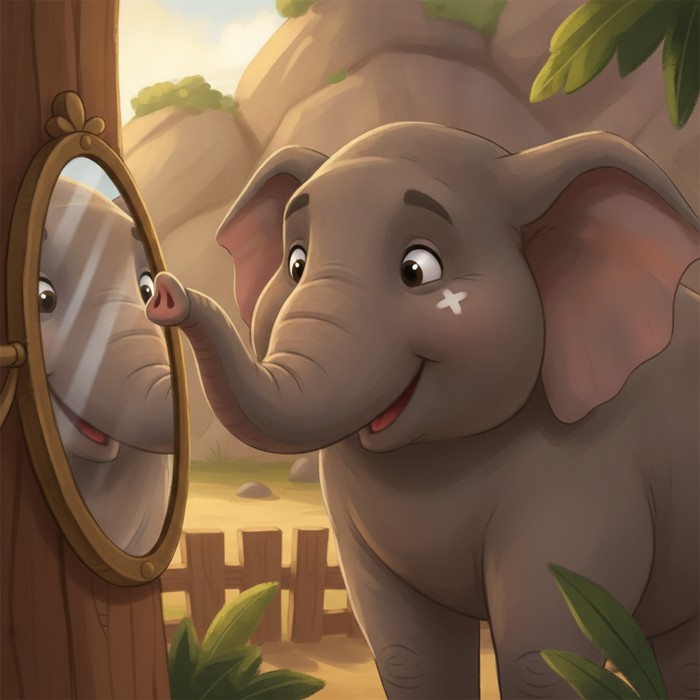
Within days, however, Happy began using her trunk to repeatedly touch a white cross painted above her eye, visible only via the mirror.
That deliberate self-directed behaviour, repeated and unprompted, satisfied even sceptical criteria for genuine self-recognition.
Not every elephant passed, which makes the result more credible rather than less, suggesting individual differences in motivation or insight rather than mere conditioning.
Subsequent studies have shown that elephants also exhibit other hallmarks arguably linked to a self-model, from consoling distressed companions to cooperatively solving problems that require tracking their own weight.
Critics rightly note that failing the mirror test does not prove an absence of self-awareness, since the task privileges vision in species that principally navigate by smell and touch.
Yet the fact that a lineage that diverged from primates more than sixty million years ago should converge on the same eerie self-recognition trick feels profoundly humbling.
Perhaps the most endearing implication is ethical: an animal that can recognise itself may also recognise that others, too, have selves worth protecting.
Key Vocabulary
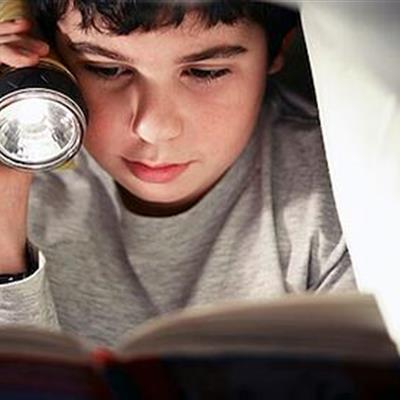 Compelling (adj) Evoking interest, attention, or admiration in a powerfully irresistible way.UK: kəmˈpelɪŋUS: kəmˈpelɪŋLearn more
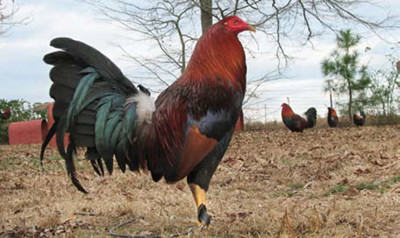 Conditioning (n) The process of training or preparing someone or something for a specific state or activityUK: /kənˈdɪʃənɪŋ/US: /kənˈdɪʃənɪŋ/Learn more
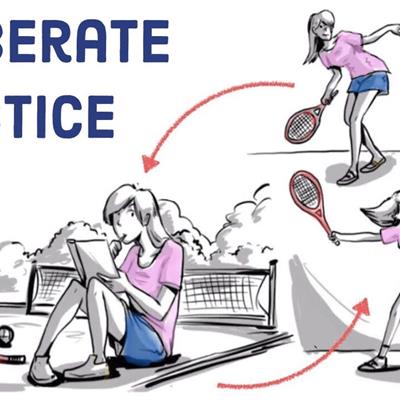 Deliberate (adj) Done consciously and intentionally.UK: dɪˈlɪbərətUS: dɪˈlɪbərətLearn more
 Hallmarks (n) A distinguishing characteristic or feature, often indicating quality or authenticityUK: /ˈhɔːlmɑːks/US: /ˈhɔːlmɑːrks/Learn more
 Humbling (adj) Making you feel that you are not as important or good as you thought you wereUK: /ˈhʌmblɪŋ/US: /ˈhʌmblɪŋ/Learn more
 Lineage (n) The series of families or generations that someone comes from, especially if they are important or nobleUK: /ˈlɪniɪdʒ/US: /ˈlɪniɪdʒ/Learn more
 Privileges (n) Special rights or advantages that only a particular person or group of people hasUK: /ˈprɪvəlɪdʒɪz/US: /ˈprɪvəlɪdʒɪz/Learn more
 Shatterproof (adj) Designed to resist breaking into pieces when hit or droppedUK: /ˈʃætəpruːf/US: /ˈʃætərpruːf/Learn more
Practice This Story
Continue learning with Ettip's stories and vocabulary challenges.
More English Stories About Animals
Animals at the Farm
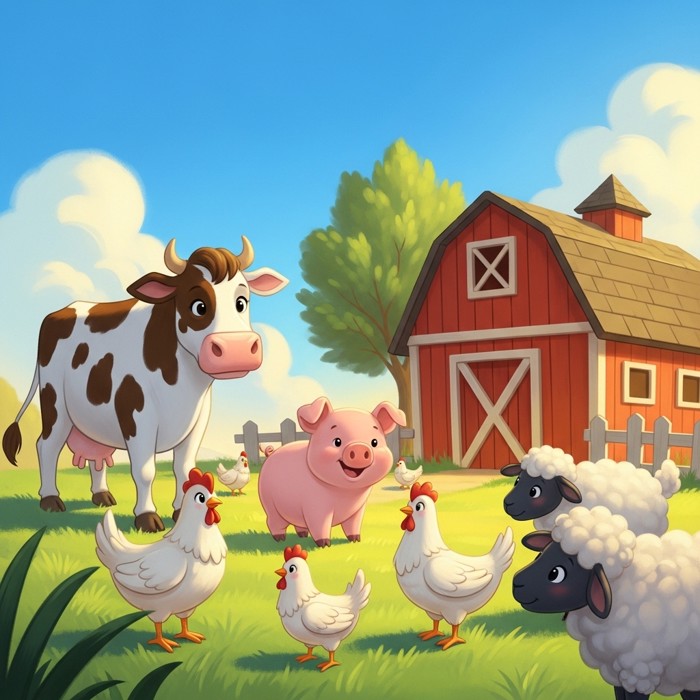
Do you know what animals live on a farm? Farms are full of amazing animals! Cows are big animals on the farm. They give milk every day. Farmers collect the milk each morning. Chickens are small and ve...
Why Cats Sleep So Much
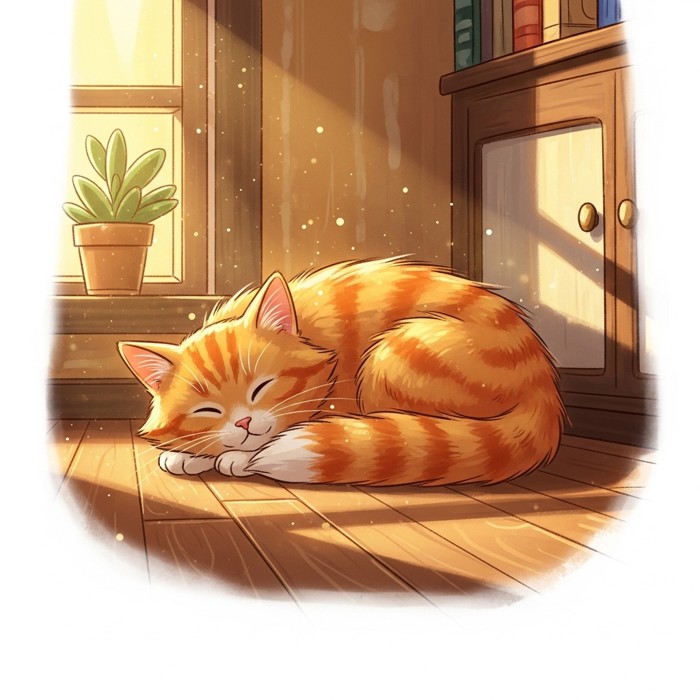
Your cat can sleep for 16 hours a day! Cats sleep more than almost any other animal. Cats are hunters in nature. Hunting uses a lot of energy. Cats rest to save their energy. They wake up ready to run...
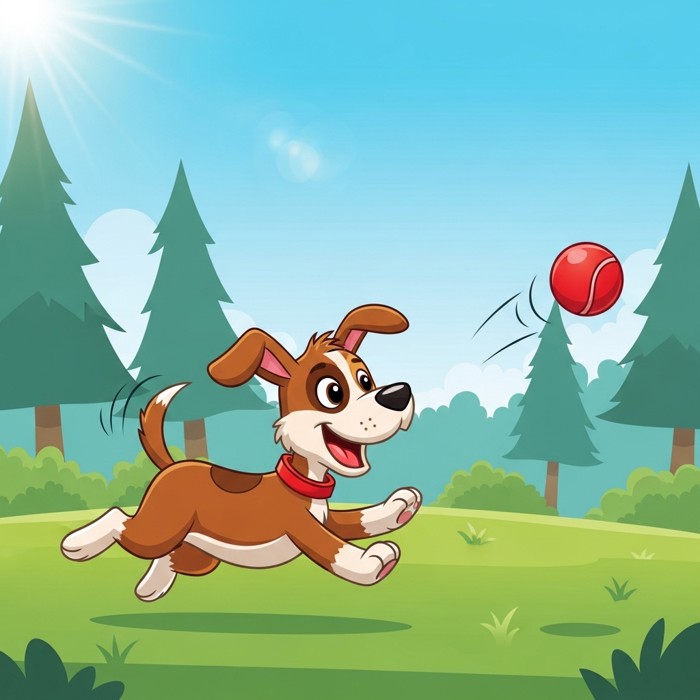
A Dog in the Park
Do you want to meet a happy dog? A dog loves the park. This dog is brown and white. He runs fast on the green grass. He wags his tail all the time. His tail moves left and right. A boy throws a ball....
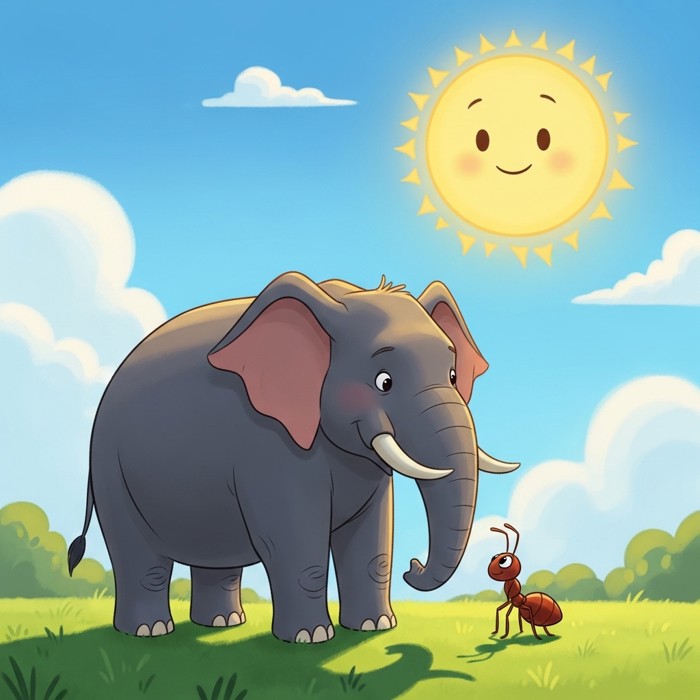
Big Animals and Small Animals
Some animals are as big as a bus! Some animals are very small. An elephant is a very big animal. It eats a lot of grass every day. A blue whale is the biggest animal in the world. It lives in the ocea...
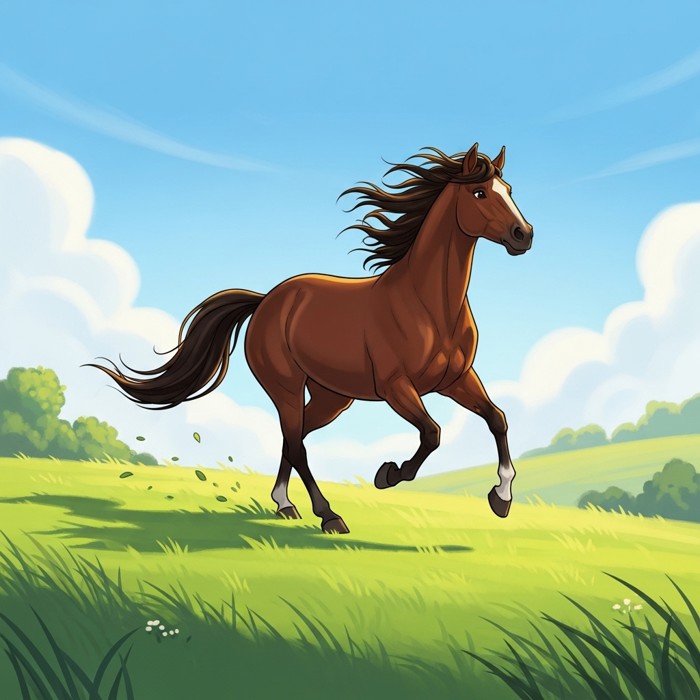
A Horse Runs Fast
A horse runs very fast. It is one of the fastest animals on land. Horses have four strong legs. Their legs help them run far. Horses also have hard hooves. The hooves hit the ground hard. Horses eat g...
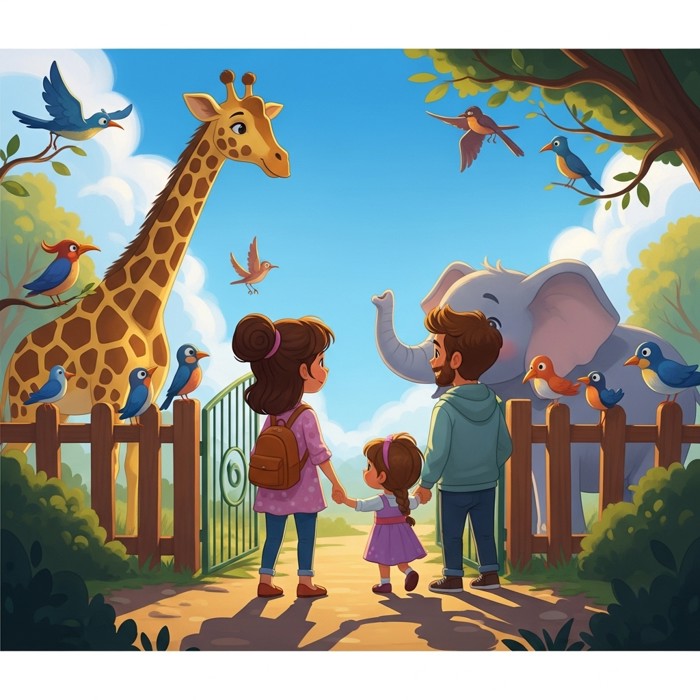
A Visit to the Zoo
Have you ever seen a giraffe eat a leaf? A zoo is a great place to see animals. Many animals live at the zoo. Some animals come from far away. Elephants are very big and strong. They have long noses c...
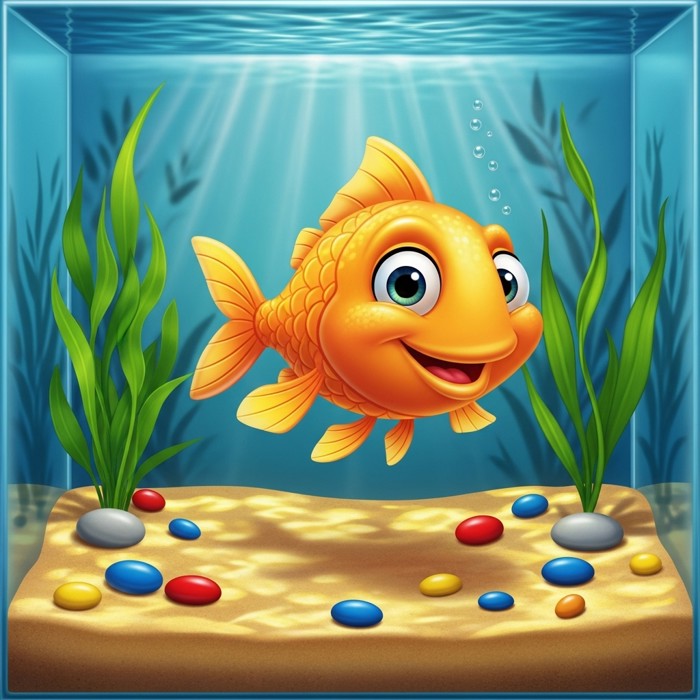
Fish in a Blue Tank
A fish does not need air to breathe. Fish live in water inside a tank. The tank is blue and clean. Fish use their gills to breathe. Gills take air from the water. Fish have fins on their body. Fins he...
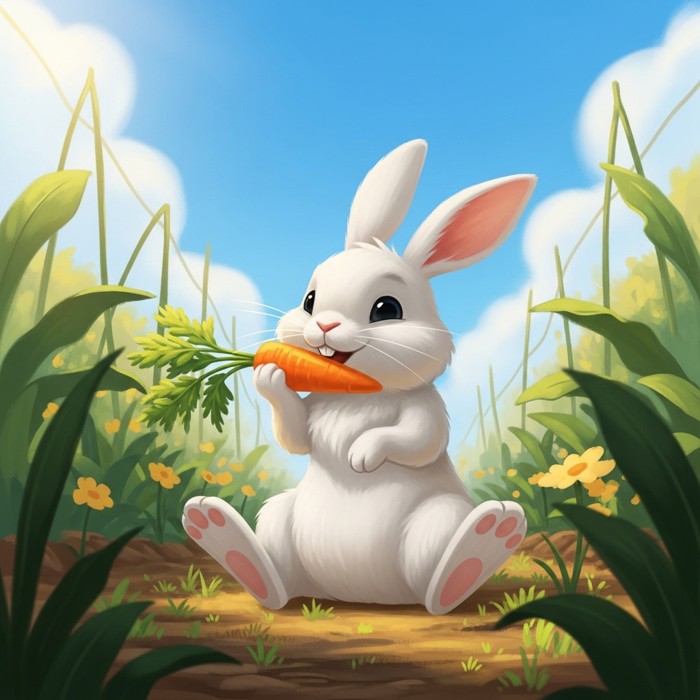
My Rabbit Likes Carrots
Do you know what a rabbit loves to eat? My rabbit loves carrots. He eats one carrot every day. Carrots are orange and sweet. My rabbit is white and very soft. He has long ears and big eyes. He hops ar...
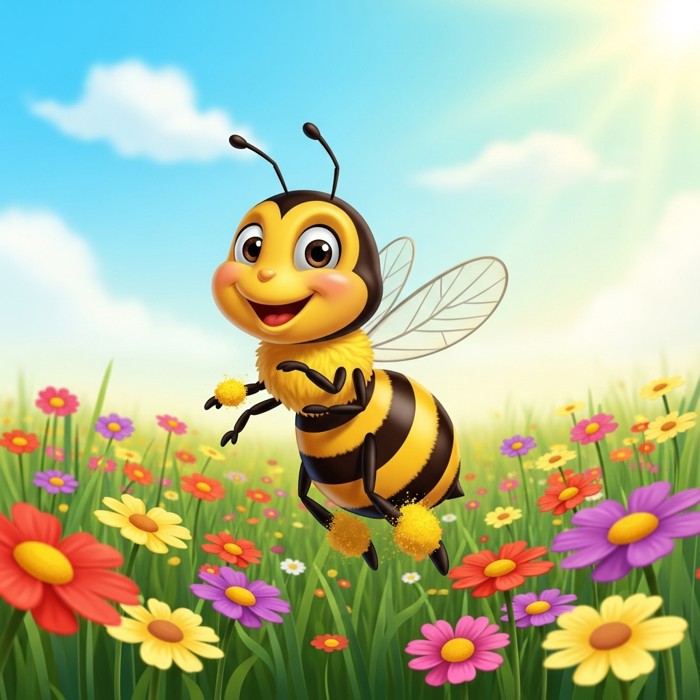
Why Bees Like Flowers
Bees visit millions of flowers every day! Why do bees love flowers? Flowers have a sweet liquid inside. Bees drink this liquid. Its name is nectar. Nectar tastes very sweet. Flowers also have yellow p...
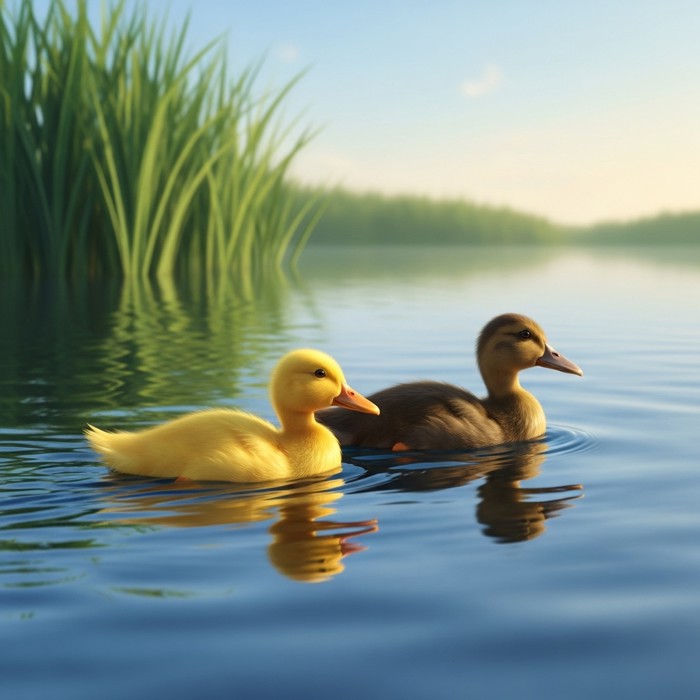
A Baby Duck in Water
A tiny duck can swim on its first day! It is called a duckling. A duckling hatches from an egg. The egg is small and white. The mother duck sits on the egg. Soon the duckling comes out. It has soft ye...