
Plants
Meaning
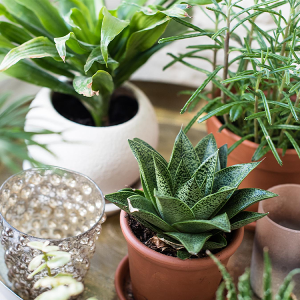
Living things that grow in the earth, usually have leaves or flowers, and produce seeds
Pronunciation
UK plɑːnts
US plænts
Example Sentences
- The diet of peafowl generally consists of a variety of plants, insects and certain reptiles and amphibians.
- The hippopotamus (Hippopotamus [Amphibius]), or hippo, ancient Greek for "river horse", is a large mammal in Africa that usually eats plants.
- Moreover, the [Angkor] Archaeological Park is very rich in medicinal plants, used by the local population for treatment of diseases.
- The plants are prepared and then brought to different temple sites for blessing by the gods.
- Horses only eat plants, making them herbivores.
- Edible sea plants such as some seaweeds and microalgae are widely eaten as sea vegetables around the world, especially in Asia.
- Snow affects ecosystems, as well, by providing an insulating layer during winter under which plants and animals are able to survive the cold.
- Sugar is found in the fibers of all plants, as a by-product of the process of photosynthesis.
- Sugar is only found in high enough concentrations from two plants to make sugar crystals for food consumption: sugarcane and sugar beets.
- The hippopotamus (Hippopotamus Amphibius), or hippo, ancient Greek for "river horse", is a large mammal in Africa that usually eats plants.
Learn Plants in Context

Explore more
Practice Plants
Read, listen, and practise using “Plants” in fun stories and activities.