How Exams Shape Student Choices
- English level
- Level 2
- Topic
- Education
- Estimated reading time
- 2 mins
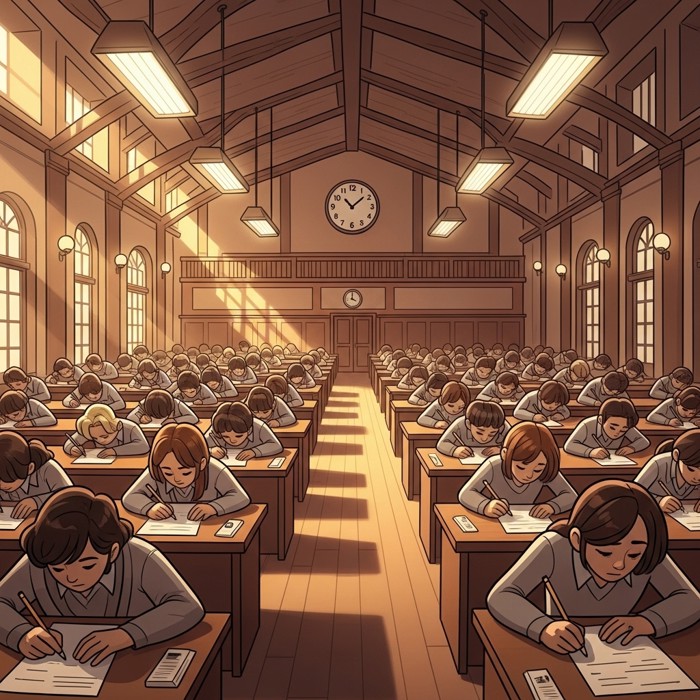
Every year, millions of students make life-changing decisions based on exam results.
These results can shape which subjects students study, which universities they attend, and which careers they choose.
In many countries, high-stakes exams determine a [student's] future path before they turn eighteen.

Students often choose subjects they are good at, not subjects they enjoy, because they want higher scores.
This pressure leads young people to avoid creative subjects like art or music.
University entrance exams push students toward popular fields such as medicine, law, and engineering.
Many students feel they must follow these paths to satisfy family expectations and social standards.

The stress of exams can make students feel anxious and lose confidence in their own abilities.
Some students spend years studying for a single exam, giving up hobbies and friendships along the way.
Different countries use different exam systems, and each system shapes students in different ways.
Finland, for example, gives students more freedom and fewer standardised tests, yet produces strong academic results.
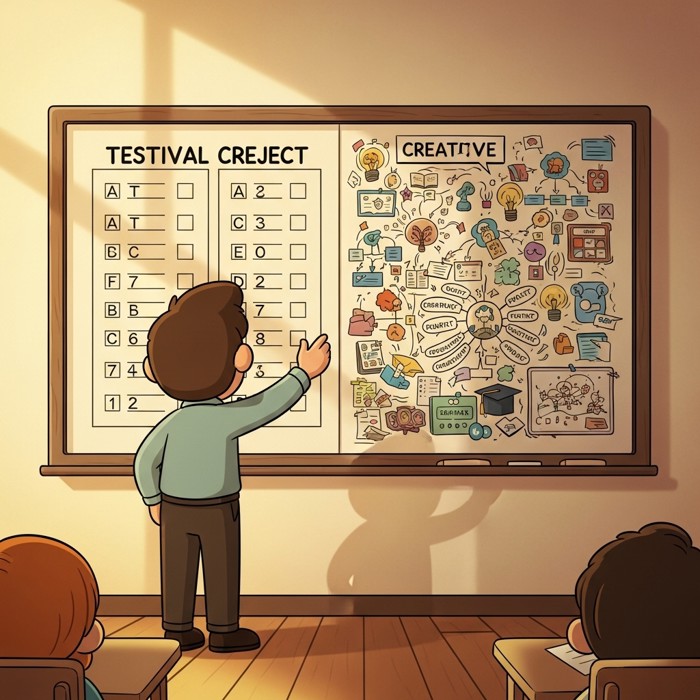
Some educators argue that exams measure only a narrow range of skills and ignore creativity and critical thinking.
Fortunately, many schools are now experimenting with new ways to assess students beyond traditional exams.
Exams will remain part of education, but how we use them must change.
Key Vocabulary
 Anxious (adj) Feeling or showing worry, nervousness, or unease about something with an uncertain outcome.UK: ˈæŋkʃəsUS: ˈæŋkʃəsLearn more
 Assess (v) Evaluate or estimate the nature, ability, or quality of.UK: əˈsesUS: əˈsesLearn more
 Confidence (n) The feeling or belief that one can have faith in or rely on someone or something.UK: ˈkɒnfɪdənsUS: ˈkɑːnfɪdənsLearn more
 Decisions (n) A conclusion or resolution reached after consideration.UK: dɪˈsɪʒənzUS: dɪˈsɪʒənzLearn more
 Determine (v) Cause (something) to occur in a particular way or to have a particular nature.UK: dɪˈtɜːmɪnUS: dɪˈtɜːrmɪnLearn more
 Educators (n) People who teach or train others, especially in schools, colleges, or universitiesUK: /ˌedʒuˈkeɪtəz/US: /ˈedʒuˌkeɪtərz/Learn more
 Entrance (n) An opening, such as a door, passage, or gate, that allows access to a place.UK: ˈentrənsUS: ˈentrənsLearn more
 Expectations (n) Strong beliefs about how something will happen or what someone will achieveUK: /ˌekspekˈteɪʃənz/US: /ˌekspekˈteɪʃənz/Learn more
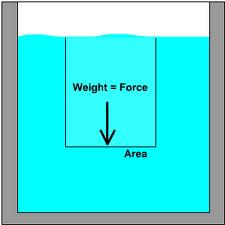 Pressure (n) Continuous physical force exerted on or against an object by something in contact with it.UK: ˈpreʃə(r)US: ˈpreʃərLearn more
 Standardised (adj) Made to conform to a standard, especially to ensure consistency and qualityUK: /ˈstændədaɪzd/US: /ˈstændərdaɪzd/Learn more

Practice This Story
Continue learning with Ettip's stories and vocabulary challenges.
More English Stories About Education

How Good Teachers Change Learning
A great teacher can change the way a student sees the world. Good teachers do more than share facts - they help students grow as people. They make lessons interesting so that students want to learn mo...

Why Students Need Clear Goals
Many students spend hours studying but still feel lost. Without clear goals, hard work often leads nowhere. A clear goal tells you exactly what you want to achieve and when you want to achieve it. Goa...

A Day in a Modern Classroom
Today's classrooms look nothing like they did twenty years ago. Modern technology has completely changed the way students learn and teachers teach. Students now use tablets and laptops instead of heav...

Five Study Habits That Actually Work
Many students study for hours but still do not get good results. The problem is not how much you study, but how you study. Five simple habits can make a real difference in your learning. The first hab...

How Online Lessons Help Busy Learners
Many people feel they never have enough time to learn something new. Online lessons have changed that completely. Today, anyone with a phone or computer can study at any time of day. You do not need t...

How Reading Builds Better Thinking
Reading is one of the most powerful tools for building a better mind. Many people do not realise how much their thinking improves every time they open a book. When you read, your brain works hard to u...

The Role of Mistakes in Learning
Many people feel ashamed when they make a mistake. However, mistakes are actually one of the most powerful tools for learning. When you make an error, your brain works harder to understand what went w...

What Makes a School Feel Safe?
Many students say they learn best when they feel safe at school. Safety is not only about locked doors or security cameras. A safe school starts with teachers who listen and care about their students....

When Homework Helps and When It Hurts
Many students spend hours every night doing homework, but does all that work actually help them learn? Homework has been a part of school life for generations, yet experts still disagree about its val...

Why Questions Improve Every Class
Most students remember the classes where they asked the most questions. Questions make learning more active and more meaningful for everyone. When a student asks a question, they show that they are th...