
How Reading Builds Better Thinking
- English level
- Level 2
- Topic
- Education
- Estimated reading time
- 2 mins

Reading is one of the most powerful tools for building a better mind.
Many people do not realise how much their thinking improves every time they open a book.
When you read, your brain works hard to understand new ideas and connect them to things you already know.
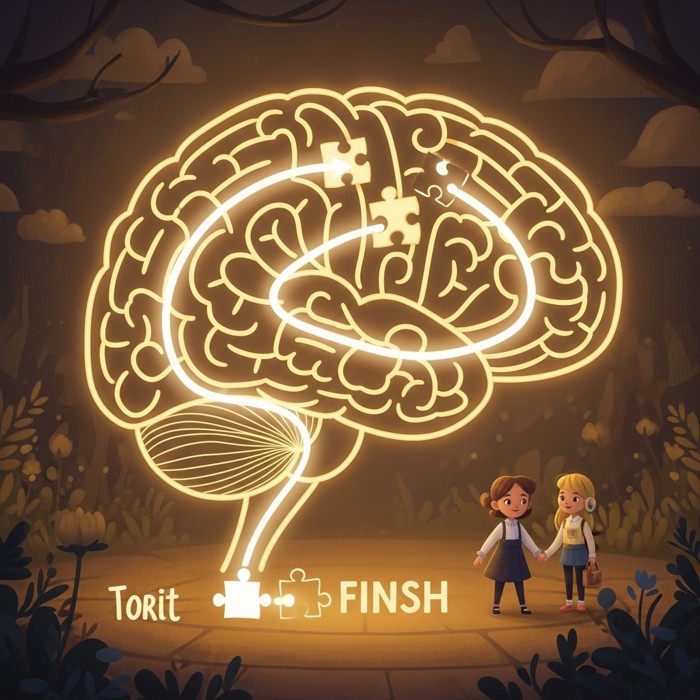
This process strengthens your ability to think clearly and solve problems.
Regular reading also builds a rich vocabulary, which helps you express your thoughts more precisely.
A larger vocabulary gives you more tools to understand and discuss complex topics.
Reading fiction is especially useful because it lets you experience the world through other people's eyes.

This builds empathy and helps you understand different perspectives.
Non-fiction books and articles teach you facts, arguments, and ways of thinking about real-world issues.
As you read more, you learn to question ideas and evaluate evidence carefully.
This skill is called critical thinking, and it is essential in today's world.
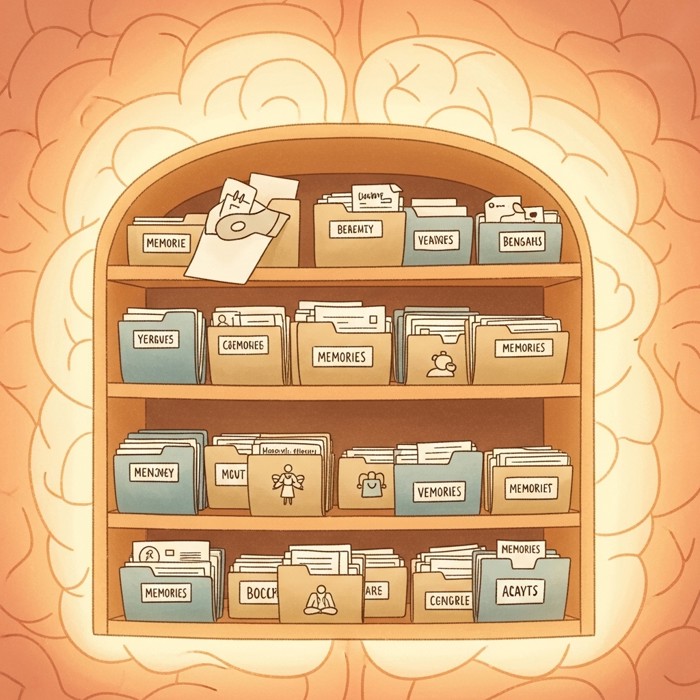
Over time, readers often find it easier to remember information and organise their thoughts.
Writing improves too, because reading exposes you to clear and effective sentence structures.
If you want to become a better thinker, the simplest advice is to read every day.
Key Vocabulary
 Complex (adj) Consisting of many different and connected parts.UK: ˈkɒmpleksUS: kəmˈpleksLearn more
 Critical (adj) Expressing adverse or disapproving comments or judgements.UK: ˈkrɪtɪklUS: ˈkrɪtɪklLearn more
 Evaluate (v) Form an idea of the amount, number, or value of; assess.UK: ɪˈvæljueɪtUS: ɪˈvæljueɪtLearn more
 Evidence (n) The available body of facts or information indicating whether a belief or proposition is true or valid.UK: ˈevɪdənsUS: ˈevɪdənsLearn more
 Fiction (n) Literature in the form of prose, especially novels, that describes imaginary events and people.UK: ˈfɪkʃnUS: ˈfɪkʃnLearn more
 Perspectives (n) Ways of looking at or thinking about something, often influenced by one's experiences or beliefsUK: /pəˈspektɪvz/US: /pərˈspektɪvz/Learn more
 Vocabulary (n) The body of words used in a particular language.UK: vəˈkæbjələriUS: vəˈkæbjəleriLearn more

Practice This Story
Continue learning with Ettip's stories and vocabulary challenges.
More English Stories About Education

How Good Teachers Change Learning
A great teacher can change the way a student sees the world. Good teachers do more than share facts - they help students grow as people. They make lessons interesting so that students want to learn mo...

Why Students Need Clear Goals
Many students spend hours studying but still feel lost. Without clear goals, hard work often leads nowhere. A clear goal tells you exactly what you want to achieve and when you want to achieve it. Goa...

A Day in a Modern Classroom
Today's classrooms look nothing like they did twenty years ago. Modern technology has completely changed the way students learn and teachers teach. Students now use tablets and laptops instead of heav...

Five Study Habits That Actually Work
Many students study for hours but still do not get good results. The problem is not how much you study, but how you study. Five simple habits can make a real difference in your learning. The first hab...

How Online Lessons Help Busy Learners
Many people feel they never have enough time to learn something new. Online lessons have changed that completely. Today, anyone with a phone or computer can study at any time of day. You do not need t...

The Role of Mistakes in Learning
Many people feel ashamed when they make a mistake. However, mistakes are actually one of the most powerful tools for learning. When you make an error, your brain works harder to understand what went w...

What Makes a School Feel Safe?
Many students say they learn best when they feel safe at school. Safety is not only about locked doors or security cameras. A safe school starts with teachers who listen and care about their students....

When Homework Helps and When It Hurts
Many students spend hours every night doing homework, but does all that work actually help them learn? Homework has been a part of school life for generations, yet experts still disagree about its val...

Why Questions Improve Every Class
Most students remember the classes where they asked the most questions. Questions make learning more active and more meaningful for everyone. When a student asks a question, they show that they are th...
How Exams Shape Student Choices
Every year, millions of students make life-changing decisions based on exam results. These results can shape which subjects students study, which universities they attend, and which careers they choos...