
How to Read a Menu Without Ordering Blindly
- English level
- Level 3
- Topic
- Food
- Estimated reading time
- 3 mins
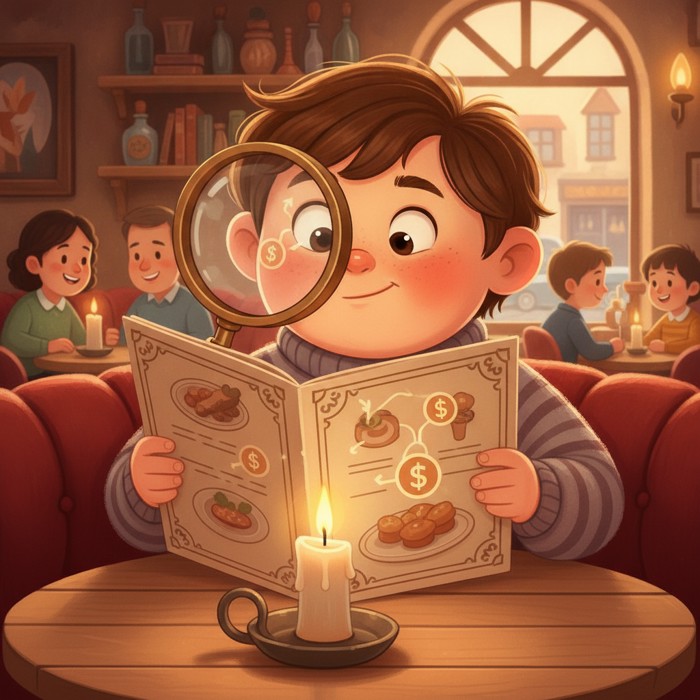
A menu is not a neutral list of food; It is a carefully engineered piece of persuasion, written by people who know exactly where your eye will land.
Learn to read it properly, and you will order what you actually want rather than what the restaurant most wants to sell.
Start with the layout, because designers treat the upper-right corner as prime real estate and reserve it for high-margin dishes.
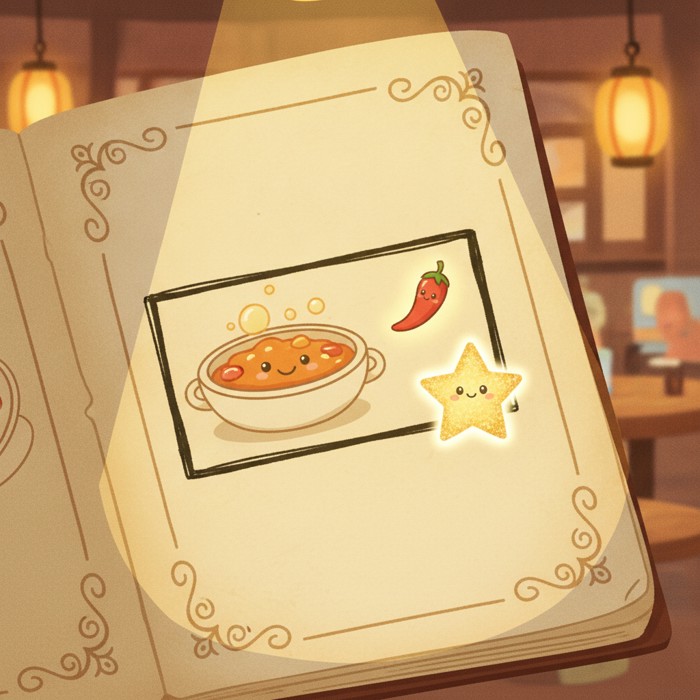
Anything boxed, [bolded], or garnished with a small icon has been deliberately flagged for your attention, not necessarily for your pleasure.
Prices are staged too: the eye-wateringly expensive dish nobody orders makes the second-priciest option feel almost thrifty, while a bare number without a currency symbol reads less like spending.
Once you have seen through the design, turn to the language, which is where the genuinely useful information hides.
Cooking verbs are reliable: braised means slow, tender and rich, while seared, grilled, or charred promises a firmer bite and a smoky edge.
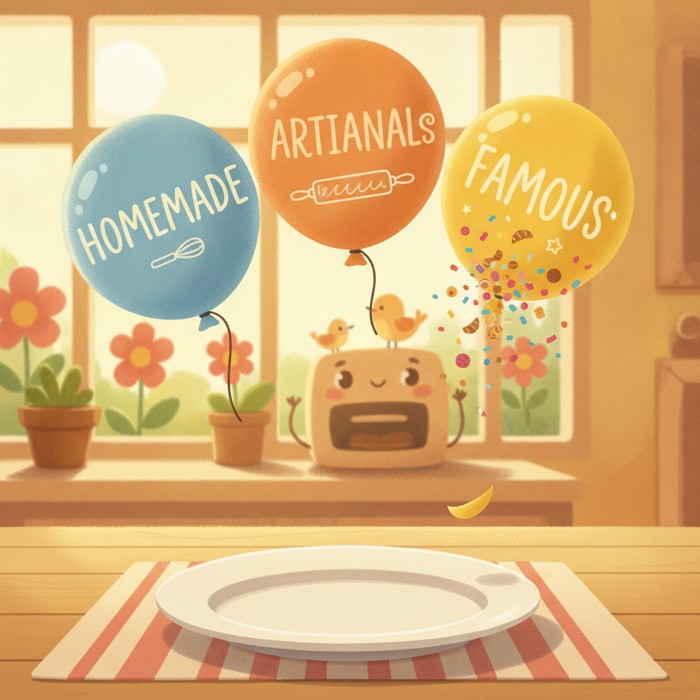
Vague adjectives, by contrast, tell you nothing at all, because homemade, artisanal, and famous are marketing rather than description.
Count the ingredients listed in each dish, because three or four suggest confidence whereas a dozen often signals a kitchen hedging its bets.
The house speciality, oddly enough, tends to sit [unglamorously] mid-list or on a chalkboard, where the designer never bothered to dress it up.
When something remains ambiguous, ask one specific question rather than a general one: how is it cooked, or how large is the portion.
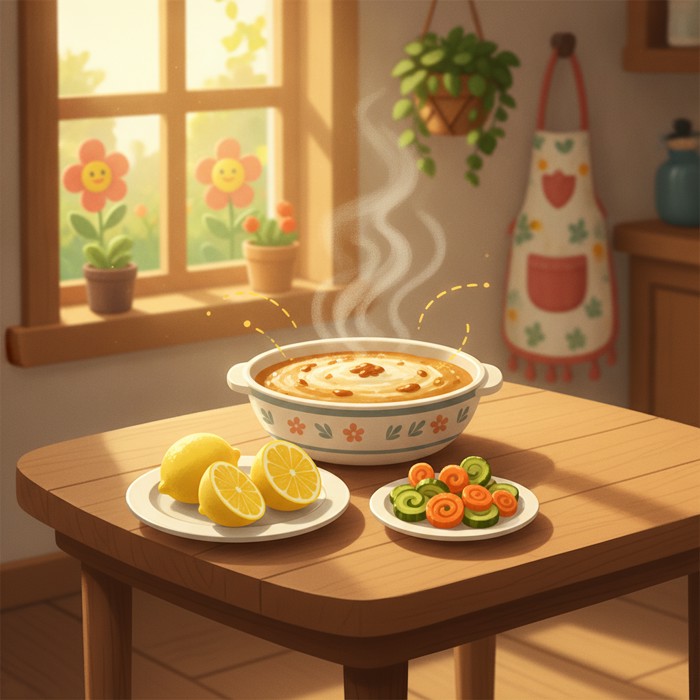
Finally, order across contrasts, pairing something rich with something sharp or acidic, so the meal builds instead of repeating itself.
Reading a menu well is a small literacy, and like any literacy, it quietly widens what is available to you.
The kitchen is still doing the cooking; You are simply no longer ordering with your eyes shut.
Key Vocabulary
 Acidic (adj) Having the properties of an acid, or having a ph value less than 7UK: /ˈæsɪdɪk/US: /əˈsɪdɪk/Learn more
 Ambiguous (adj) Open to more than one interpretation; not having one obvious meaning.UK: æmˈbɪɡjuəsUS: æmˈbɪɡjuəsLearn more
 Artisanal (adj) Made in a traditional or non-mechanized way, often indicating high qualityUK: /ˌɑːtɪˈzænəl/US: /ˌɑːrtɪˈzɑːnəl/Learn more
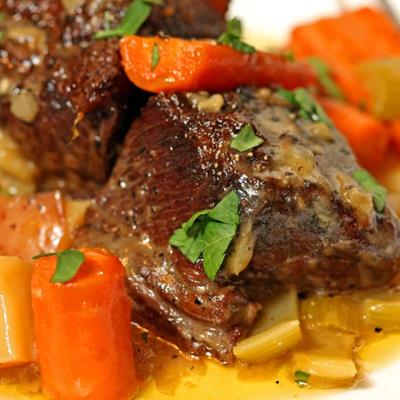 Braised (v) (of food) fried lightly and then stewed slowly in a closed container.UK: breɪzUS: breɪzLearn more
 Charred (adj) Describes something that has been burned and turned black on the surfaceUK: /tʃɑːd/US: /tʃɑːrd/Learn more
 Designer (n) A person who plans the look or workings of something prior to it being made, by preparing drawings or plans.UK: dɪˈzaɪnə(r)US: dɪˈzaɪnərLearn more
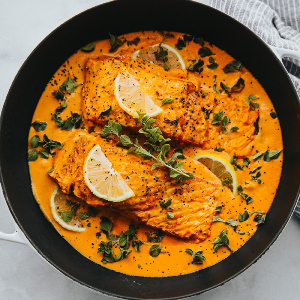 Dish (n) A shallow, flat-bottomed container for cooking or serving food.UK: dɪʃUS: dɪʃLearn more
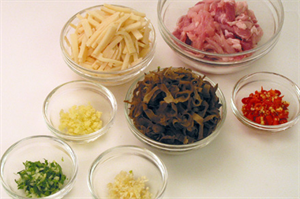 Ingredient (n) Any of the foods or substances that are combined to make a particular dish.UK: ɪnˈɡriːdiəntUS: ɪnˈɡriːdiəntLearn more
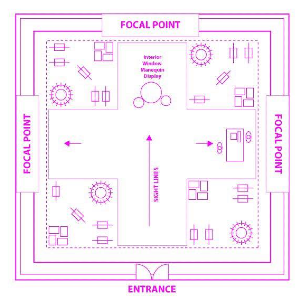 Layout (n) The way in which the parts of something are arranged or laid out.UK: ˈleɪaʊtUS: ˈleɪaʊtLearn more
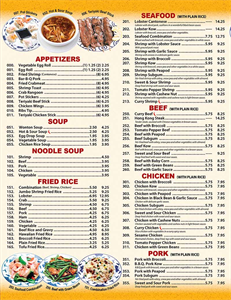 Menu (n) A list of dishes available in a restaurant.UK: ˈmenjuːUS: ˈmenjuːLearn more
 Persuasion (n) The action or process of persuading someone or of being persuaded to do or believe something.UK: pəˈsweɪʒnUS: pərˈsweɪʒnLearn more

Practice This Story
Continue learning with Ettip's stories and vocabulary challenges.
More English Stories About Food

Five Foods for Every Day
Do you eat well every day? Good food gives you energy and health. Rice is a great food for every meal. Eggs are easy to cook and very good for you. Bananas are sweet and full of energy. Carrots are or...
What Is in Your Lunch?
Do you know what is in your lunch? Lunch is a meal you eat in the middle of the day. Many people eat bread for lunch. Some people eat rice. Rice gives you energy. Bread gives you energy too. Vegetable...
A Busy Day at a Cafe
A cafe is a busy place. People go there to eat and drink. The workers come in very early. They make hot drinks. They put food on the tables. The first customers arrive at eight. They order coffee and...
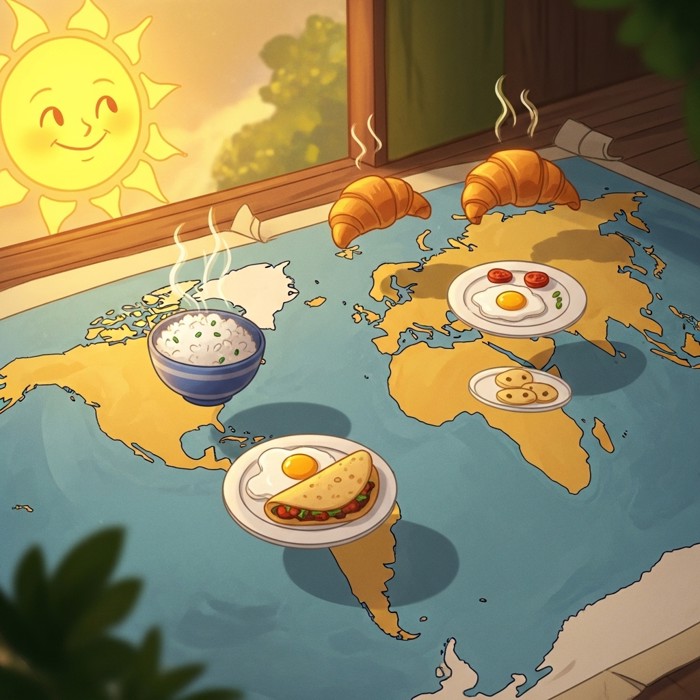
Breakfast Around the World
Do you eat the same breakfast every day? People around the world eat very different breakfasts. In Japan, people eat rice in the morning. They also eat fish and warm soup. In China, people eat dumplin...
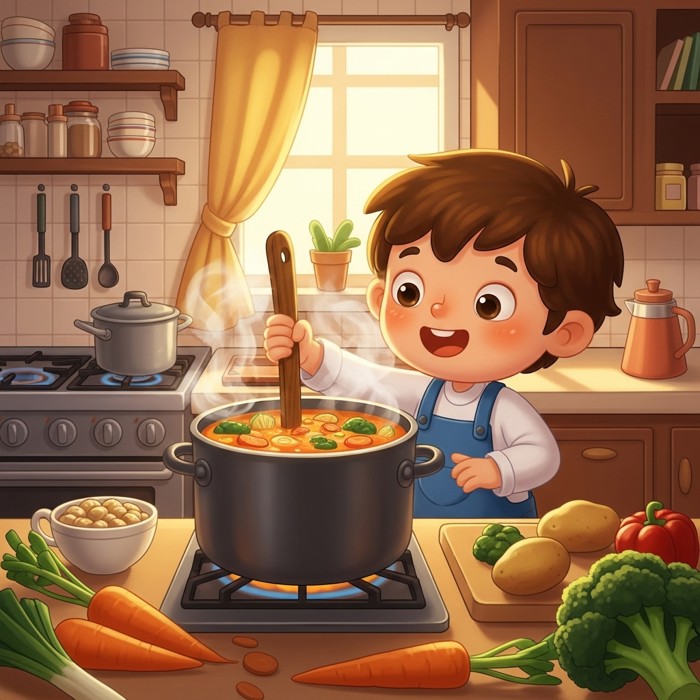
How to Make Soup
Soup is one of the best foods in the world. It is easy to make at home. First, get a big pot. Put water in the pot. Add some vegetables. You can use carrots, onions, and tomatoes. Put the pot on the s...

A Cake for My Friend
Birthdays are the best days! I want to make a cake for my friend. I get flour, sugar, eggs, and butter. I put them in a big bowl. I mix them together. The mix looks smooth and thick. I put the mix in...
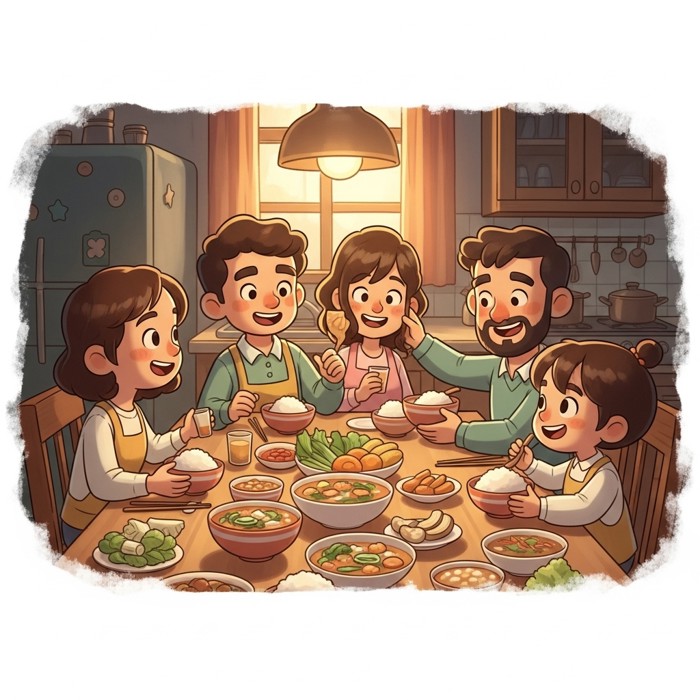
Dinner With My Family
Dinner is my favourite time of day. My family eats together every night. We sit at the big table. Mum puts food on the table. There is rice, soup, and vegetables. Dad loves the soup. My sister eats a...
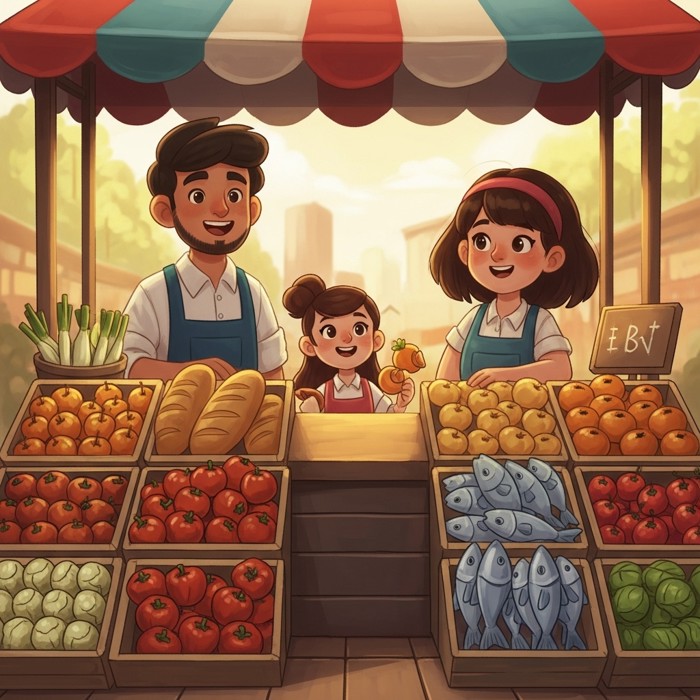
Food at a Market
Do you love food? A market is a great place to buy it. Markets have lots of fresh fruit. You can see red apples and yellow bananas. Green vegetables are there too. Some markets sell fresh fish. The fi...
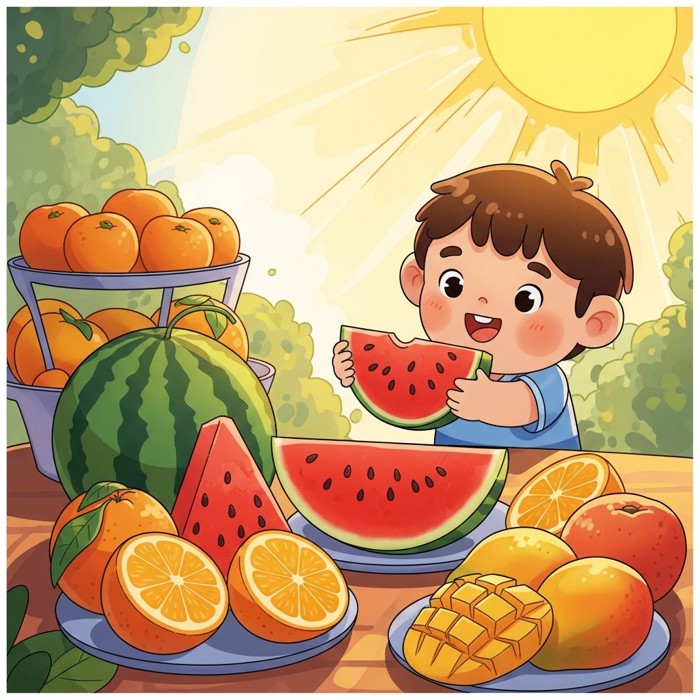
Fruit for a Hot Day
Hot days make you thirsty. Fruit can help you feel cool. Watermelon has a lot of water inside. You can eat it on a hot day. Oranges are also full of water. They taste sweet and fresh. Mango is a yello...
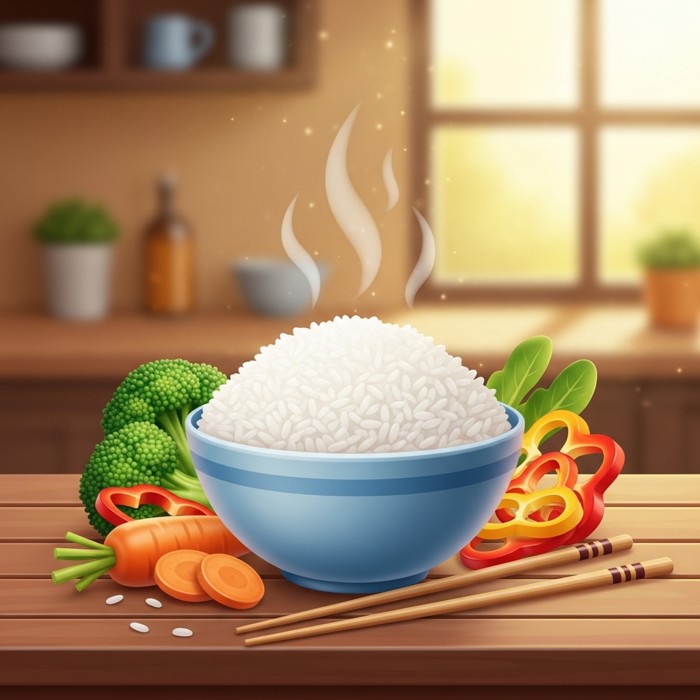
Why People Like Rice
More than half the world eats rice every day! Rice is a popular food everywhere. Rice is easy to cook. You can add water and heat it. Rice tastes good with meat and vegetables. It is also good with fi...