
Why Some Cuisines Rely Heavily on Fermentation
- English level
- Level 3
- Topic
- Food
- Estimated reading time
- 3 mins
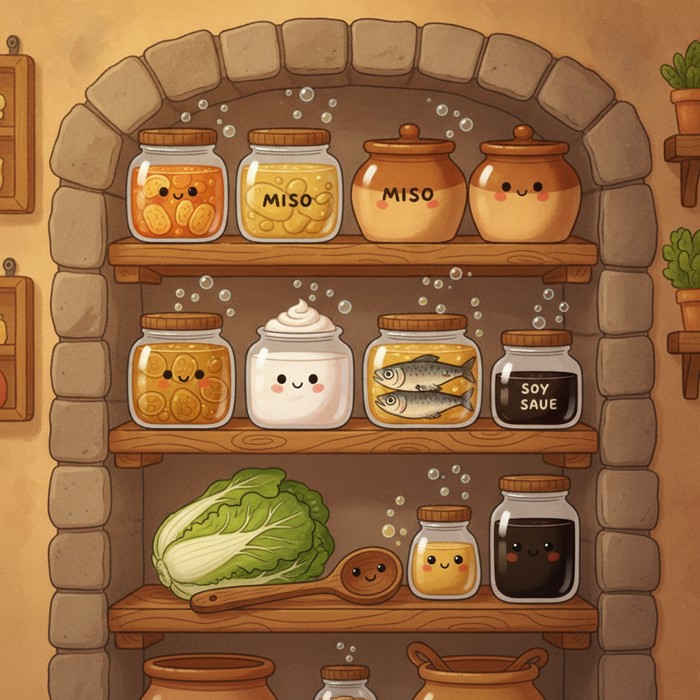
Long before anyone owned a refrigerator, cooks discovered that the surest way to save food from rotting was to let it rot on purpose, carefully.
That paradox explains why fermentation sits at the heart of so many of the world's most distinctive cuisines.
Fermentation is simply controlled decay: bacteria and yeasts consume sugars and leave behind acids, alcohol, and carbon dioxide.
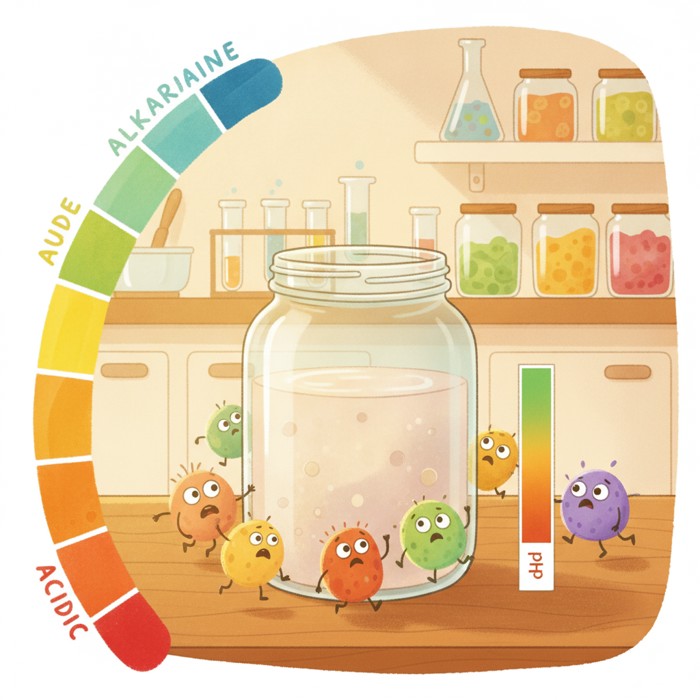
Those by-products lower the pH enough to make the food inhospitable to the microbes that would otherwise spoil it.
Geography did much of the deciding, since cultures facing long winters or humid summers needed preservation more urgently than others.
Korea buried cabbage in earthenware jars to survive months when nothing green would grow, and [kimchi] became a national institution.
In [Japan], the mould [koji] transforms rice into the foundation of [miso], soy sauce, and [sake] - a single organism underwriting an entire flavour vocabulary.
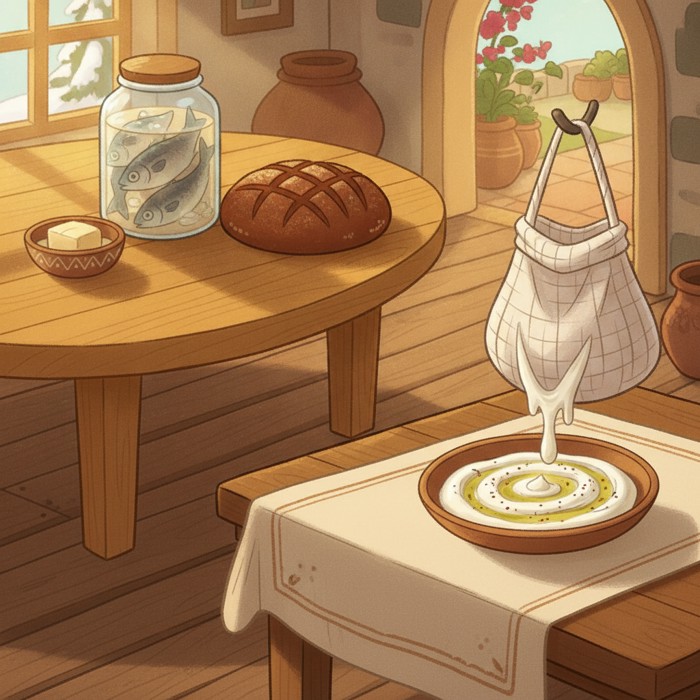
Northern Europe leaned on lactic acid and salt for herring and rye bread; The Levant turned milk into yoghurt and [labneh] that keep without cooling.
Preservation, however, was never the only reward: fermentation manufactures glutamates and free amino acids - in short, umami, the savoury depth that makes fish sauce indispensable in Southeast Asian kitchens.
It also does some of [digestion's] work in advance, breaking down lactose, hard-to-absorb plant compounds, and tough fibres before the food reaches the table.
Communities that fermented widely tended to eat better on thinner harvests, an advantage that quietly favoured the habit.

Taste, meanwhile, is learned; What strikes an outsider as pungent registers to a local as home.
Every jar of [kimchi] or bowl of [miso] is a piece of inherited engineering, worked out by cooks who had no microscope and no word for bacteria.
Perhaps the most remarkable thing is how appetising their invisible collaborators turned out to be.
Key Vocabulary
 Decay (n) (of organic matter) rot or decompose through the action of bacteria and fungi.UK: dɪˈkeɪUS: dɪˈkeɪLearn more
 Glutamates (n) These are salts or esters of glutamic acid, widely used as flavor enhancers in foodUK: /ˈɡluːtəmeɪts/US: /ˈɡluːtəmeɪts/Learn more
 Microbes (n) Extremely small living things, often bacteria, that can only be seen with a microscopeUK: /ˈmaɪkrəʊb/US: /ˈmaɪkroʊb/Learn more
 Paradox (n) A statement or situation that seems illogical or contradictory but may in fact be trueUK: /ˈpærədɒks/US: /ˈpærədɑːks/Learn more
 Preservation (n) The action of preserving something.UK: ˌprezəˈveɪʃnUS: ˌprezərˈveɪʃnLearn more
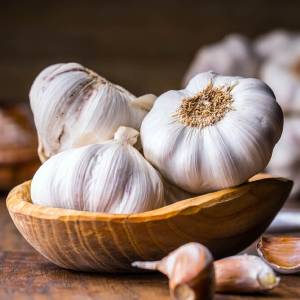 Pungent (adj) Having a sharply strong taste or smell.UK: ˈpʌndʒəntUS: ˈpʌndʒəntLearn more
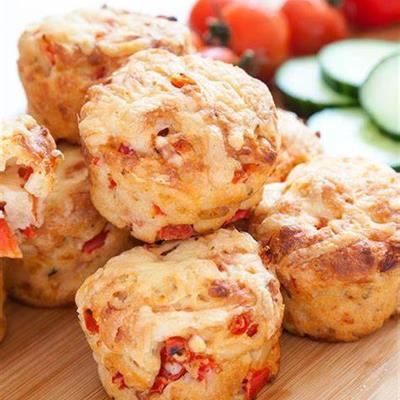 Savoury (adj) (of food) belonging to the category that is salty or spicy rather than sweet.UK: ˈseɪvəriUS: ˈseɪvəriLearn more
 Spoil (n) Diminish or destroy the value or quality of.UK: spɔɪlUS: spɔɪlLearn more
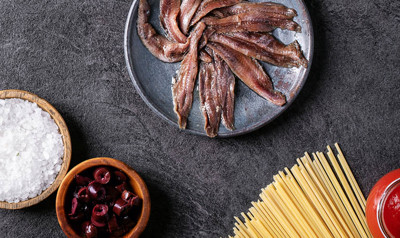 Umami (n) A savory taste, often described as meaty or brothy, that is one of the five basic tastesUK: /uːˈmɑːmi/US: /uːˈmɑːmi/Learn more

Practice This Story
Continue learning with Ettip's stories and vocabulary challenges.
More English Stories About Food
Five Foods for Every Day
Do you eat well every day? Good food gives you energy and health. Rice is a great food for every meal. Eggs are easy to cook and very good for you. Bananas are sweet and full of energy. Carrots are or...
What Is in Your Lunch?
Do you know what is in your lunch? Lunch is a meal you eat in the middle of the day. Many people eat bread for lunch. Some people eat rice. Rice gives you energy. Bread gives you energy too. Vegetable...
A Busy Day at a Cafe
A cafe is a busy place. People go there to eat and drink. The workers come in very early. They make hot drinks. They put food on the tables. The first customers arrive at eight. They order coffee and...
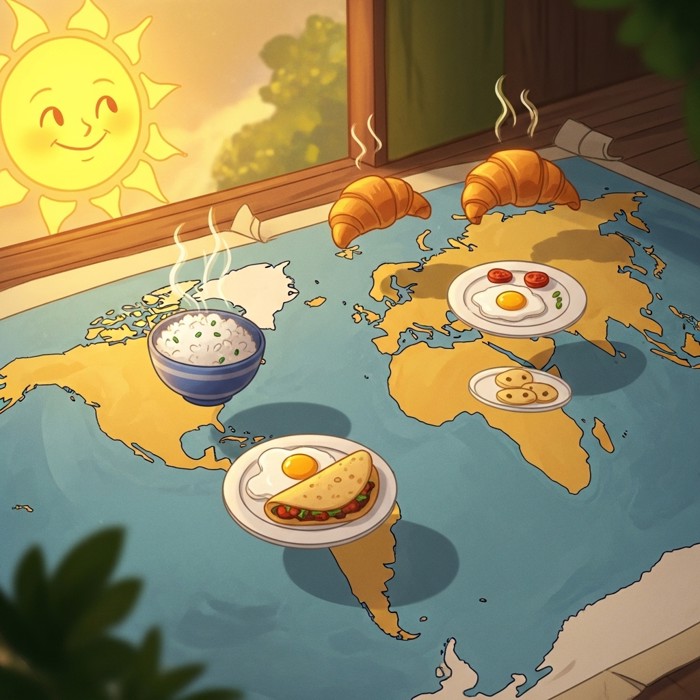
Breakfast Around the World
Do you eat the same breakfast every day? People around the world eat very different breakfasts. In Japan, people eat rice in the morning. They also eat fish and warm soup. In China, people eat dumplin...
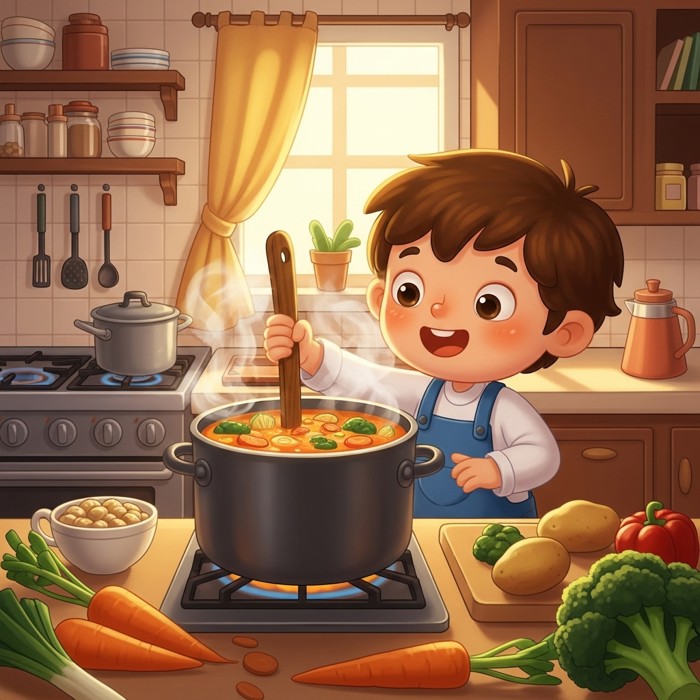
How to Make Soup
Soup is one of the best foods in the world. It is easy to make at home. First, get a big pot. Put water in the pot. Add some vegetables. You can use carrots, onions, and tomatoes. Put the pot on the s...

A Cake for My Friend
Birthdays are the best days! I want to make a cake for my friend. I get flour, sugar, eggs, and butter. I put them in a big bowl. I mix them together. The mix looks smooth and thick. I put the mix in...
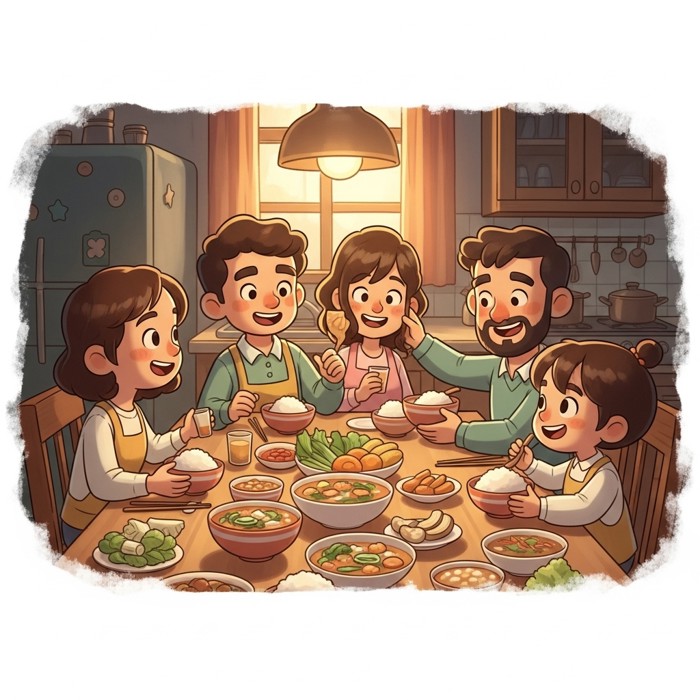
Dinner With My Family
Dinner is my favourite time of day. My family eats together every night. We sit at the big table. Mum puts food on the table. There is rice, soup, and vegetables. Dad loves the soup. My sister eats a...
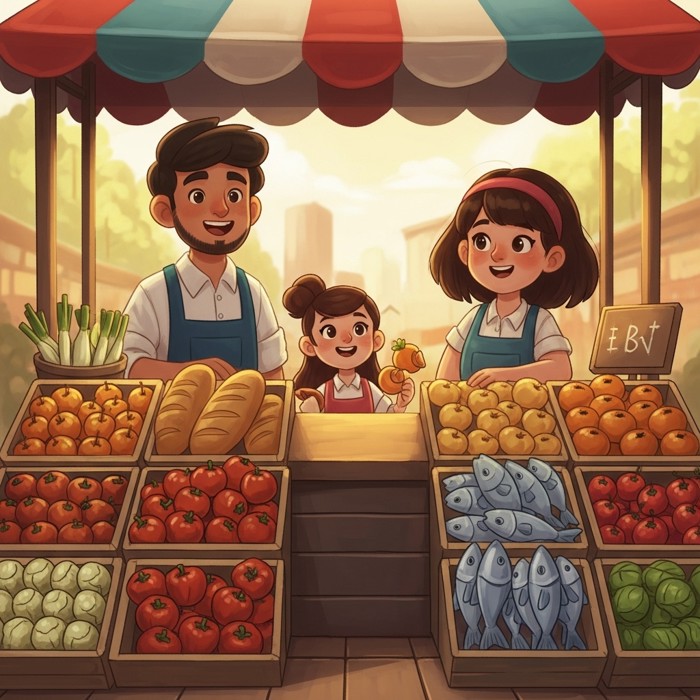
Food at a Market
Do you love food? A market is a great place to buy it. Markets have lots of fresh fruit. You can see red apples and yellow bananas. Green vegetables are there too. Some markets sell fresh fish. The fi...
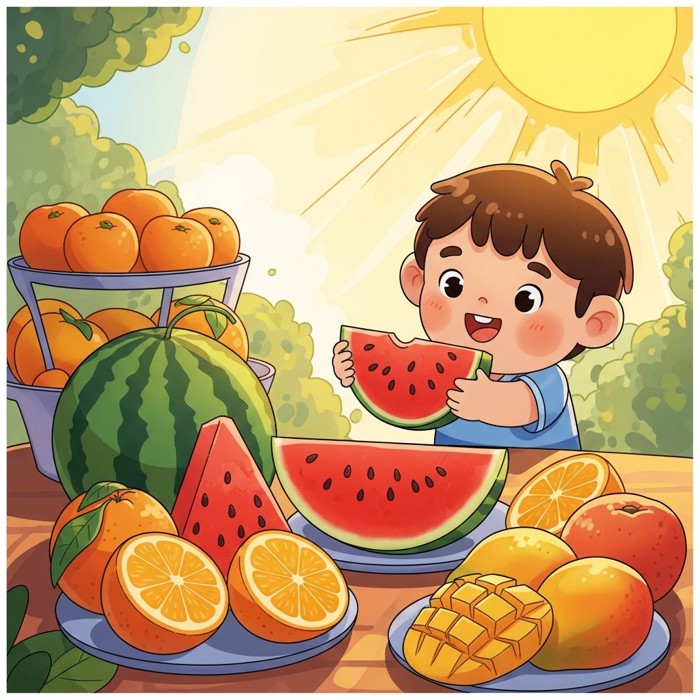
Fruit for a Hot Day
Hot days make you thirsty. Fruit can help you feel cool. Watermelon has a lot of water inside. You can eat it on a hot day. Oranges are also full of water. They taste sweet and fresh. Mango is a yello...
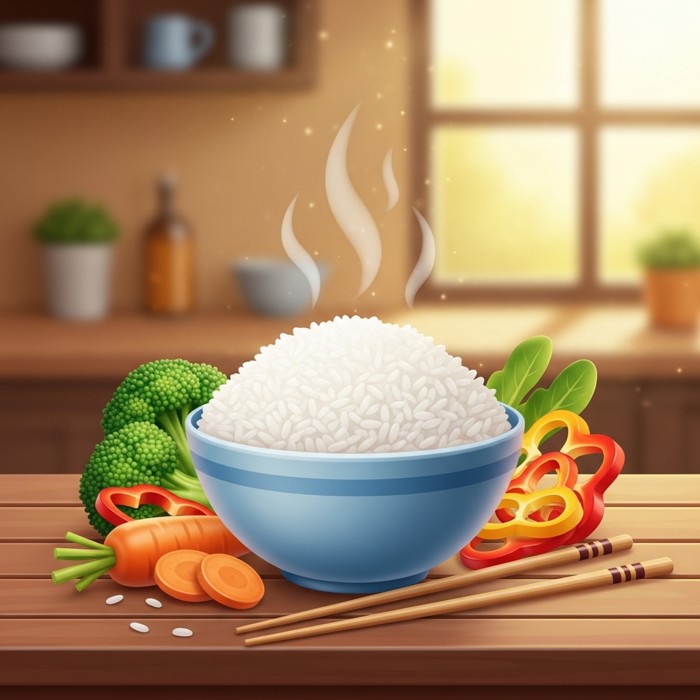
Why People Like Rice
More than half the world eats rice every day! Rice is a popular food everywhere. Rice is easy to cook. You can add water and heat it. Rice tastes good with meat and vegetables. It is also good with fi...