
Stories about Numbers & Time
Numbers & Time is a topic that helps learners practice numbers, telling the time, dates, and periods of time. These are essential vocabulary and skills for everyday communication.
Explore Numbers & Time vocabulary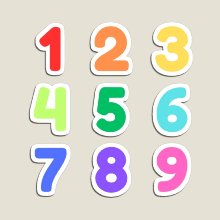
Stories about Numbers & Time
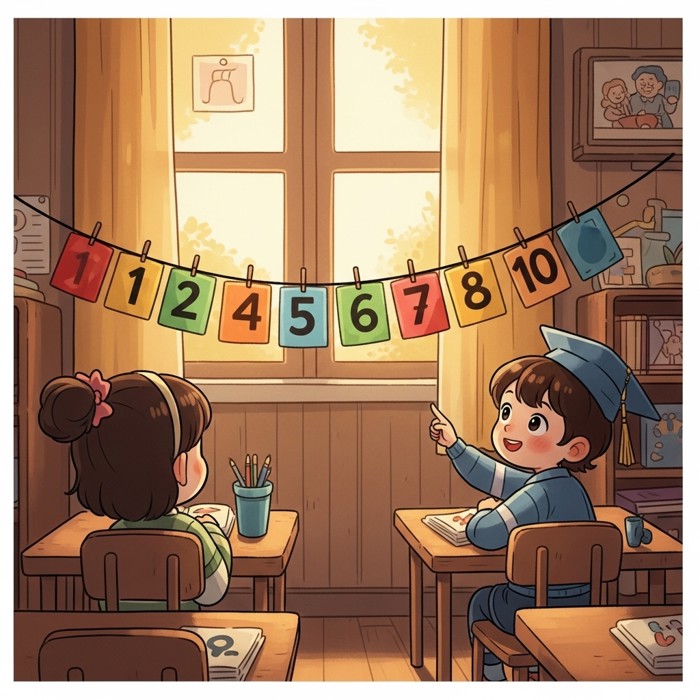
Counting from One to Ten
Can you count to ten? Numbers from one to ten are easy to learn. One comes first. Two comes after one. Three, four, and five come next. Six comes after five. Seven, eight, and nine follow six. Ten is...
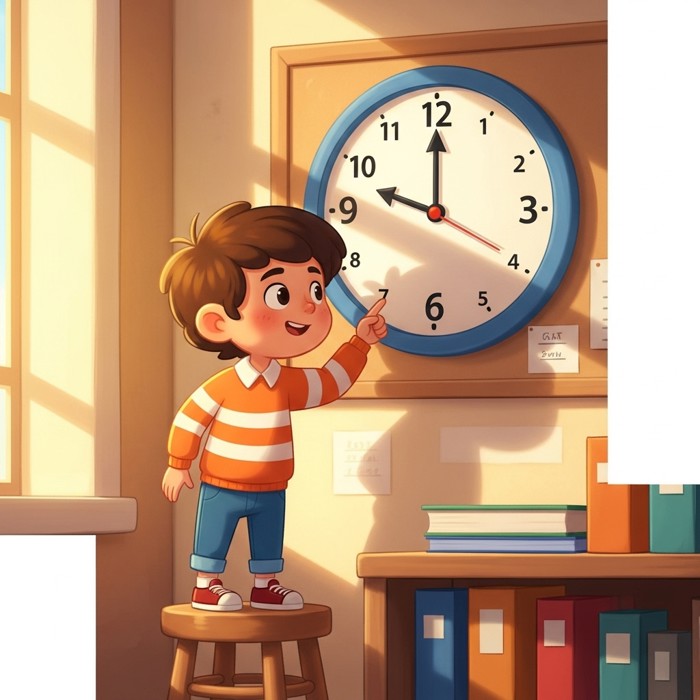
How to Tell Time
Do you know how to read a clock? A clock helps us tell the time. Most clocks have two hands. The short hand shows the hour. The long hand shows the minutes. A clock face has twelve numbers. The number...
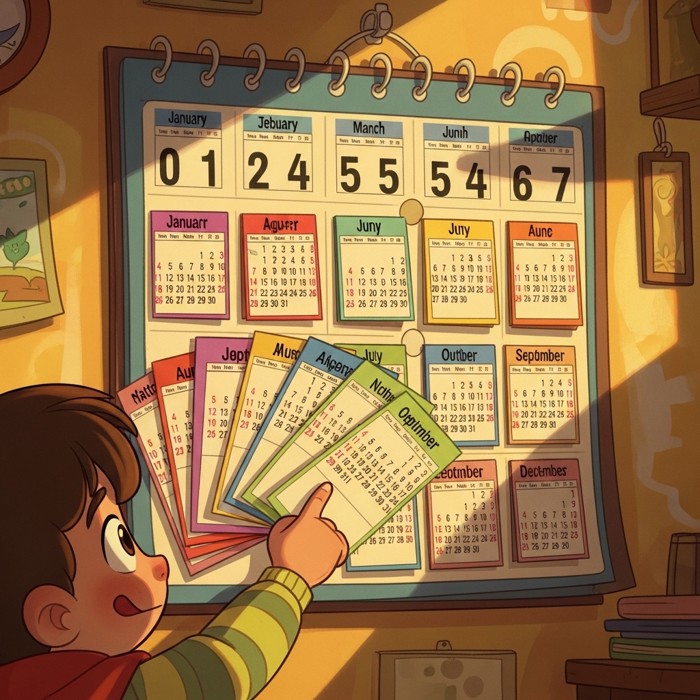
Months of the Year
Do you know all twelve months of the year? A year has twelve months. January is the first month. February comes next, and it is short. March brings warmer spring weather. April and May are also spring...
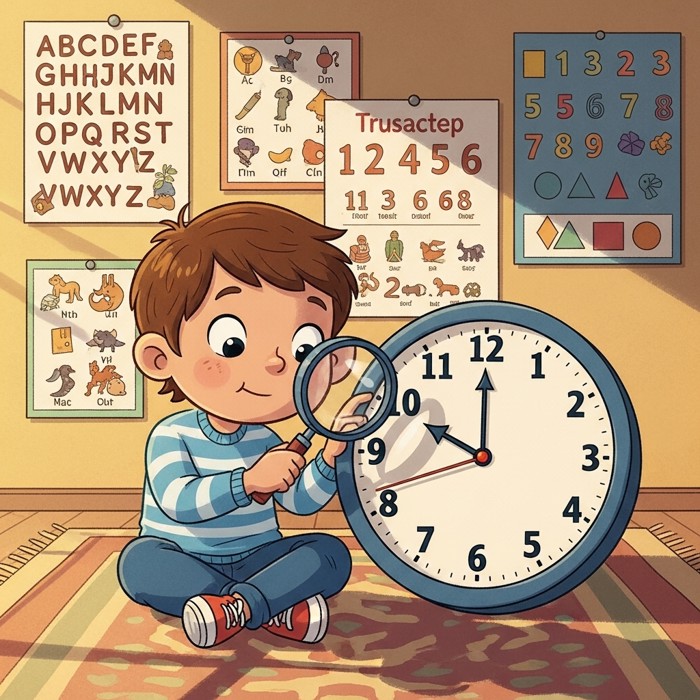
Telling Time on a Clock
A clock can look tricky at first. But telling time is not hard to learn. Look at the short hand for the hour. Look at the long hand for the minutes. Small marks around the clock count minutes. Each bi...
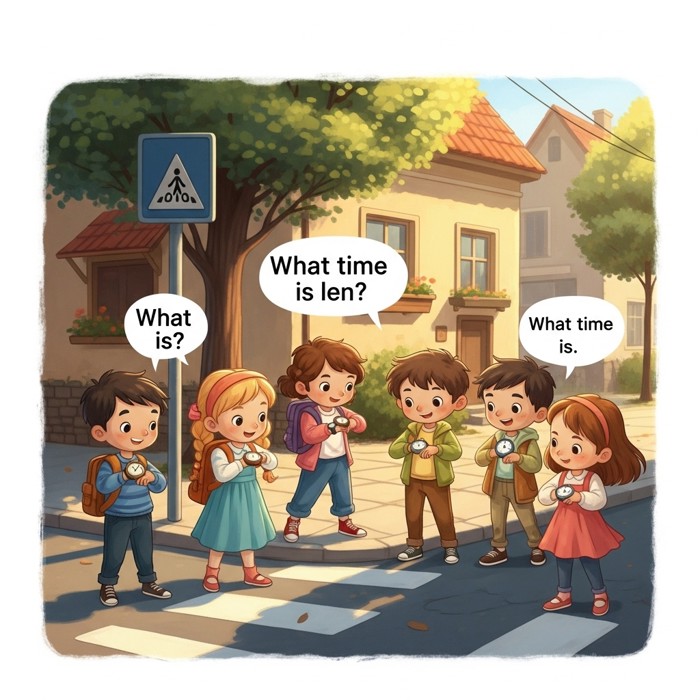
What Time Is It Now
Have you ever asked what time it is? People ask this question every day. You look at a clock to find out. The clock shows the hour and the minutes. Sometimes it is nine [o'clock]. Sometimes it is half...
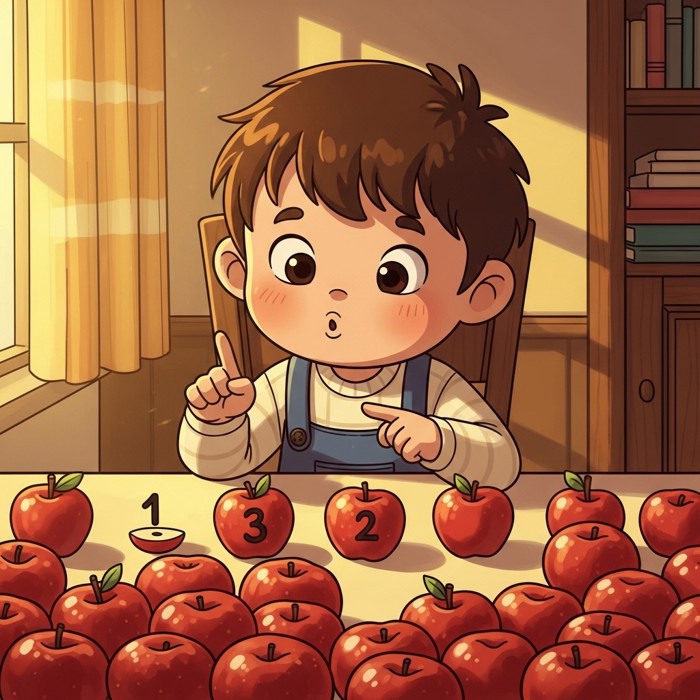
How Many Are There
How many apples are on the table? We ask how many to count things. Look at the group of objects. Count each one out loud. One, two, three, and so on. Stop when you reach the last object. That last num...

How to Count Money
Do you know how to count your money? Money comes in coins and paper bills. A penny is worth one cent. A nickel is worth five cents. A dime is worth ten cents. A quarter is worth twenty-five cents. One...
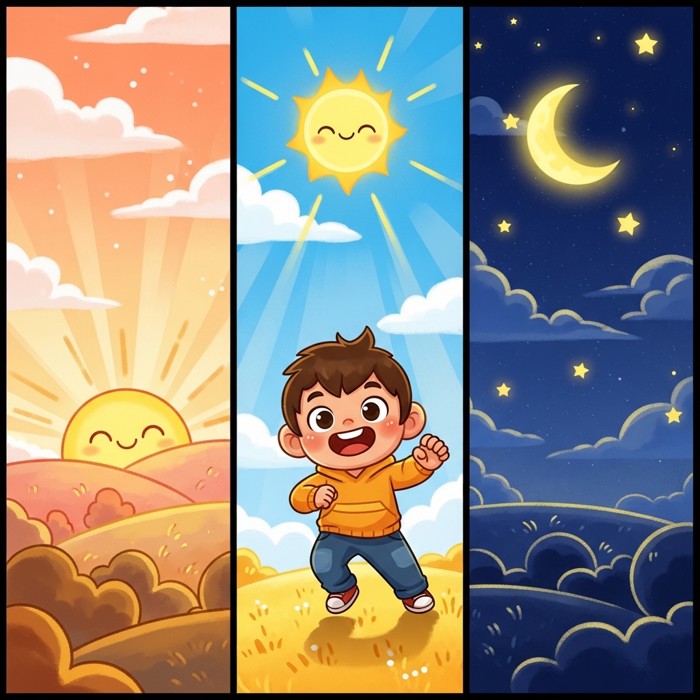
Morning Noon and Night
Every day has three special parts. They are morning, noon, and night. Morning starts when the sun rises. We eat breakfast in the morning. Noon is the middle of the day. The sun is high in the sky at n...
Numbers We Use Every Day
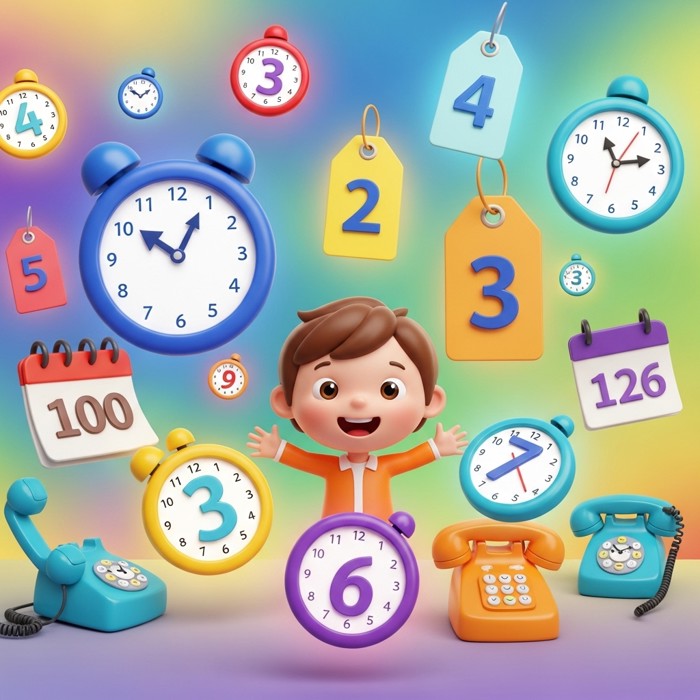
Numbers are all around us every day. We use them in many different ways. Phone numbers help us call our friends. House numbers help mail find our home. Price tags show how much things cost. Clocks use...
What Day Is Today
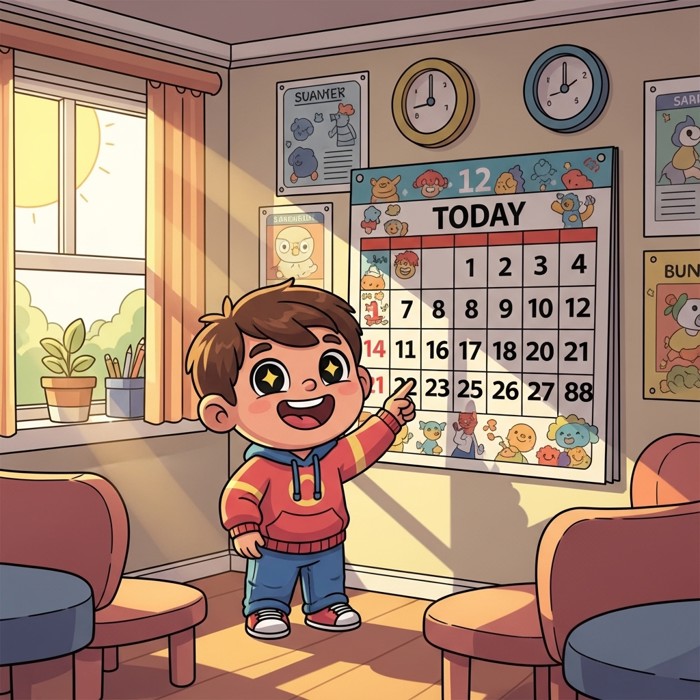
What day is it today? People ask this question all the time. A calendar can tell you the answer. Calendars show all the days in a month. Phones and computers show the day too. Some people write the da...
Counting Animals on a Farm
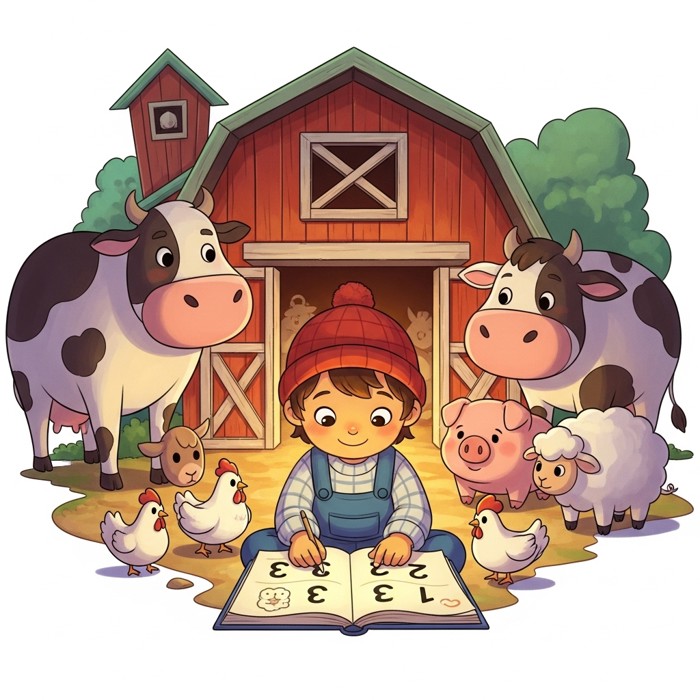
How many animals live on a farm? Farms are full of animals to count. There are five cows in the barn. There are ten chickens in the yard. Three pigs roll around in the mud. Two horses run across the f...
How Long Is a Minute
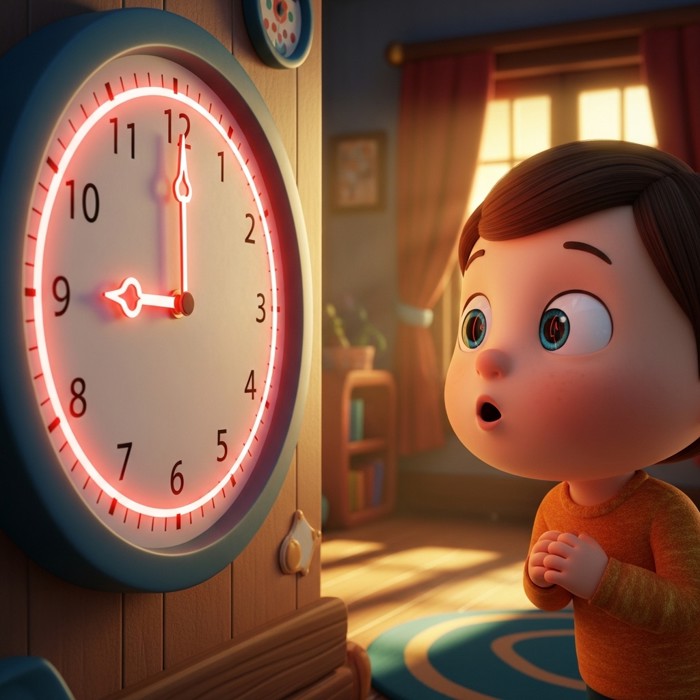
Have you ever wondered how long a minute really is? A minute has sixty seconds inside it. You can count to sixty to feel one minute. A [clock's] second hand moves once every second. It takes one full...
Story levels
- Level 1: 17 stories
Key Vocabulary
 Afternoon (n) The time from noon or lunchtime to evening.UK: ˌɑːftəˈnuːnUS: ˌæftərˈnuːnLearn more
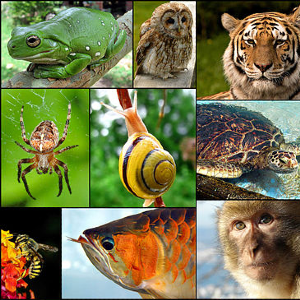 Animals (n) Living things that move, eat, and have senses, such as mammals, birds, and fishUK: ˈænɪməlzUS: ˈænəməlzLearn more
 Birthday (n) The anniversary of the day a person was born, often celebrated with gifts and partiesUK: ˈbɜːθdeɪUS: ˈbɜːrθdeɪLearn more
 Blooming (adj) Producing or having flowers, or being in the process of opening into a flowerUK: /ˈbluːmɪŋ/US: /ˈbluːmɪŋ/Learn more
 Breath (n) The air taken into or expelled from the lungs.UK: breθUS: breθLearn more
 Calendars (n) Charts or systems that show the days, weeks, and months of a specific yearUK: /ˈkælɪndəz/US: /ˈkælɪndərz/Learn more
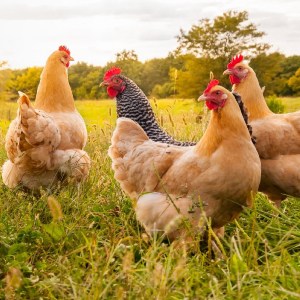 Chickens (n) A domestic fowl kept for its eggs or meat, especially a young one.UK: ˈʧɪkɪnzUS: ˈʧɪkənzLearn more
 Circle (n) A round plane figure whose boundary (the circumference) consists of points equidistant from a fixed point (the centre).UK: ˈsɜːklUS: ˈsɜːrklLearn more
 Clock (n) A device with a face and hands or a digital display that shows the timeUK: klɒkUS: klɑːkLearn more
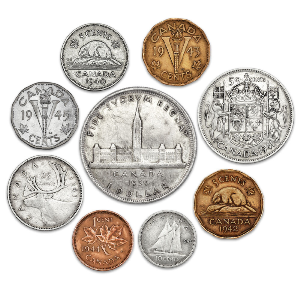 Coins (n) A flat disc or piece of metal with an official stamp, used as money.UK: kɔɪnzUS: kɔɪnzLearn more
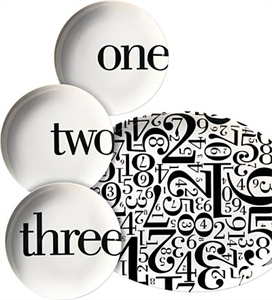 Count (v) Determine the total number of (a collection of items).UK: kaʊntUS: kaʊntLearn more
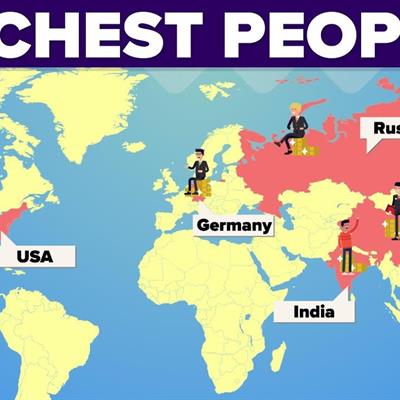 Countries (n) A nation with its own government, occupying a particular territory.UK: ˈkʌntrizUS: ˈkʌntrizLearn more
Related topics
 FoodFood is a topic that helps learners learn about different foods, dishes, drinks, and ways to describe tastes. It is a familiar and useful topic for everyday situations such as eating, cooking, and ordering food.
 TravelTravel is a topic that helps learners talk about trips, destinations, transportation, and activities while traveling. It is useful for discussing travel plans, experiences, and places they have visited.
 FamilyFamily is a topic that helps learners learn vocabulary about family members and their relationships. It is a familiar and useful topic for talking about family, relatives, and everyday life.
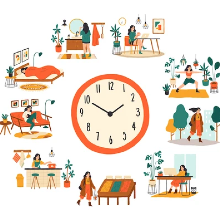 Daily RoutinesDaily Routines is a topic that helps learners talk about activities they do every day, such as waking up, having breakfast, going to school, or going to work. It is a familiar and useful topic for practicing how to describe daily schedules and everyday life.
 HomeHome is a topic that helps learners learn about rooms, household items, and activities that happen at home. It is a familiar and useful topic for describing a home, living spaces, and family life.
 Information TechnologyInformation Technology (IT) is a topic that helps learners learn about computers, the Internet, software, and digital technologies. It is useful for talking about technology, work, communication, and how we use digital devices in everyday life.
 EducationEducation is a topic that helps learners talk about schools, subjects, teachers, and learning activities. It is a familiar and useful topic for discussing study, classrooms, and educational experiences.
 Workplace EnvironmentWorkplace Environment is a topic that helps learners talk about the workplace, coworkers, company culture, and activities at work. It is useful for communicating in professional settings and describing everyday work experiences.
 AnimalsAnimals is a topic that helps learners learn about the names, characteristics, and habitats of different animals. It is an interesting and familiar topic that helps learners expand their vocabulary and describe the natural world.
 TransportationTransportation is a topic that helps learners learn about different means of transport, such as cars, motorbikes, buses, trains, and airplanes. It is useful for talking about travel, traffic, and everyday journeys.
Love reading stories?
Join Ettip to practise with fun games, track your progress, and keep learning every day.