
Moons
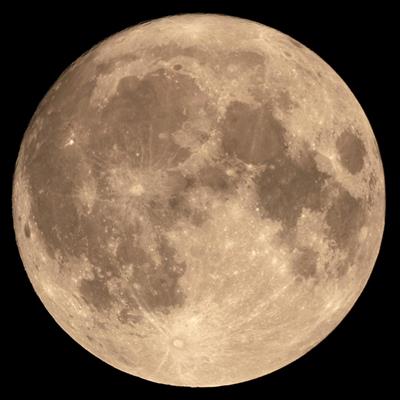
Meaning
The natural satellite of the earth, visible (chiefly at night) by reflected light from the sun.
Pronunciation
UK muːnz
US munz
Example Sentences
- Saturn has 62 known moons orbiting the planet;53 are officially named.
- The planets of our solar system hold more than 150 moons in their orbits.
- It has two moons, [Phobos] and [Deimos], which are small and irregularly shaped.
- Jupiter has at least 67 moons.
- The four largest moons of Jupiter are [Io], [Europa], [Ganymede], and [Callisto].
- They are collectively called the [Galilean] moons, because they were discovered by the Italian astronomer [Galileo galilei].
- Mars has two small moons named Phobos and Deimos.
- These moons are thought to be captured asteroids from the asteroid belt.
- Mercury has no moons or rings.
- It is made up of the Sun, eight planets, and many smaller objects such as moons and asteroids.
Learn Moons in Context
Explore more
Practice Moons
Read, listen, and practise using “Moons” in fun stories and activities.