A Simple Look at the Solar System
- English level
- Level 2
- Topic
- Space
- Estimated reading time
- 2 mins
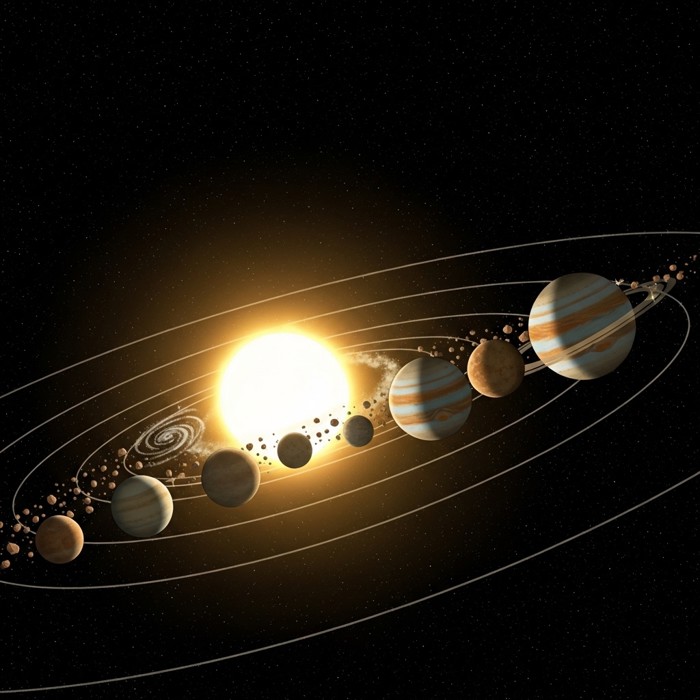
The solar system is so large that light takes over eight minutes to travel from the Sun to Earth.
It is made up of the Sun, eight planets, and many smaller objects such as moons and asteroids.
The Sun sits at the center and provides heat and light for everything around it.
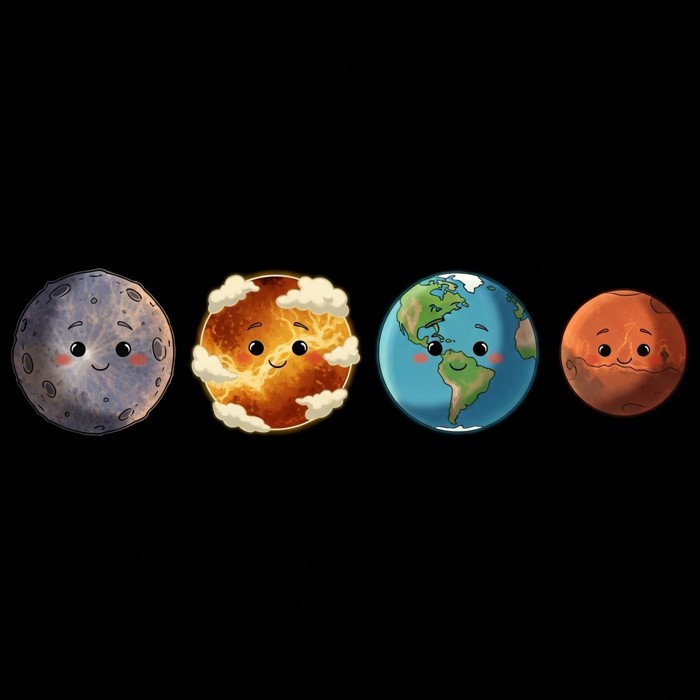
The four planets closest to the Sun are small and rocky: Mercury, Venus, Earth, and Mars.
Earth is the only planet known to support life, thanks to its liquid water and atmosphere.
Beyond Mars lies the asteroid belt, a region full of rocks and small bodies orbiting the Sun.
Jupiter and Saturn are the two largest planets, and both are made mostly of gas.
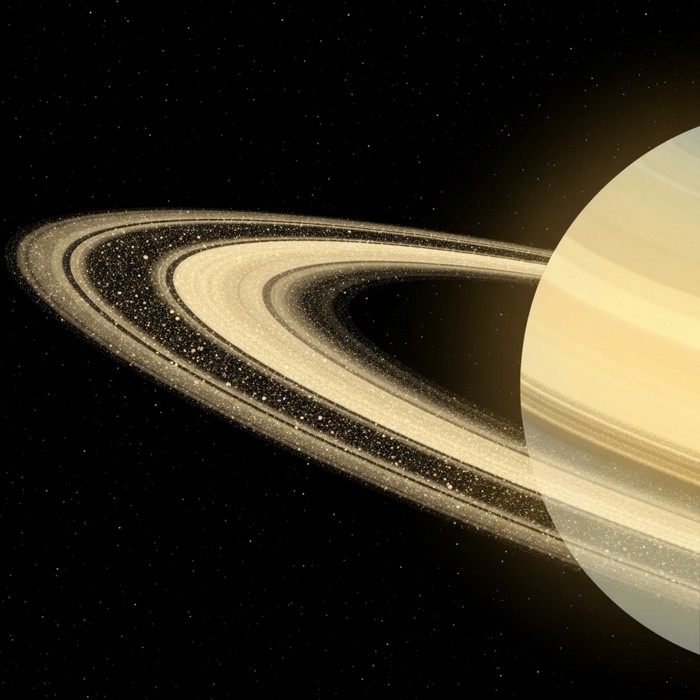
Saturn is famous for its beautiful rings, which are made of ice and rock.
Uranus and Neptune are called ice giants because they contain a lot of frozen materials.
Neptune is the farthest planet from the Sun, and it has the strongest winds in the solar system.
Many planets have moons orbiting them, and some moons may even have conditions for life.
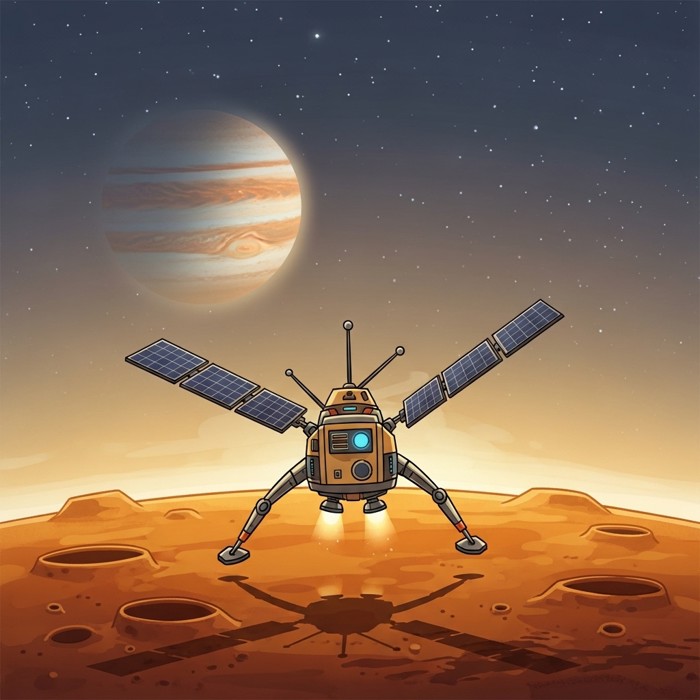
Humans have sent spacecraft to explore many parts of the solar system, including Mars and Jupiter.
We have learned a great deal about our neighbors in space, but many mysteries still remain.
The solar system will continue to inspire scientists and dreamers for many generations to come.
Key Vocabulary
 Asteroid (n) A small rocky body orbiting the sun. large numbers of these, ranging enormously in size, are found between the orbits of mars and jupiter, though some have more eccentric orbits.UK: ˈæstərɔɪdUS: ˈæstərɔɪdLearn more
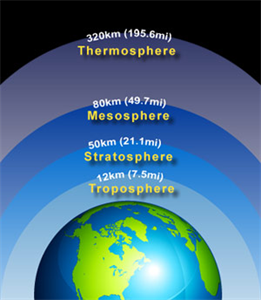 Atmosphere (n) The envelope of gases surrounding the earth or another planet.UK: ˈætməsfɪə(r)US: ˈætməsfɪrLearn more
 Frozen (adj) Past participle of freeze.UK: ˈfrəʊ.zənUS: ˈfroʊ.zənLearn more
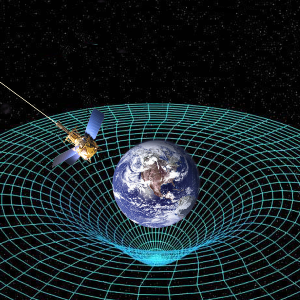 Gravity (n) The force that attracts a body towards the centre of the earth, or towards any other physical body having mass.UK: ˈɡrævətiUS: ˈɡrævətiLearn more
 Inspire (v) Fill (someone) with the urge or ability to do or feel something, especially to do something creative.UK: ɪnˈspaɪə(r)US: ɪnˈspaɪərLearn more
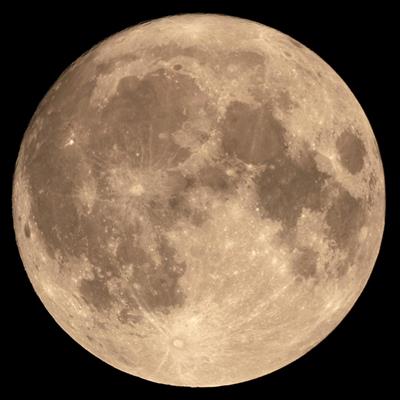 Moons (n) The natural satellite of the earth, visible (chiefly at night) by reflected light from the sun.UK: muːnzUS: munzLearn more
 Orbit (n) The curved path of a celestial object or spacecraft round a star, planet, or moon, especially a periodic elliptical revolution.UK: ˈɔːbɪtUS: ˈɔːrbɪtLearn more
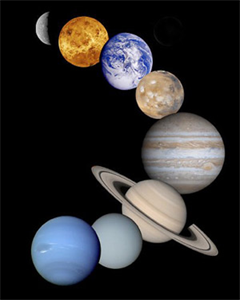 Planet (n) A celestial body moving in an elliptical orbit round a star.UK: ˈplænɪtUS: ˈplænɪtLearn more
 Region (n) An area, especially part of a country or the world having definable characteristics but not always fixed boundaries.UK: ˈriːdʒənUS: ˈriːdʒənLearn more
 Spacecraft (n) A vehicle used for travelling in space.UK: ˈspeɪskrɑːftUS: ˈspeɪskræftLearn more
Practice This Story
Continue learning with Ettip's stories and vocabulary challenges.
More English Stories About Space
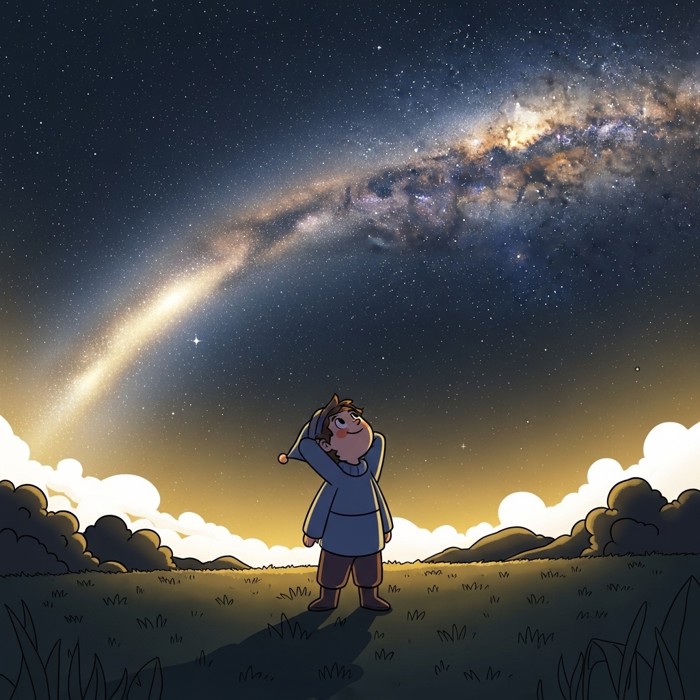
A Night Under a Clear Sky
The night sky was filled with thousands of stars, and I could not stop looking up. I walked outside after dinner and felt the cool air on my face. The moon was bright and round, lighting up the field...
What Astronauts Eat, Wear and Miss in Orbit
Ask an astronaut what they miss most about [Earth], and the answer is rarely the view; It is usually a smell, a texture, or a food they took for granted. Life aboard the International Space Station re...
What the First Photographs of a Black Hole Revealed
A black hole [cannot] be photographed, and yet in 2019 we did exactly that. What the Event Horizon Telescope revealed was never the hole itself, but the silhouette it carves in the incandescent gas or...
Why the Moon Always Shows Us the Same Face
The Moon has kept one face turned toward us for billions of years, like a dancer who never turns her back on the audience. This eternal sameness is not a coincidence but the result of a subtle gravita...