
Vocabulary about Animals
Animals is a topic that helps learners learn about the names, characteristics, and habitats of different animals. It is an interesting and familiar topic that helps learners expand their vocabulary and describe the natural world.
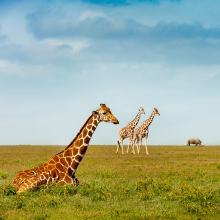
Vocabulary about Animals
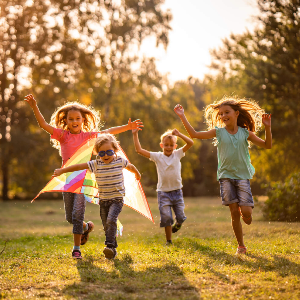 Active (adj) Engaging or ready to engage in physically energetic pursuits.UK: ˈæktɪvUS: ˈæktɪvLearn more
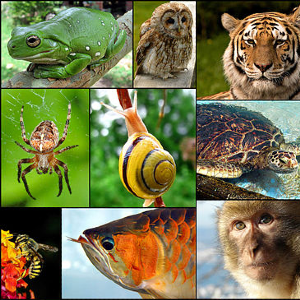 Animals (n) Living things that move, eat, and have senses, such as mammals, birds, and fishUK: ˈænɪməlzUS: ˈænəməlzLearn more
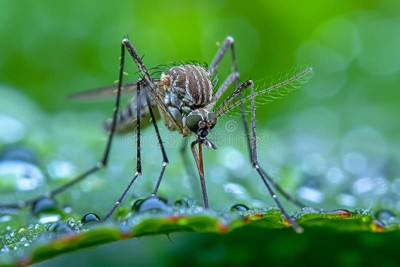 Antennae (n) The pair of long, thin sensory organs on the heads of insects and some other animalsUK: /ænˈten.iː/US: /ænˈten.i/Learn more
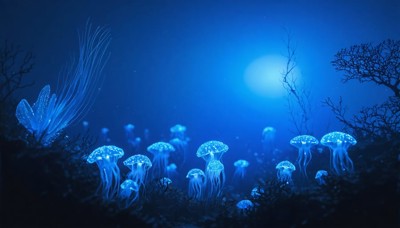 Bioluminescence (n) Light produced by living organisms, such as fireflies or some deep-sea fish, through a chemical reactionUK: /ˌbaɪəʊˌluːmɪˈnesns/US: /ˌbaɪoʊˌluːmɪˈnesns/Learn more
 Blind (adj) Unable to see because of injury, disease, or a congenital condition.UK: blaɪndUS: blaɪndLearn more
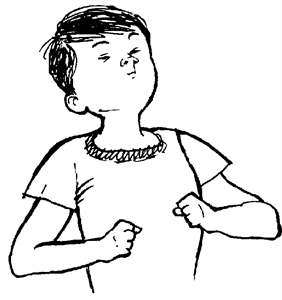 Breathe (v) Take air into the lungs and then expel it, especially as a regular physiological process.UK: briːðUS: briːðLearn more
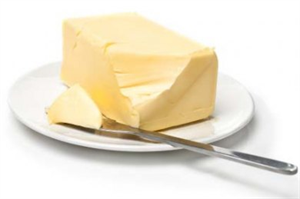 Butter (n) A pale yellow edible fatty substance made by churning cream and used as a spread or in cooking.UK: ˈbʌtə(r)US: ˈbʌtərLearn more
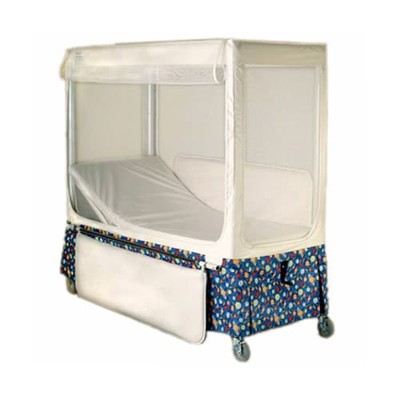 Canopy (n) A cover fixed over a bed, throne, or entrance, or a protective roof-like coveringUK: /ˈkænəpi/US: /ˈkænəpi/Learn more
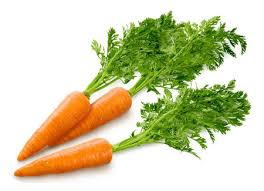 Carrot (n) A tapering orange-coloured root eaten as a vegetable.UK: ˈkærətUS: ˈkærətLearn more
 Carry (v) Support and move (someone or something) from one place to another.UK: ˈkæriUS: ˈkæriLearn more
 Chameleon (n) A type of lizard known for its ability to change the color of its skin to match its surroundingsUK: /kəˈmiːliən/US: /kəˈmiːliən/Learn more
 Clean (v) Free from dirt, marks, or stains.UK: kliːnUS: kliːnLearn more
Read Animals in stories
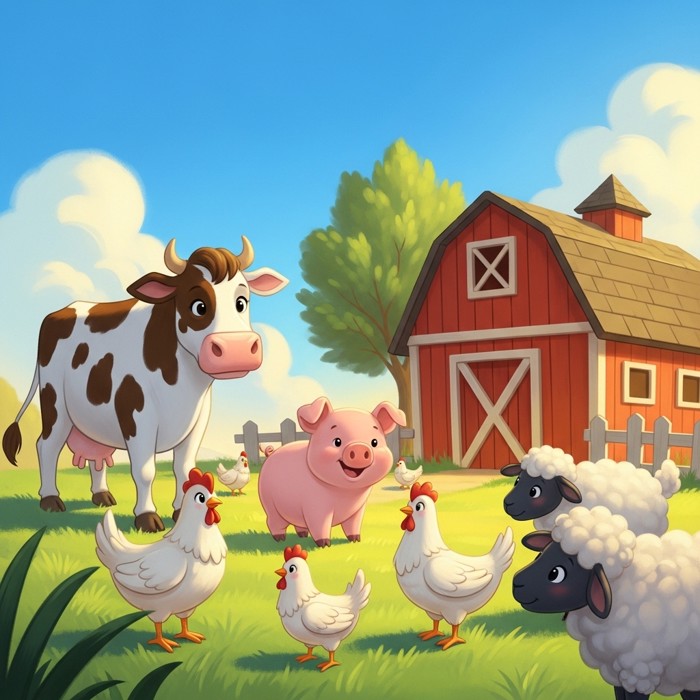
Animals at the Farm
Do you know what animals live on a farm? Farms are full of amazing animals! Cows are big animals on the farm. They give milk every day. Farmers collect the milk each morning. Chickens are small and ve...

Why Cats Sleep So Much
Your cat can sleep for 16 hours a day! Cats sleep more than almost any other animal. Cats are hunters in nature. Hunting uses a lot of energy. Cats rest to save their energy. They wake up ready to run...
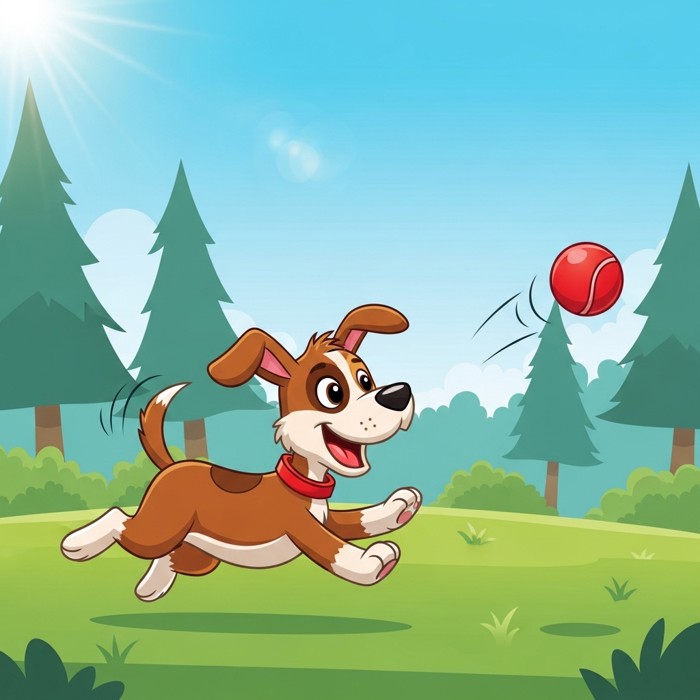
A Dog in the Park
Do you want to meet a happy dog? A dog loves the park. This dog is brown and white. He runs fast on the green grass. He wags his tail all the time. His tail moves left and right. A boy throws a ball....
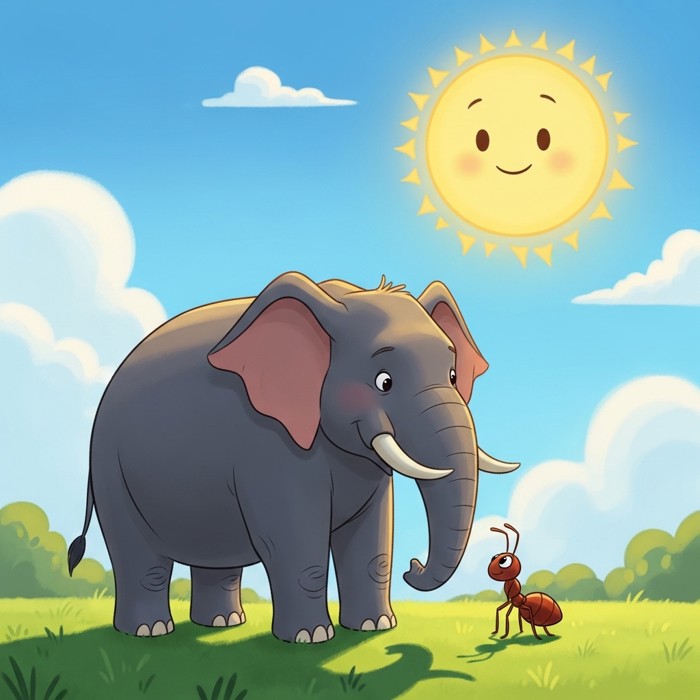
Big Animals and Small Animals
Some animals are as big as a bus! Some animals are very small. An elephant is a very big animal. It eats a lot of grass every day. A blue whale is the biggest animal in the world. It lives in the ocea...

A Horse Runs Fast
A horse runs very fast. It is one of the fastest animals on land. Horses have four strong legs. Their legs help them run far. Horses also have hard hooves. The hooves hit the ground hard. Horses eat g...
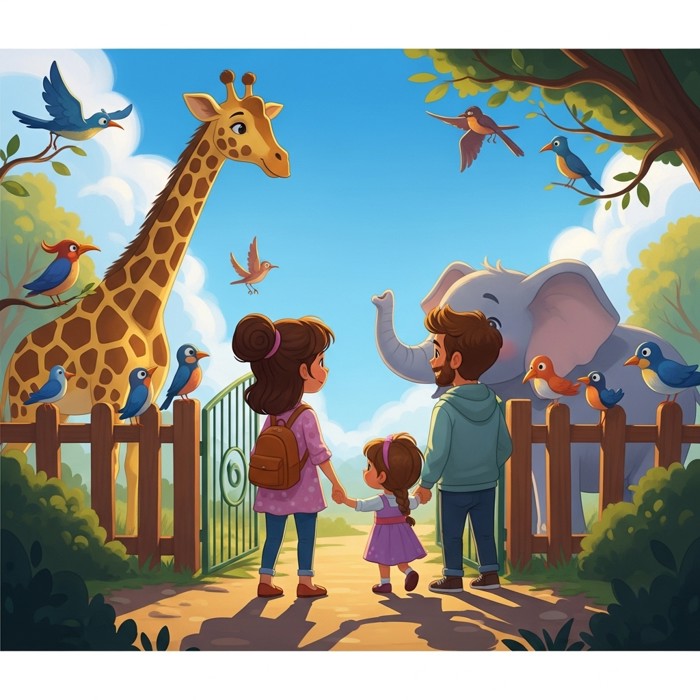
A Visit to the Zoo
Have you ever seen a giraffe eat a leaf? A zoo is a great place to see animals. Many animals live at the zoo. Some animals come from far away. Elephants are very big and strong. They have long noses c...
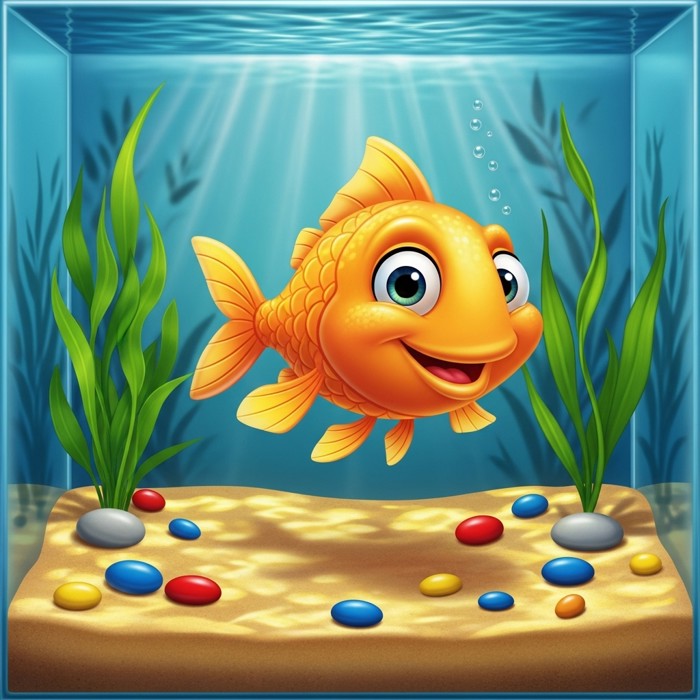
Fish in a Blue Tank
A fish does not need air to breathe. Fish live in water inside a tank. The tank is blue and clean. Fish use their gills to breathe. Gills take air from the water. Fish have fins on their body. Fins he...
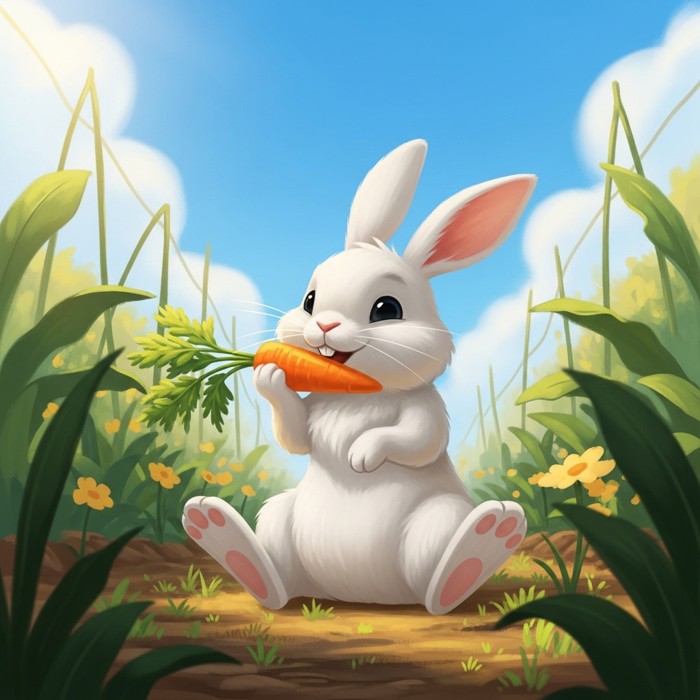
My Rabbit Likes Carrots
Do you know what a rabbit loves to eat? My rabbit loves carrots. He eats one carrot every day. Carrots are orange and sweet. My rabbit is white and very soft. He has long ears and big eyes. He hops ar...
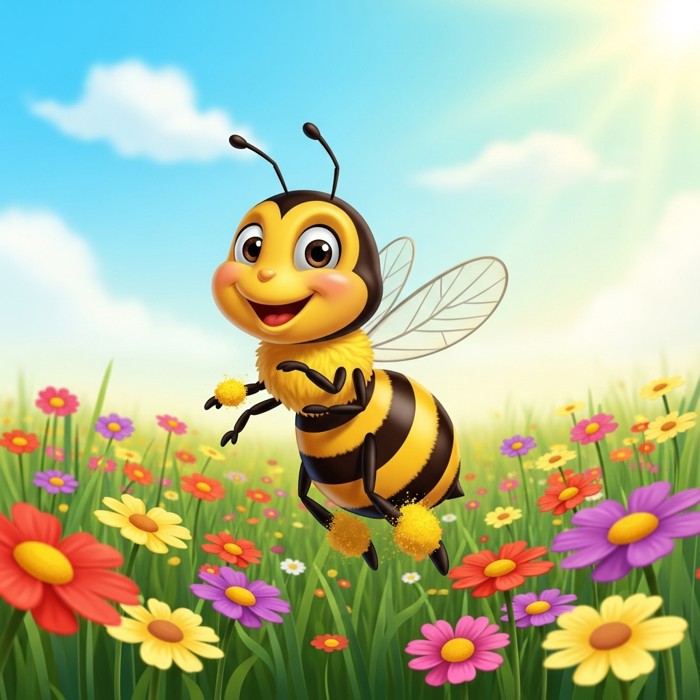
Why Bees Like Flowers
Bees visit millions of flowers every day! Why do bees love flowers? Flowers have a sweet liquid inside. Bees drink this liquid. Its name is nectar. Nectar tastes very sweet. Flowers also have yellow p...
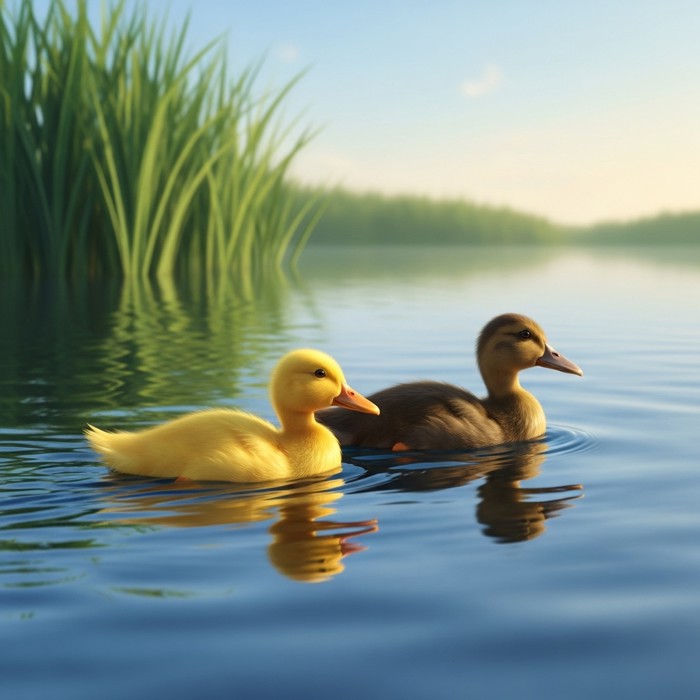
A Baby Duck in Water
A tiny duck can swim on its first day! It is called a duckling. A duckling hatches from an egg. The egg is small and white. The mother duck sits on the egg. Soon the duckling comes out. It has soft ye...
Related topics
 FoodFood is a topic that helps learners learn about different foods, dishes, drinks, and ways to describe tastes. It is a familiar and useful topic for everyday situations such as eating, cooking, and ordering food.
 TravelTravel is a topic that helps learners talk about trips, destinations, transportation, and activities while traveling. It is useful for discussing travel plans, experiences, and places they have visited.
 FamilyFamily is a topic that helps learners learn vocabulary about family members and their relationships. It is a familiar and useful topic for talking about family, relatives, and everyday life.
 Daily RoutinesDaily Routines is a topic that helps learners talk about activities they do every day, such as waking up, having breakfast, going to school, or going to work. It is a familiar and useful topic for practicing how to describe daily schedules and everyday life.
 HomeHome is a topic that helps learners learn about rooms, household items, and activities that happen at home. It is a familiar and useful topic for describing a home, living spaces, and family life.
 Numbers & TimeNumbers & Time is a topic that helps learners practice numbers, telling the time, dates, and periods of time. These are essential vocabulary and skills for everyday communication.
 Information TechnologyInformation Technology (IT) is a topic that helps learners learn about computers, the Internet, software, and digital technologies. It is useful for talking about technology, work, communication, and how we use digital devices in everyday life.
 EducationEducation is a topic that helps learners talk about schools, subjects, teachers, and learning activities. It is a familiar and useful topic for discussing study, classrooms, and educational experiences.
 Workplace EnvironmentWorkplace Environment is a topic that helps learners talk about the workplace, coworkers, company culture, and activities at work. It is useful for communicating in professional settings and describing everyday work experiences.
 TransportationTransportation is a topic that helps learners learn about different means of transport, such as cars, motorbikes, buses, trains, and airplanes. It is useful for talking about travel, traffic, and everyday journeys.