A Simple Look at Online Privacy
- English level
- Level 2
- Estimated reading time
- 2 mins
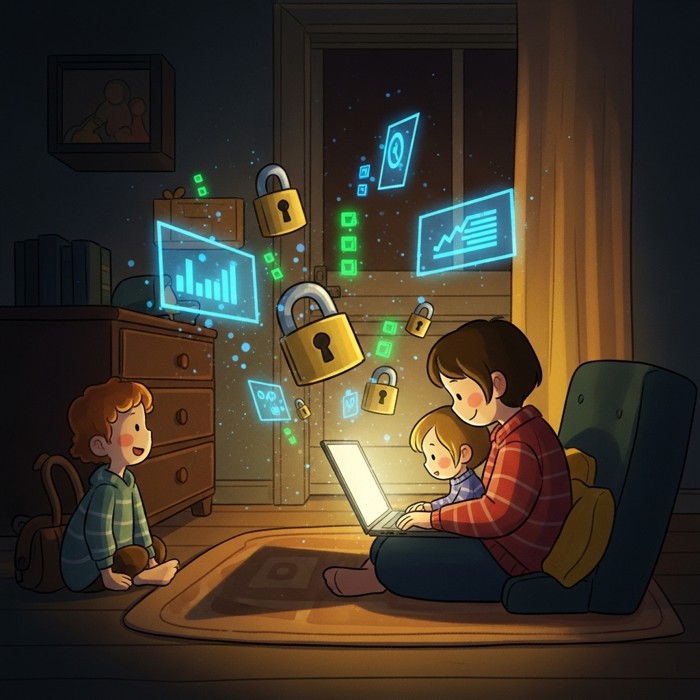
Every time you go online, you leave a trail of information behind you.
Online privacy means protecting your personal data from people who should not have it.
When you visit a website, it can collect your name, location, and browsing habits.
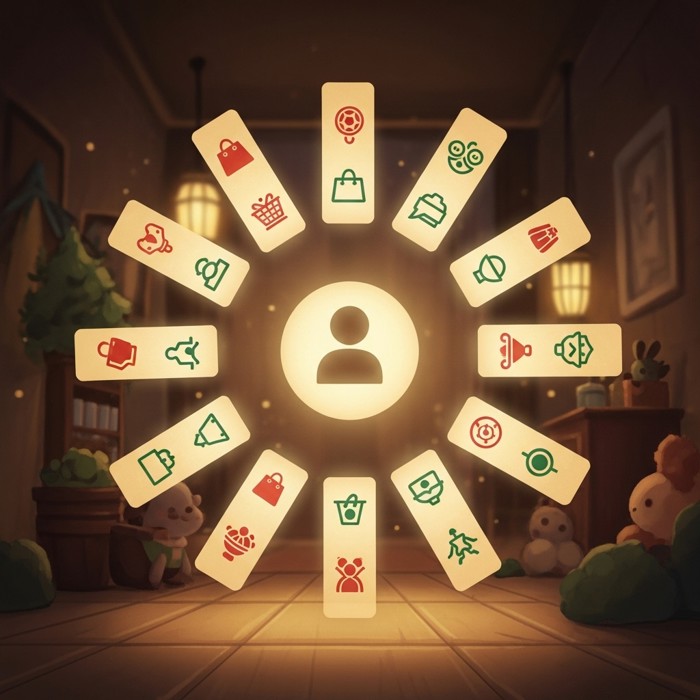
Companies use this data to show you advertisements that match your interests.
Small files called cookies track your activity across different websites.
Social media platforms store a large amount of information about your life.
Sharing too much on social media can put your safety at risk.
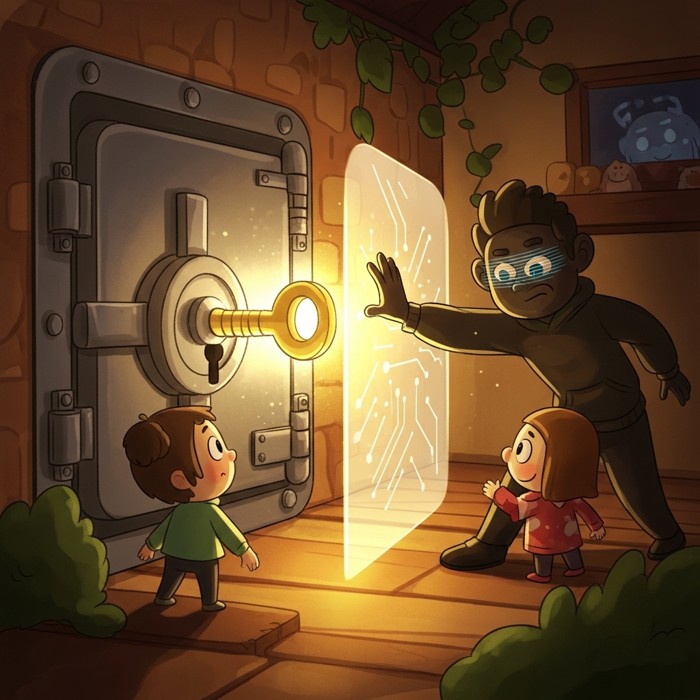
A strong password helps protect your accounts from hackers.
Websites that use HTTPS keep your connection more secure than those that do not.
A VPN, or virtual private network, hides your internet activity from others.
Checking your privacy settings regularly helps you control what others can see.

Sometimes companies suffer data breaches, and your information can be stolen.
Learning about online privacy gives you the power to protect yourself.
Small steps every day can make your digital life much safer.
Key Vocabulary
 Activity (n) The condition in which things are happening or being done.UK: ækˈtɪvətiUS: ækˈtɪvətiLearn more
 Advertisements (n) Advertisement; advertisements (in newspapers, on radio, etc.)UK: ədˈvɜːtɪsməntsUS: ˈædvərˌtaɪzməntsLearn more
 Breaches (n) Violations of a law, agreement, or promise, or openings in a defensive structureUK: /briːtʃɪz/US: /briːtʃɪz/Learn more
 Browsing (n) The act of looking at many things in a store or on the internet without a clear purposeUK: /ˈbraʊzɪŋ/US: /ˈbraʊzɪŋ/Learn more
 Connection (n) A relationship in which a person or thing is linked or associated with something else.UK: kəˈnekʃnUS: kəˈnekʃnLearn more
 Cookies (n) A sweet biscuit having a fairly soft, chewy texture and typically containing pieces of chocolate or fruit.UK: ˈkʊkizUS: ˈkʊkizLearn more
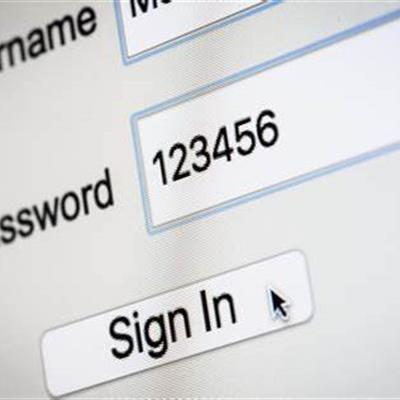 Password (n) A secret word or phrase that must be used to gain admission to a place.UK: ˈpɑːswɜːdUS: ˈpæswɜːrdLearn more
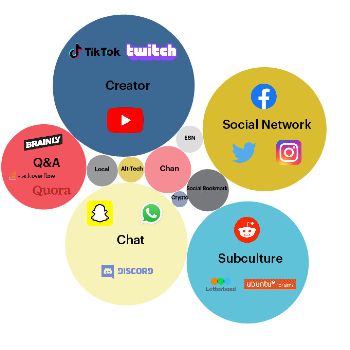 Platforms (n) A raised level surface on which people or things can stand.UK: ˈplætfɔːmzUS: ˈplætˌfɔrmzLearn more
 Privacy (n) A state in which one is not observed or disturbed by other people.UK: ˈprɪvəsiUS: ˈpraɪvəsiLearn more
 Settings (n) The place or type of surroundings where something is positioned or where an event takes place.UK: ˈsɛtɪŋzUS: ˈsɛtɪŋzLearn more

Practice This Story
Continue learning with Ettip's stories and vocabulary challenges.
More English Stories About Information Technology
A Day Without the Internet
Imagine waking up one morning and discovering that the internet has completely disappeared. You reach for your phone, but there are no messages, no news feeds, and no social media. Without the interne...
Choosing the Right Tool for Work
Every day at work, people face a simple but important question: which tool should I use? In the world of information technology, the right tool can make your work faster and easier. There are many typ...

The Human Side of New Technology
Many people feel nervous when they first try a new device or application. Technology is changing our world very fast, but humans take time to adapt. Some workers worry that machines will replace their...