
Choosing the Right Tool for Work
- English level
- Level 2
- Estimated reading time
- 2 mins

Every day at work, people face a simple but important question: which tool should I use?
In the world of information technology, the right tool can make your work faster and easier.
There are many types of tools available, from software applications to online platforms.

Some tools help you write documents, while others help you manage projects or communicate with your team.
Before choosing a tool, you should first think about what task you need to complete.
A tool that works well for sending messages may not be the best choice for creating spreadsheets.
You should also consider whether the tool works with your other software and devices.

Compatibility is important because switching between tools that do not connect can waste your time.
The cost of a tool is another factor to keep in mind.
Some tools are free to use, but they may have limited features compared to paid versions.
Security is also a key concern, especially when you are handling sensitive or private data.
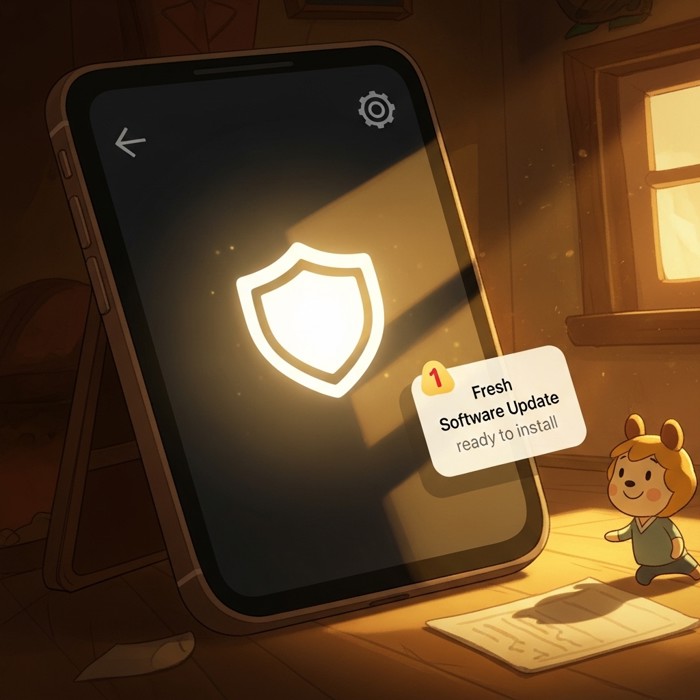
Always check if the tool has strong privacy settings and regular updates from the developer.
Finally, think about how easy the tool is to learn and use every day.
The best tool for your work is one that saves time, fits your needs, and supports your team.
Key Vocabulary
 Applications (n) Formal requests for something, or programs designed for a specific purpose on a computer or deviceUK: ˌæplɪˈkeɪʃ(ə)nzUS: ˌæpləˈkeɪʃənzLearn more
 Compatibility (n) A state in which two things are able to exist or occur together without problems or conflict.UK: kəmˌpætəˈbɪlətiUS: kəmˌpætəˈbɪlətiLearn more
 Complete (adj) Having all the necessary or appropriate parts.UK: kəmˈpliːtUS: kəmˈpliːtLearn more
 Consider (v) Think carefully about (something), typically before making a decision.UK: kənˈsɪdə(r)US: kənˈsɪdərLearn more
 Developer (n) A person or thing that develops something.UK: dɪˈveləpə(r)US: dɪˈveləpərLearn more
 Features (n) Important parts or characteristics of something, or parts of someone's faceUK: ˈfiːʧəzUS: ˈfiʧərzLearn more
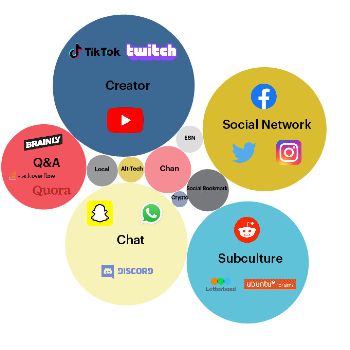 Platforms (n) A raised level surface on which people or things can stand.UK: ˈplætfɔːmzUS: ˈplætˌfɔrmzLearn more
 Security (n) The state of being free from danger or threat.UK: sɪˈkjʊərətiUS: sɪˈkjʊrətiLearn more
 Sensitive (adj) Quick to detect or respond to slight changes, signals, or influences.UK: ˈsensətɪvUS: ˈsensətɪvLearn more
 Spreadsheets (n) An electronic document with data organized in rows and columns, used for calculations and data analysisUK: ˈsprɛdʃiːtsUS: ˈsprɛdˌʃitsLearn more

Practice This Story
Continue learning with Ettip's stories and vocabulary challenges.
More English Stories About Information Technology

A Day Without the Internet
Imagine waking up one morning and discovering that the internet has completely disappeared. You reach for your phone, but there are no messages, no news feeds, and no social media. Without the interne...

A Simple Look at Online Privacy
Every time you go online, you leave a trail of information behind you. Online privacy means protecting your personal data from people who should not have it. When you visit a website, it can collect y...

The Human Side of New Technology
Many people feel nervous when they first try a new device or application. Technology is changing our world very fast, but humans take time to adapt. Some workers worry that machines will replace their...