
The Human Side of New Technology
- English level
- Level 2
- Estimated reading time
- 1 min

Many people feel nervous when they first try a new device or application.
Technology is changing our world very fast, but humans take time to adapt.
Some workers worry that machines will replace their jobs in the future.
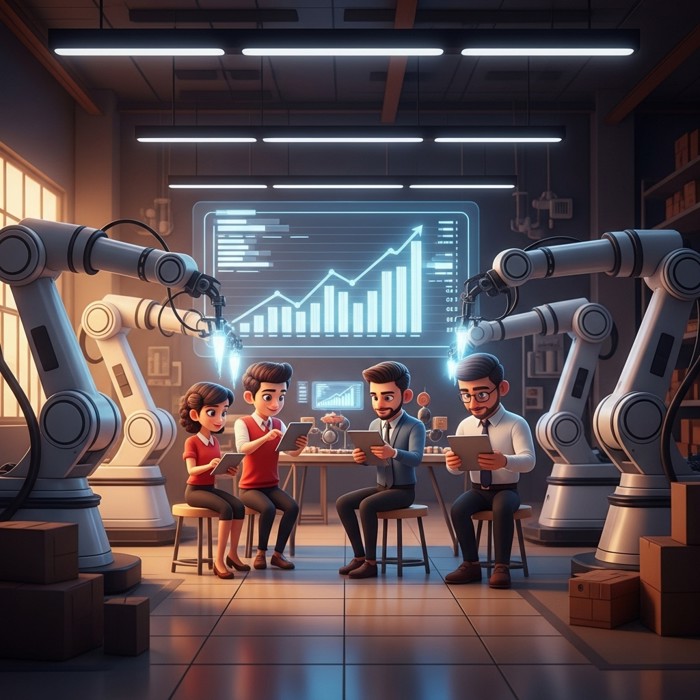
Companies are investing in robots and artificial intelligence to increase productivity.
However, studies show that new technology often creates more jobs than it removes.
The challenge is that workers need training to develop the right skills for these new roles.
Learning new software or tools can feel difficult and frustrating at the beginning.

Technology also affects how we connect with other people in our daily lives.
Social media platforms help us stay in touch, but they can also cause feelings of loneliness.
Not everyone has equal access to technology, which creates a serious digital divide in society.
People in rural areas or low-income communities often struggle to use the latest digital tools.
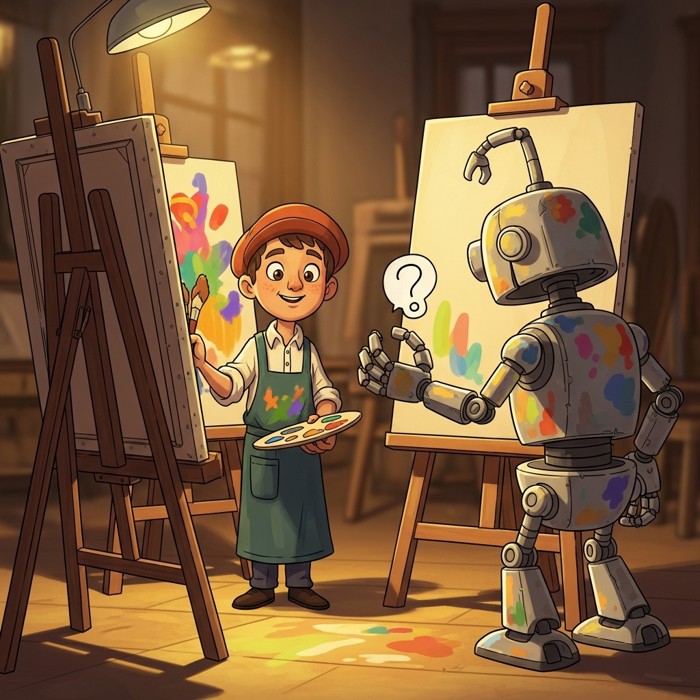
Human creativity and critical thinking are still qualities that machines [cannot] easily copy.
As technology continues to grow, people must work together to make sure it benefits everyone.
The future of technology depends not only on innovation, but also on our shared human values.
Key Vocabulary
 Access (v) The means or opportunity to approach or enter a place.UK: ˈæksesUS: ˈæksesLearn more
 Adapt (v) Make (something) suitable for a new use or purpose; modify.UK: əˈdæptUS: əˈdæptLearn more
 Creativity (n) The use of imagination or original ideas to create something; inventiveness.UK: ˌkriːeɪˈtɪvətiUS: ˌkriːeɪˈtɪvətiLearn more
 Frustrating (adj) Causing feelings of annoyance or discouragement because you cannot achieve what you wantUK: /ˈfrʌstreɪtɪŋ/US: /ˈfrʌstreɪtɪŋ/Learn more
 Innovation (n) The action or process of innovating.UK: ˌɪnəˈveɪʃnUS: ˌɪnəˈveɪʃnLearn more
 Loneliness (n) Sadness because one has no friends or company.UK: ˈləʊnlinəsUS: ˈləʊnlinəsLearn more
 Nervous (adj) Easily agitated or alarmed.UK: ˈnɜːvəsUS: ˈnɜːrvəsLearn more
 Productivity (n) The state or quality of being productive.UK: ˌprɒdʌkˈtɪvətiUS: ˌprəʊdʌkˈtɪvətiLearn more
 Replace (v) To put something new in the place of something old or brokenUK: rɪˈpleɪsUS: rɪˈpleɪsLearn more
 Training (n) The action of teaching a person or animal a particular skill or type of behaviour.UK: ˈtreɪnɪŋUS: ˈtreɪnɪŋLearn more

Practice This Story
Continue learning with Ettip's stories and vocabulary challenges.
More English Stories About Information Technology

A Day Without the Internet
Imagine waking up one morning and discovering that the internet has completely disappeared. You reach for your phone, but there are no messages, no news feeds, and no social media. Without the interne...

A Simple Look at Online Privacy
Every time you go online, you leave a trail of information behind you. Online privacy means protecting your personal data from people who should not have it. When you visit a website, it can collect y...
Choosing the Right Tool for Work
Every day at work, people face a simple but important question: which tool should I use? In the world of information technology, the right tool can make your work faster and easier. There are many typ...