Why We Have Clocks
- English level
- Level 1
- Topic
- Numbers & Time
- Estimated reading time
- 1 min
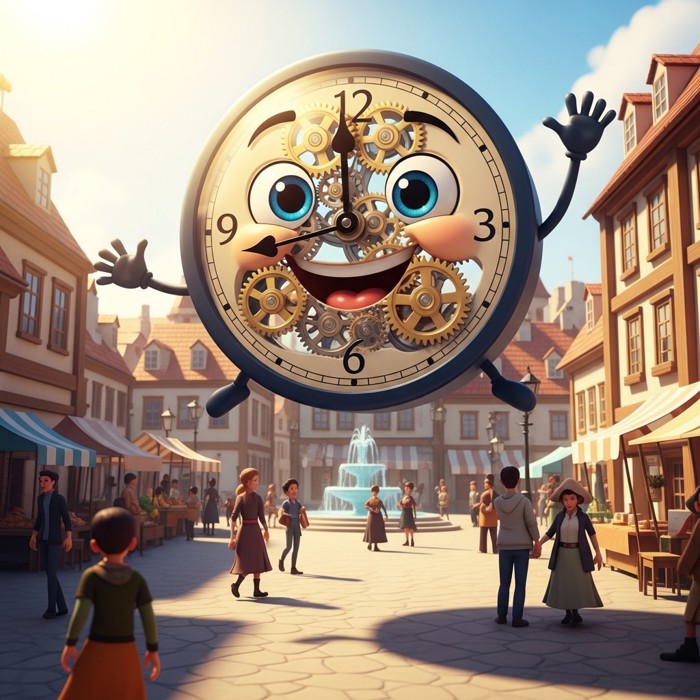
Have you ever wondered why clocks exist?
Clocks help us keep track of time.
Long ago, people watched the sun to guess the time.
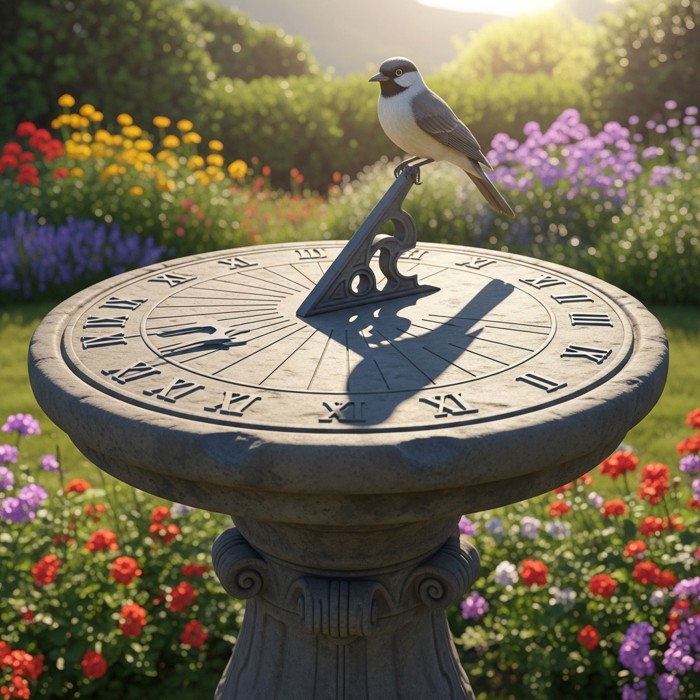
Sundials used shadows to show the hour.
But shadows disappear at night.
People needed a better way to tell time.
Clockmakers built machines with moving hands.
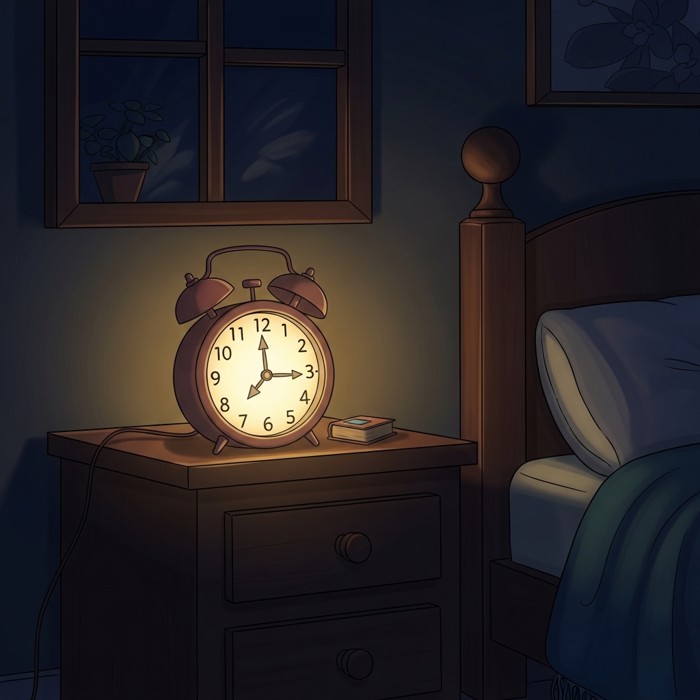
These clocks worked day and night.
Clocks help us wake up on time.
They help trains and buses run on schedule.
They help doctors and workers plan their day.
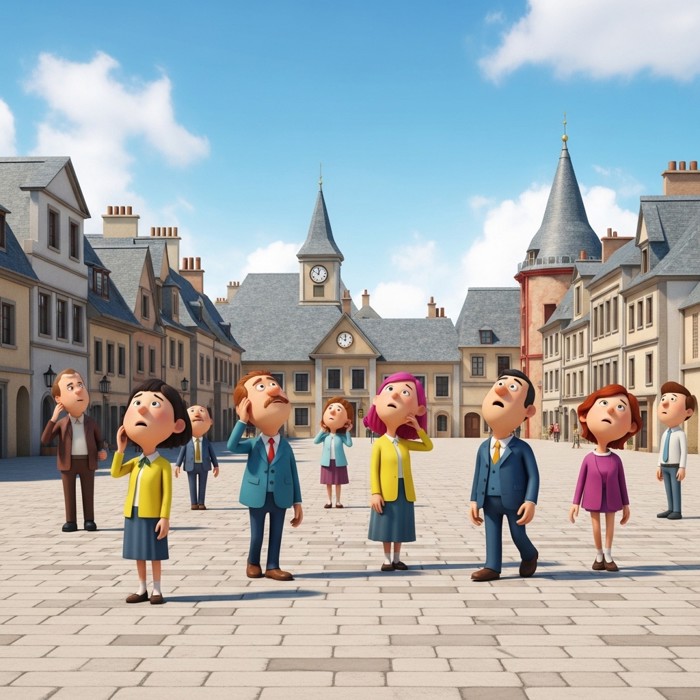
Without clocks, everyone would feel confused about time.
Clocks bring order to our busy lives.
That is why we still use clocks today!
Key Vocabulary
 Schedule (v) A plan for carrying out a process or procedure, giving lists of intended events and times.UK: ˈʃedjuːlUS: ˈskedʒuːlLearn more
 Shadows (n) Dark shapes created when an object blocks light, or areas of darknessUK: /ˈʃædəʊz/US: /ˈʃædoʊz/Learn more
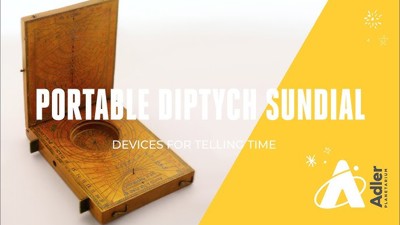 Sundials (n) Devices that tell the time of day by the position of the sun's shadowUK: /ˈsʌndaɪəlz/US: /ˈsʌndaɪəlz/Learn more
Practice This Story
Continue learning with Ettip's stories and vocabulary challenges.
More English Stories About Numbers & Time
Counting from One to Ten
Can you count to ten? Numbers from one to ten are easy to learn. One comes first. Two comes after one. Three, four, and five come next. Six comes after five. Seven, eight, and nine follow six. Ten is...
How to Tell Time
Do you know how to read a clock? A clock helps us tell the time. Most clocks have two hands. The short hand shows the hour. The long hand shows the minutes. A clock face has twelve numbers. The number...
Months of the Year
Do you know all twelve months of the year? A year has twelve months. January is the first month. February comes next, and it is short. March brings warmer spring weather. April and May are also spring...
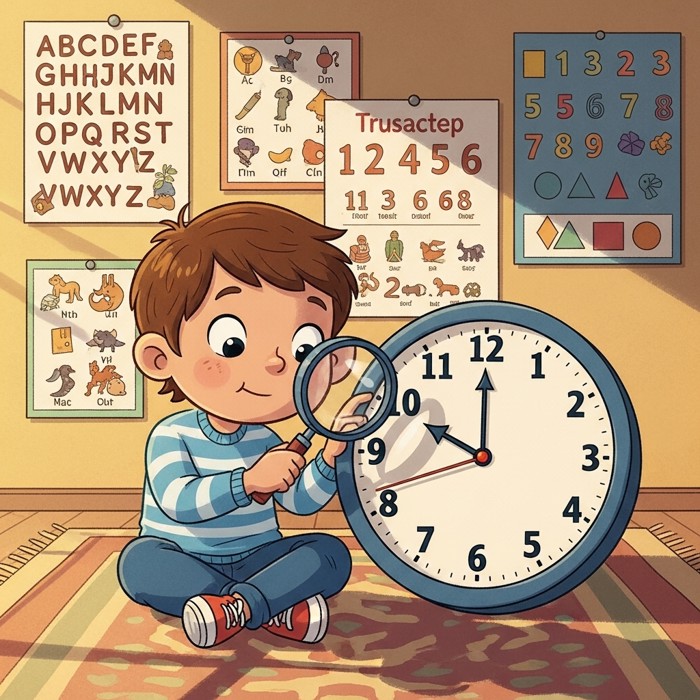
Telling Time on a Clock
A clock can look tricky at first. But telling time is not hard to learn. Look at the short hand for the hour. Look at the long hand for the minutes. Small marks around the clock count minutes. Each bi...
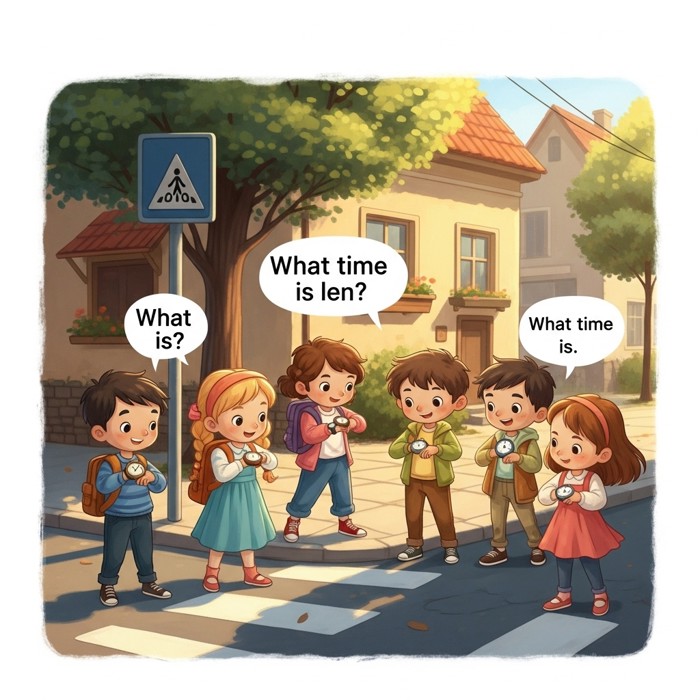
What Time Is It Now
Have you ever asked what time it is? People ask this question every day. You look at a clock to find out. The clock shows the hour and the minutes. Sometimes it is nine [o'clock]. Sometimes it is half...
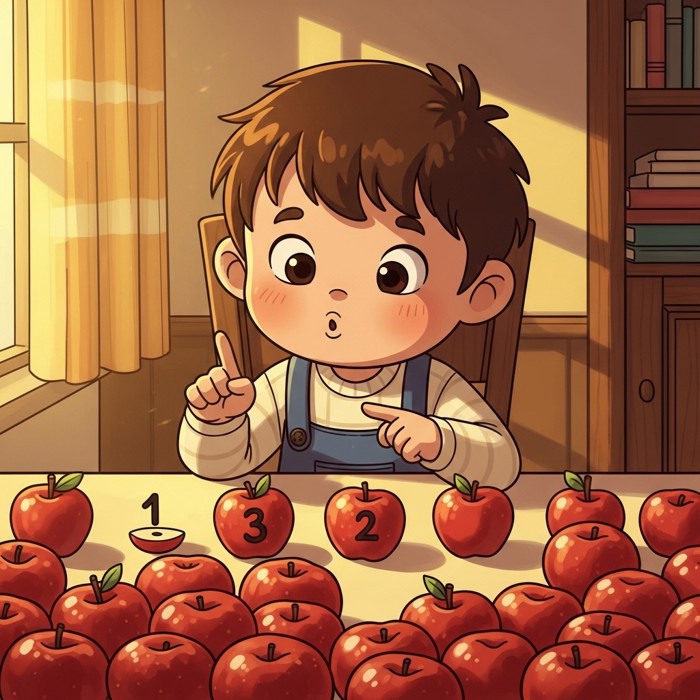
How Many Are There
How many apples are on the table? We ask how many to count things. Look at the group of objects. Count each one out loud. One, two, three, and so on. Stop when you reach the last object. That last num...
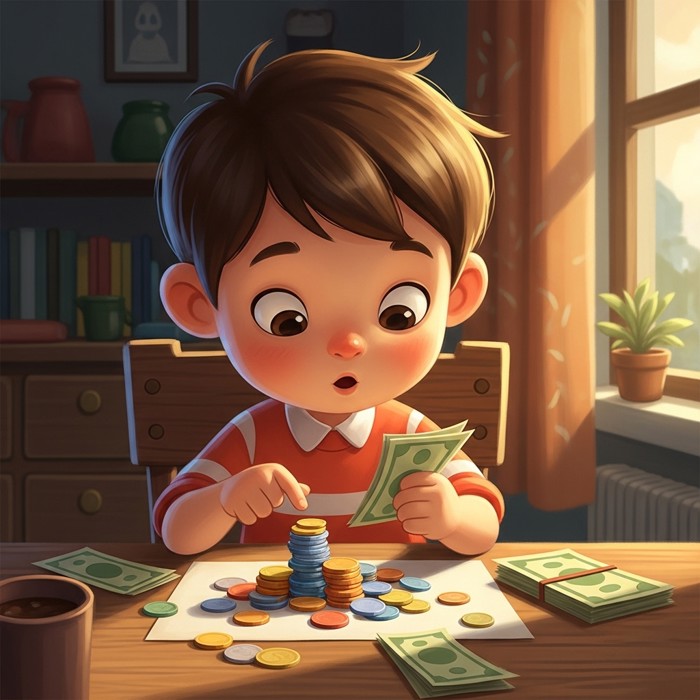
How to Count Money
Do you know how to count your money? Money comes in coins and paper bills. A penny is worth one cent. A nickel is worth five cents. A dime is worth ten cents. A quarter is worth twenty-five cents. One...
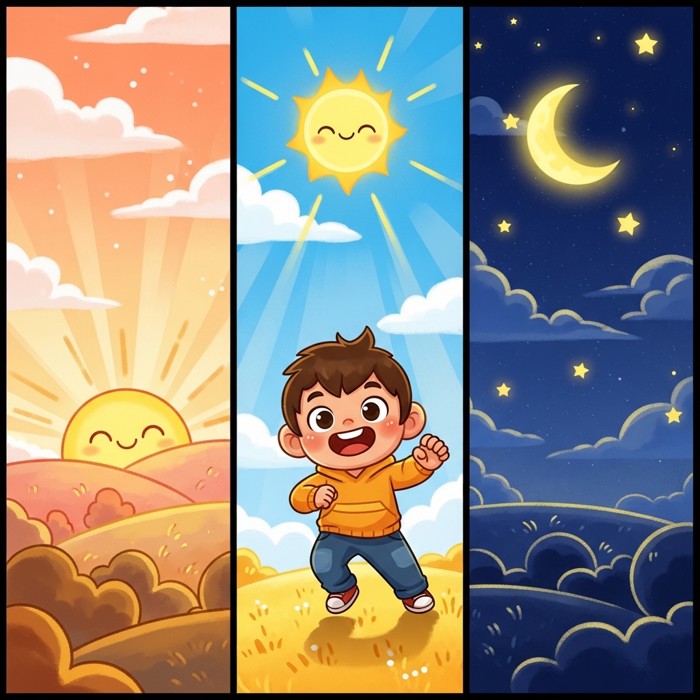
Morning Noon and Night
Every day has three special parts. They are morning, noon, and night. Morning starts when the sun rises. We eat breakfast in the morning. Noon is the middle of the day. The sun is high in the sky at n...
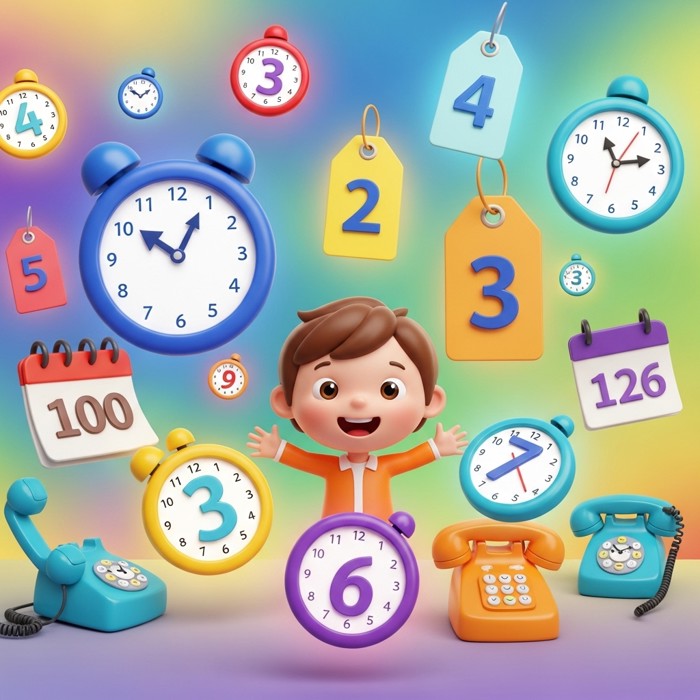
Numbers We Use Every Day
Numbers are all around us every day. We use them in many different ways. Phone numbers help us call our friends. House numbers help mail find our home. Price tags show how much things cost. Clocks use...
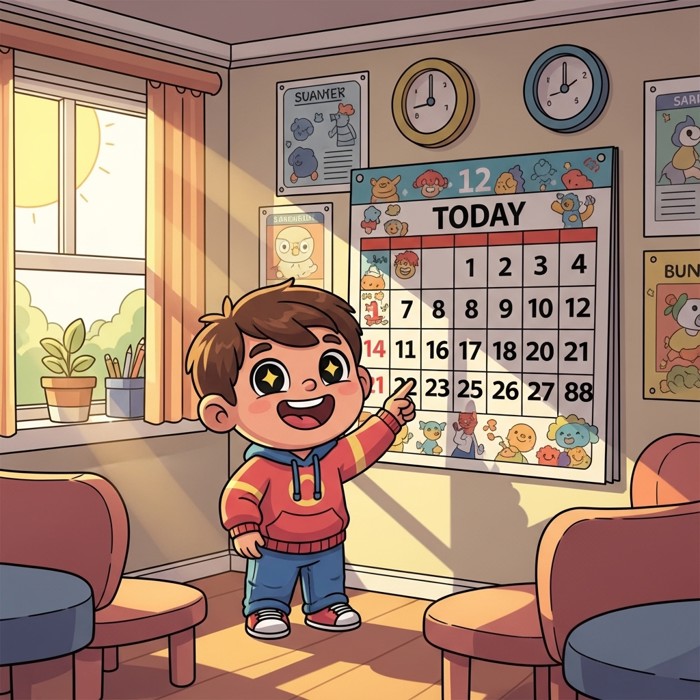
What Day Is Today
What day is it today? People ask this question all the time. A calendar can tell you the answer. Calendars show all the days in a month. Phones and computers show the day too. Some people write the da...