Stories about Body Parts
Body Parts is a topic that helps learners learn the names and functions of various human body parts. These words are essential for everyday communication and useful when discussing health, appearance, and activities.
Explore Body Parts vocabulary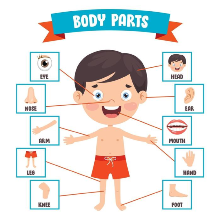
Stories about Body Parts
Head Shoulders Knees and Toes
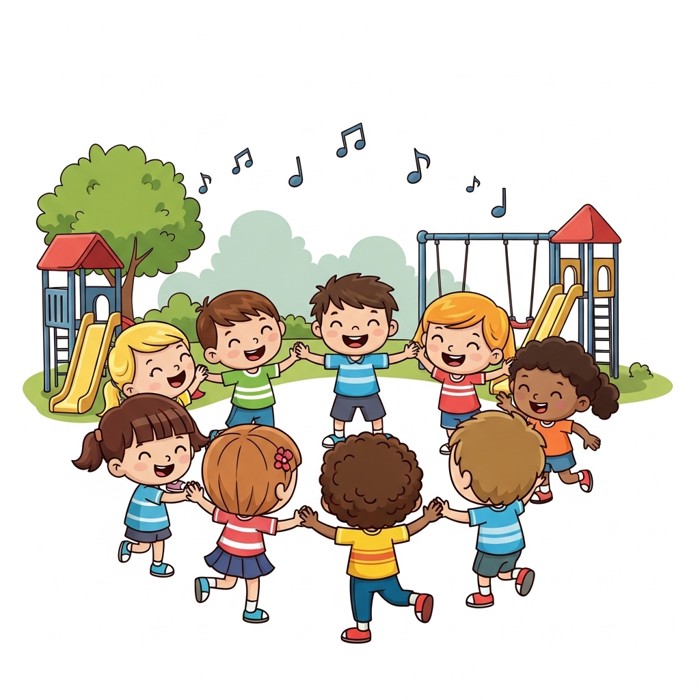
Do you know this fun song? It sings about your body parts. Head, shoulders, knees, and toes. Touch your head with both hands. Then touch your two shoulders. Next touch your two knees. Now touch your t...
Learning the Parts of the Body
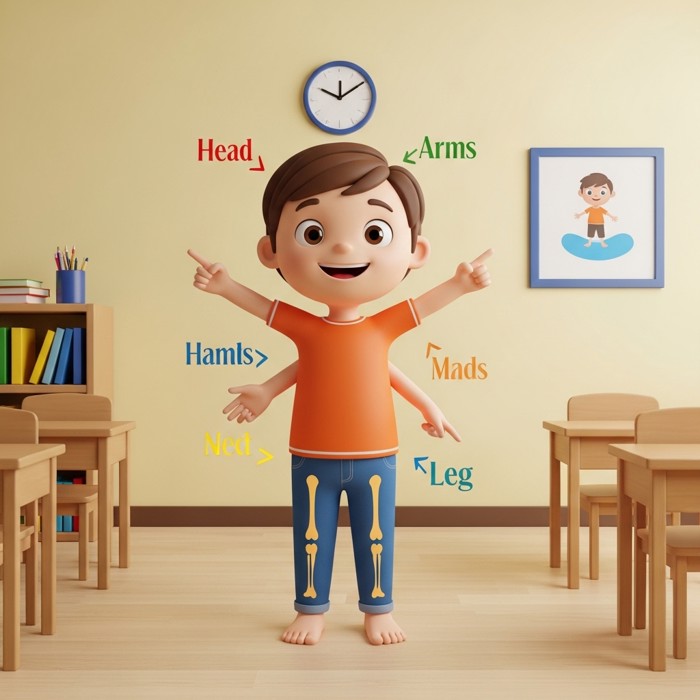
Look at your body right now! It has many amazing parts. Your head sits on top. Your eyes and ears are on your head. Your neck holds up your head. Two arms hang from your shoulders. Your hands have fiv...
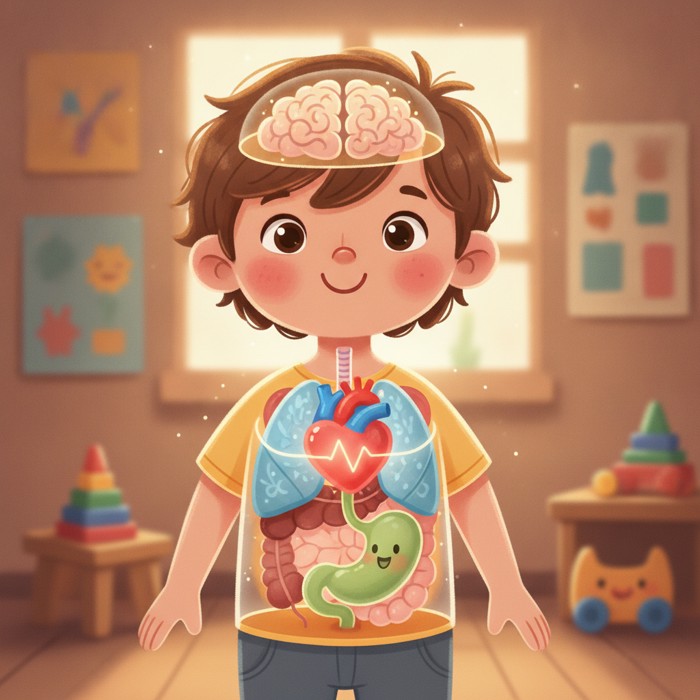
How the Body Works
Your body never stops working! It works like a busy machine. Your heart beats all day and night. It pumps blood to every part. Your lungs bring in fresh air. You breathe in and breathe out. Your stoma...
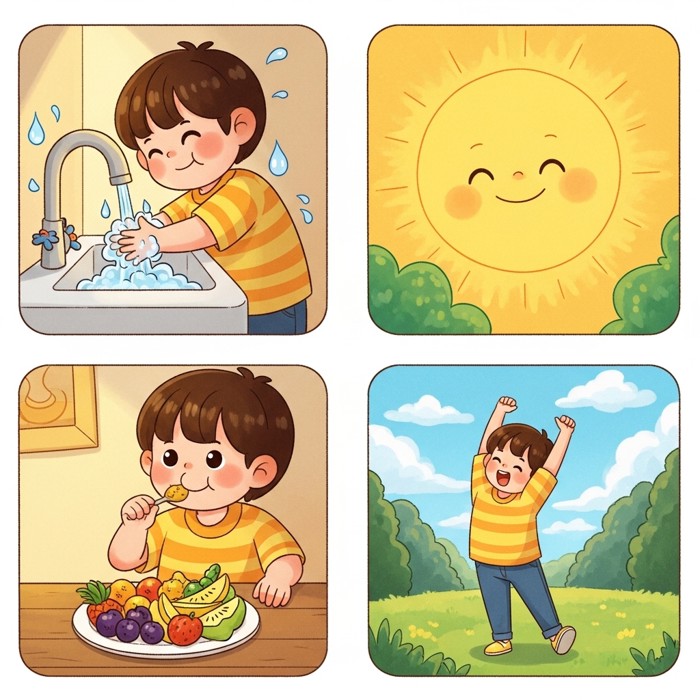
Taking Care of Your Body
Your body needs your help every day! Taking care of it keeps you healthy. Wash your hands before you eat. Clean hands stop germs from spreading. Brush your teeth two times a day. This keeps your teeth...
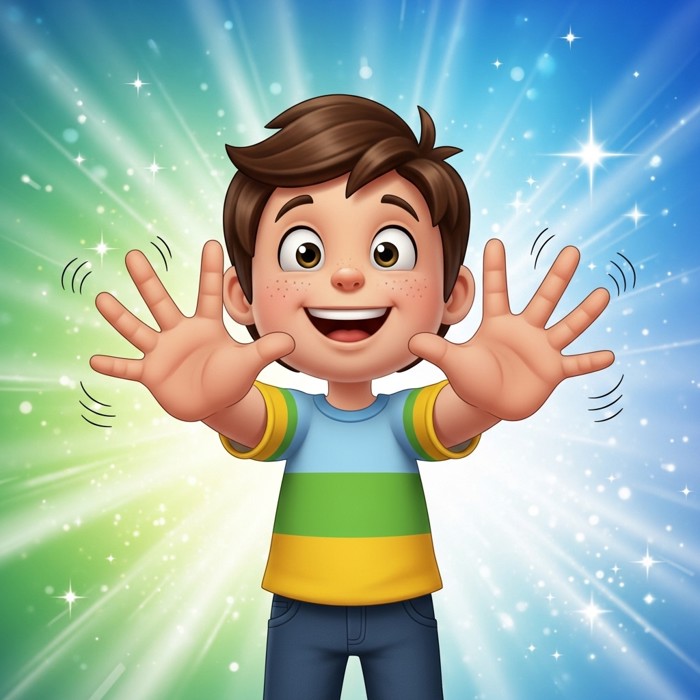
Why We Have Two Hands
Why do we have two hands? Let's find out together! One hand is on your left side. The other is on your right side. Each hand has five fingers. Hands help you hold things. You can grab a cup with one h...
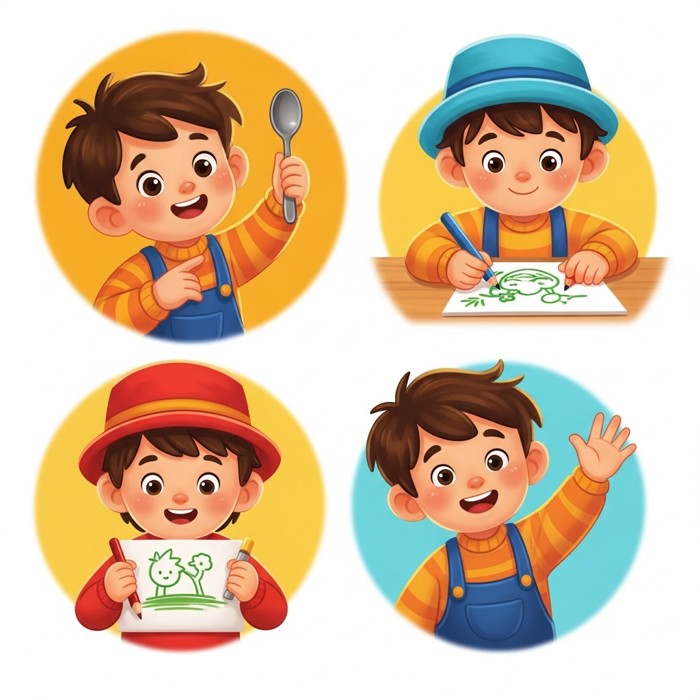
How We Use Our Hands
Look down at your two hands. We use them all day long! We use hands to hold a spoon. Hands help us eat our food. We use hands to draw a picture. Fingers hold a pencil with care. We use hands to open a...

How Your Heart Works
Put your hand on your chest. Do you feel a soft beat? That is your heart working hard. Your heart is a strong muscle. It is about the size of your fist. Your heart beats about once a second. Each beat...
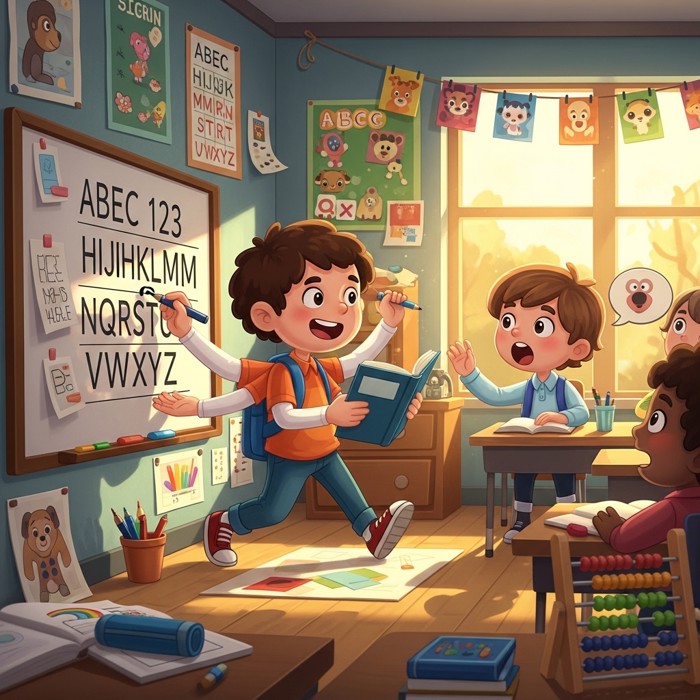
Parts of the Body We Use Daily
Some body parts work extra hard! We use them every single day. Your hands hold your toothbrush and cup. Your feet carry you to school. Your eyes read words in a book. Your ears listen to your teacher....

What Your Eyes Can Do
Have you ever thought about your eyes? They can do amazing things! Your eyes let you see the world. They see colors like red and blue. Your eyes see big things and small things. They see things far aw...
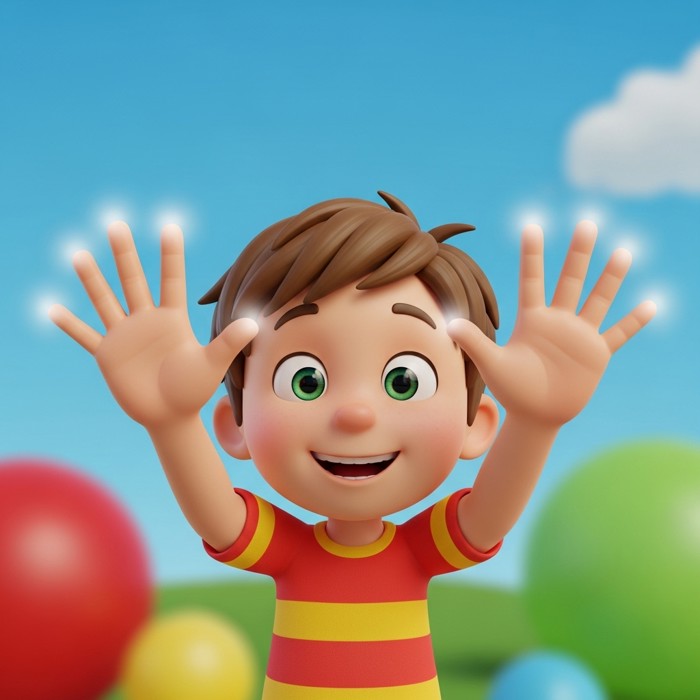
Why We Have Ten Fingers
Count your fingers right now! Most people have ten fingers. Five fingers are on each hand. Fingers help you hold small things. You can pick up a tiny bead. Ten fingers help you count numbers. You can...
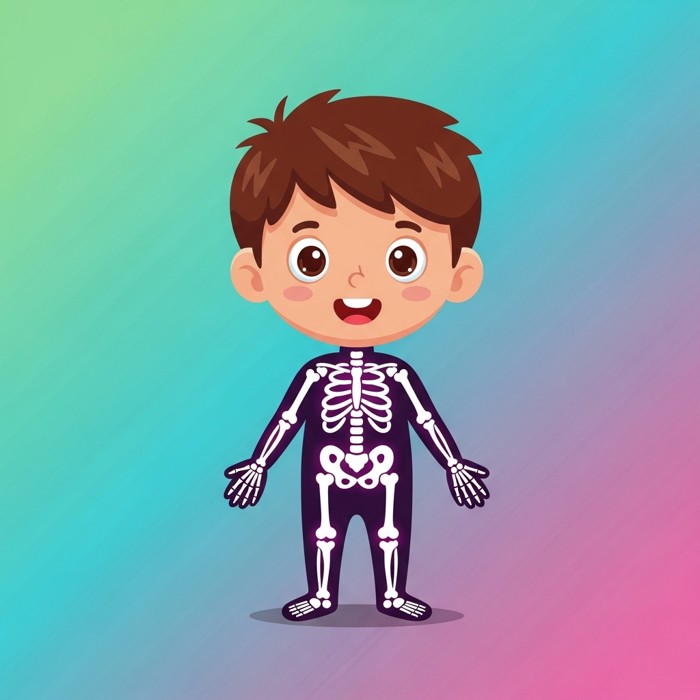
Bones Inside Your Body
Feel your arm with your other hand. Do you feel something hard inside? That is a bone under your skin. Bones live inside your whole body. Adults have about two hundred bones. Babies are born with even...

How We Smell Things
Take a big sniff right now! What can you smell nearby? Your nose helps you smell things. Smells float in the air around you. Your nose pulls the air inside. Tiny parts inside catch the smell. They sen...
Story levels
- Level 1: 16 stories
Key Vocabulary
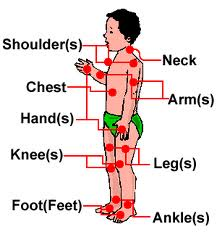 Body (n) The physical structure, including the bones, flesh, and organs, of a person or an animal.UK: ˈbɒdiUS: ˈbɑːdiLearn more
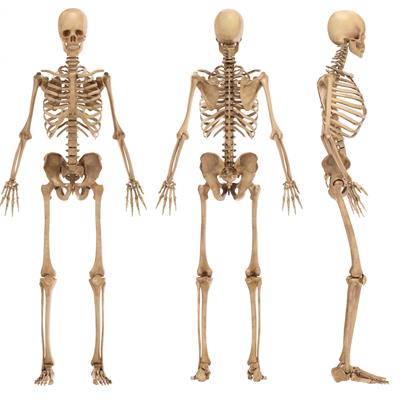 Bones (n) Any of the pieces of hard whitish tissue making up the skeleton in humans and other vertebrates.UK: bəʊnzUS: boʊnzLearn more
 Bored (adj) Feeling weary and impatient because one is unoccupied or lacks interest in one's current activity.UK: bɔːdUS: bɔːrdLearn more
 Breath (n) The air taken into or expelled from the lungs.UK: breθUS: breθLearn more
 Carry (v) Support and move (someone or something) from one place to another.UK: ˈkæriUS: ˈkæriLearn more
 Clap (v) Strike the palms of (one's hands) together repeatedly, typically in order to applaud someone or something.UK: klæpUS: klæpLearn more
 Daily (adj) Done, produced, or occurring every day or every weekday.UK: ˈdeɪliUS: ˈdeɪliLearn more
 Danger (n) The possibility of suffering harm or injury.UK: ˈdeɪndʒə(r)US: ˈdeɪndʒərLearn more
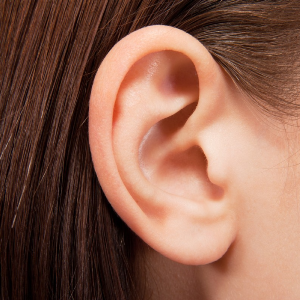 Ears (n) Ears; hearing, ability to hearUK: ɪəzUS: ɪrzLearn more
 Energy (n) The strength and vitality required for sustained physical or mental activity.UK: ˈenədʒiUS: ˈenərdʒiLearn more
 Exercise (n) Activity requiring physical effort, carried out to sustain or improve health and fitness.UK: ˈeksəsaɪzUS: ˈeksərsaɪzLearn more
 Eyes (n) Each of a pair of globular organs of sight in the head of humans and vertebrate animals.UK: aɪzUS: aɪzLearn more
Related topics
 FoodFood is a topic that helps learners learn about different foods, dishes, drinks, and ways to describe tastes. It is a familiar and useful topic for everyday situations such as eating, cooking, and ordering food.
 TravelTravel is a topic that helps learners talk about trips, destinations, transportation, and activities while traveling. It is useful for discussing travel plans, experiences, and places they have visited.
 FamilyFamily is a topic that helps learners learn vocabulary about family members and their relationships. It is a familiar and useful topic for talking about family, relatives, and everyday life.
 Daily RoutinesDaily Routines is a topic that helps learners talk about activities they do every day, such as waking up, having breakfast, going to school, or going to work. It is a familiar and useful topic for practicing how to describe daily schedules and everyday life.
 HomeHome is a topic that helps learners learn about rooms, household items, and activities that happen at home. It is a familiar and useful topic for describing a home, living spaces, and family life.
 Numbers & TimeNumbers & Time is a topic that helps learners practice numbers, telling the time, dates, and periods of time. These are essential vocabulary and skills for everyday communication.
 Information TechnologyInformation Technology (IT) is a topic that helps learners learn about computers, the Internet, software, and digital technologies. It is useful for talking about technology, work, communication, and how we use digital devices in everyday life.
 EducationEducation is a topic that helps learners talk about schools, subjects, teachers, and learning activities. It is a familiar and useful topic for discussing study, classrooms, and educational experiences.
 Workplace EnvironmentWorkplace Environment is a topic that helps learners talk about the workplace, coworkers, company culture, and activities at work. It is useful for communicating in professional settings and describing everyday work experiences.
 AnimalsAnimals is a topic that helps learners learn about the names, characteristics, and habitats of different animals. It is an interesting and familiar topic that helps learners expand their vocabulary and describe the natural world.
Love reading stories?
Join Ettip to practise with fun games, track your progress, and keep learning every day.