
Leaves
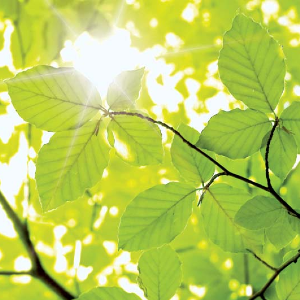
Meaning
A flattened structure of a higher plant, typically green and blade-like, that is attached to a stem directly or via a stalk. leaves are the main organs of photosynthesis and transpiration.
Pronunciation
UK liːvz
US liːvz
Example Sentences
- The cheesecake included ingredients such as buffalo ricotta, white truffle, and gold leaves.
- Noodles, few mint leaves, chopped vegetables, and lettuce are placed on thin wraps and then is rolled.
- This dish is flavored with Cinnamon, Tamarind sauce, and sugar, topped with roasted peanuts and bay leaves, [it's] made with coconut milk, potatoes, and chicken or tofu for vegetarians.
- Giraffes eat leaves from tall trees and sometimes fruit, which they can reach because of their long legs and long necks.
- When the female is close to giving birth, it leaves the group for a time to give birth to its offspring, and comes back 2-3 weeks after her baby is born.
- Seasons also play a role in the flavors of [kimchi] - refreshing cucumber [kimchi] is popular in spring and summer, while winter kimchis may contain radish and mustard leaves.
- It leaves a doughnut-shaped piece of dough and a doughnut hole from dough removed from the center.
- Elephants love to eat grass, fruits, and leaves.
- Giraffes have long necks to reach leaves in tall trees.
- Giraffes eat leaves, flowers, and fruits.
Learn Leaves in Context
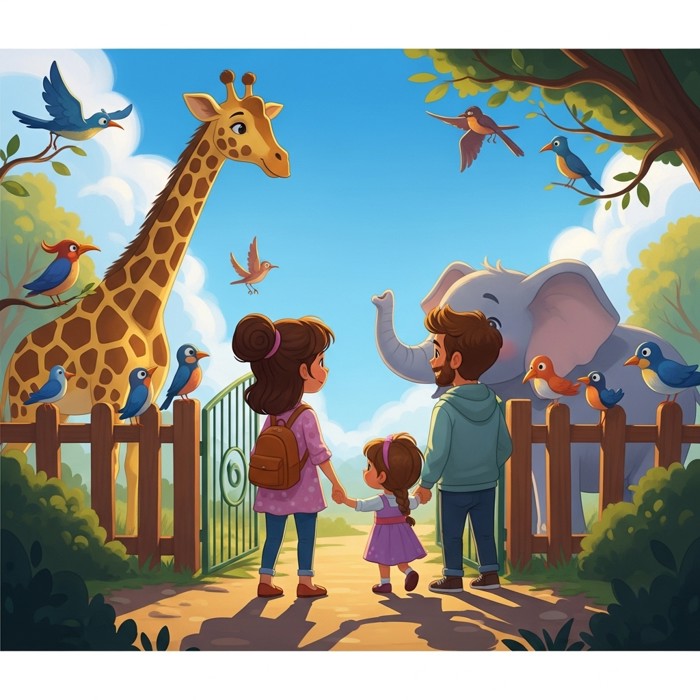 A Visit to the ZooHave you ever seen a giraffe eat a leaf? A zoo is a great place to see animals. Many animals live at the zoo. Some animals come from far away. Elephants are very big and strong. They have long noses c...Read story
 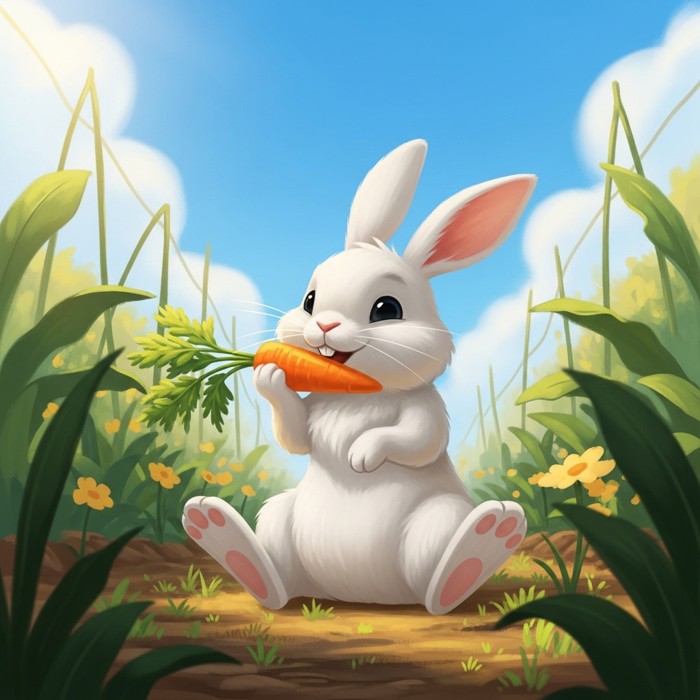 My Rabbit Likes CarrotsDo you know what a rabbit loves to eat? My rabbit loves carrots. He eats one carrot every day. Carrots are orange and sweet. My rabbit is white and very soft. He has long ears and big eyes. He hops ar...Read story
 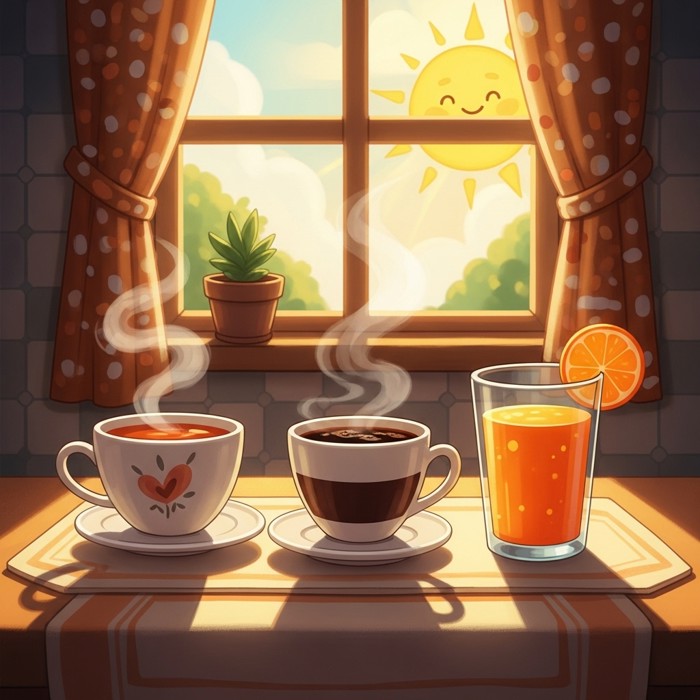 Tea, Coffee, and JuiceDo you like hot drinks or cold drinks? There are three great drinks: tea, coffee, and juice. Tea comes from leaves. The leaves grow on small trees. Coffee comes from small beans. People dry and cook t...Read story
Explore more
Practice Leaves
Read, listen, and practise using “Leaves” in fun stories and activities.