Vocabulary about Transportation
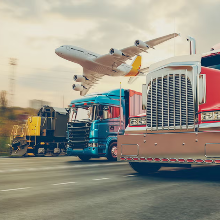
Transportation is a topic that helps learners learn about different means of transport, such as cars, motorbikes, buses, trains, and airplanes. It is useful for talking about travel, traffic, and everyday journeys.
Vocabulary about Transportation
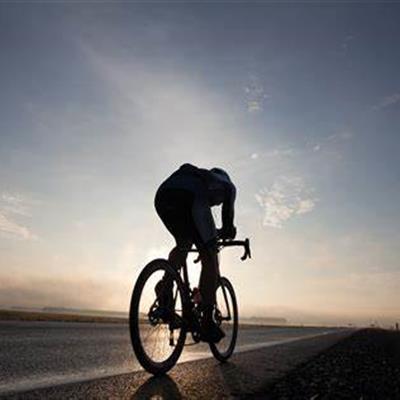 Ride (n) Sit on and control the movement of (an animal, typically a horse).UK: raɪdUS: raɪdLearn more
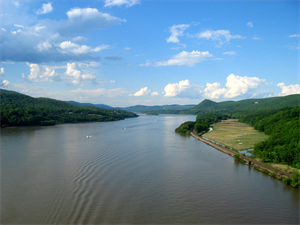 River (n) A large natural stream of water flowing in a channel to the sea, a lake, or another river.UK: ˈrɪvə(r)US: ˈrɪvərLearn more
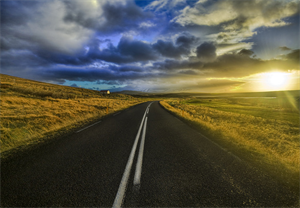 Road (n) A wide way leading from one place to another, especially one with a specially prepared surface which vehicles can use.UK: rəʊdUS: roʊdLearn more
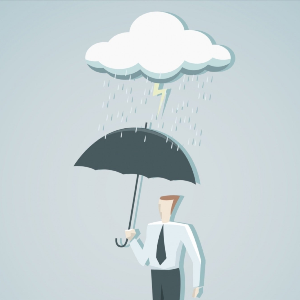 Safe (adj) Protected from or not exposed to danger or risk; not likely to be harmed or lost.UK: seɪfUS: seɪfLearn more
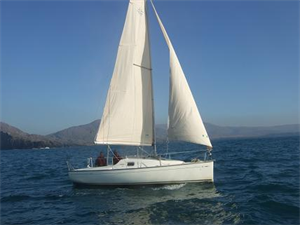 Sail (n) A piece of material extended on a mast to catch the wind and propel a boat or ship or other vessel.UK: seɪlUS: seɪlLearn more
 Seat (n) A thing made or used for sitting on, such as a chair or stool.UK: siːtUS: siːtLearn more
 Security (n) The state of being free from danger or threat.UK: sɪˈkjʊərətiUS: sɪˈkjʊrətiLearn more
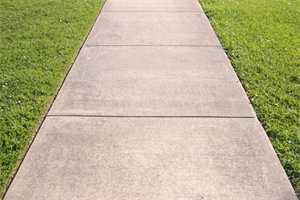 Sidewalk (n) A paved path for pedestrians at the side of a road; a pavement.UK: ˈsaɪdwɔːkUS: ˈsaɪdwɔːkLearn more
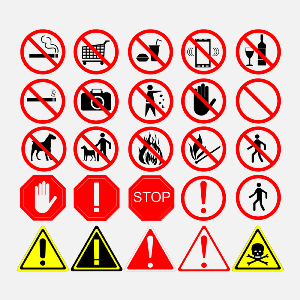 Signs (n) (sometimes also used uncountably) a visible indicationUK: saɪnzUS: saɪnzLearn more
 Snack (n) A small amount of food eaten between meals.UK: snækUS: snækLearn more
 Station (n) A place on a railway line where trains regularly stop so that passengers can get on or off.UK: ˈsteɪʃnUS: ˈsteɪʃnLearn more
 Stop (n) (of an event, action, or process) come to an end; cease to happen.UK: stɒpUS: stɑːpLearn more
Read Transportation in stories
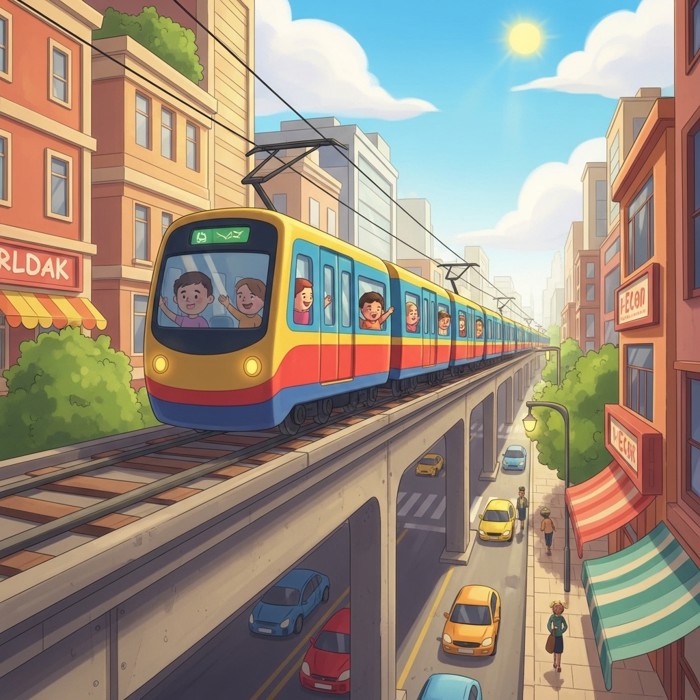
A Train Across the City
Have you ever seen a train go by very fast? Trains carry many people across the city every day. City trains run on tracks. They stop at many stations. You can get on and off at each stop. In the morni...
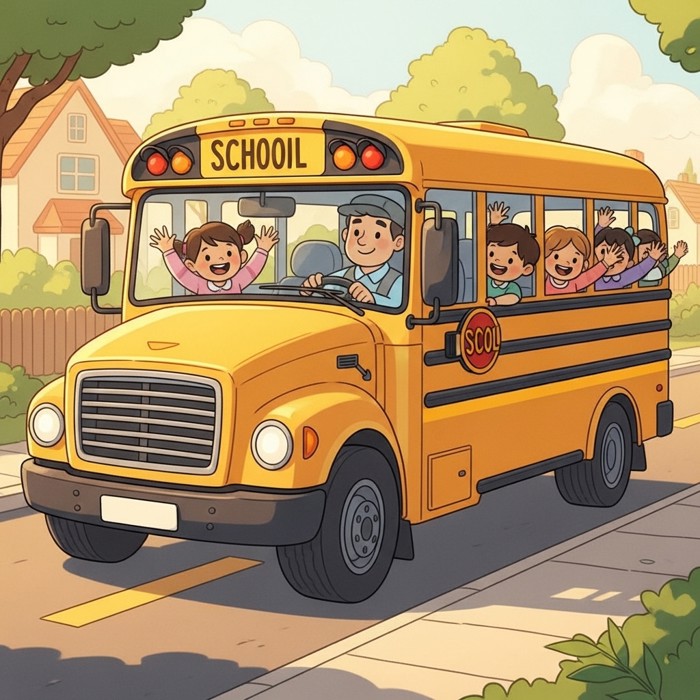
Taking the Bus to School
Do you ride the bus to school? The bus is big and yellow! Students wait at the bus stop. The bus comes at the same time each day. You get on the bus and find a seat. Some students pay with money. Some...
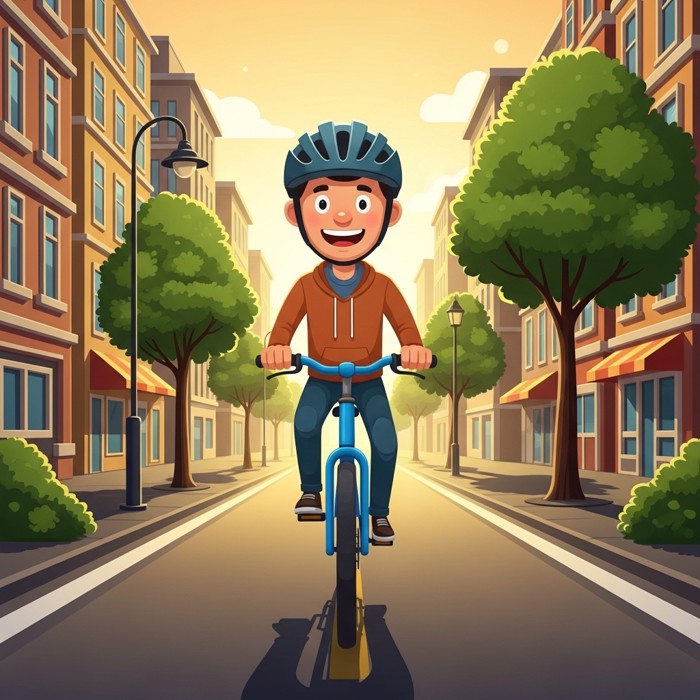
A Bike Ride to Work
A bike is faster than a car! [Tom] rides his bike to work every day. He wakes up early and puts on his helmet. He checks his bike tires before he goes. The roads are busy in the morning. But [Tom] rid...
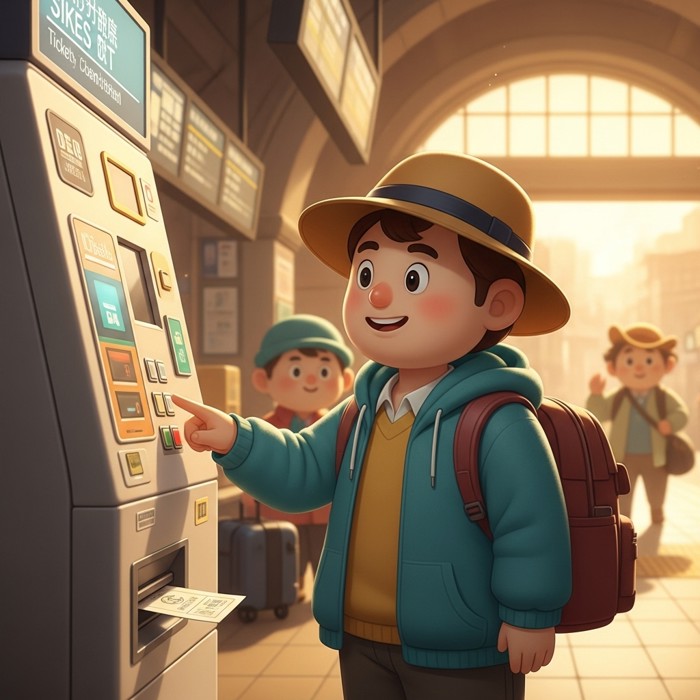
How to Buy a Ticket
Do you want to go somewhere new? You need a ticket to travel. First, go to the ticket machine or the ticket counter. Look at the screen or ask the worker. Choose where you want to go. Pick the right t...
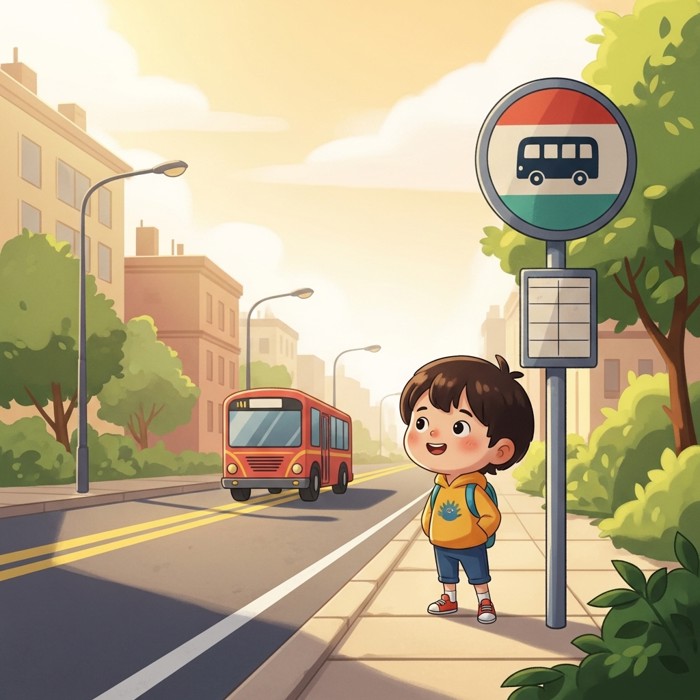
Waiting at the Bus Stop
Do you ever wait for a bus? A bus stop is a place where you wait for a bus. There is a sign at the bus stop. The sign shows the bus number. You look at the sign to find your bus. Some bus stops have a...
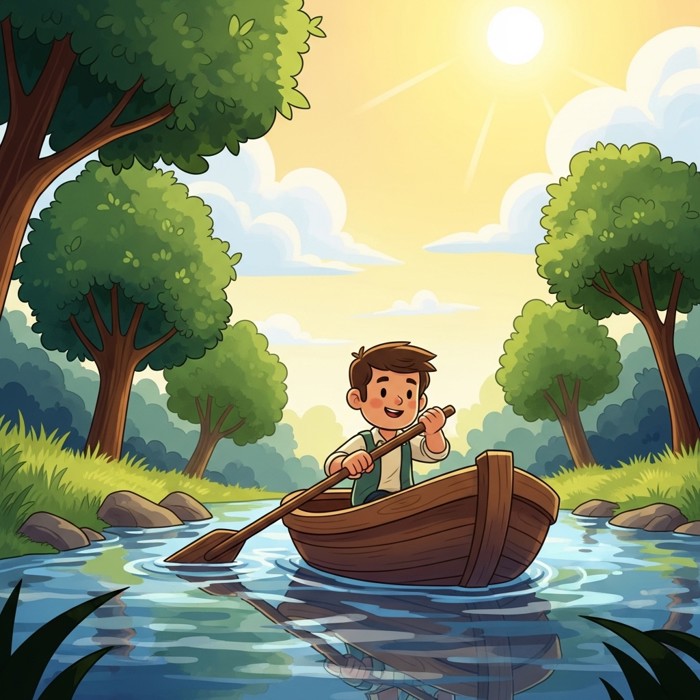
A Boat on the River
Look at that boat on the river! It goes slowly on the calm, blue water. The boat is small and made of wood. A man sits inside and uses a paddle. He moves the paddle left and right. The boat moves acro...
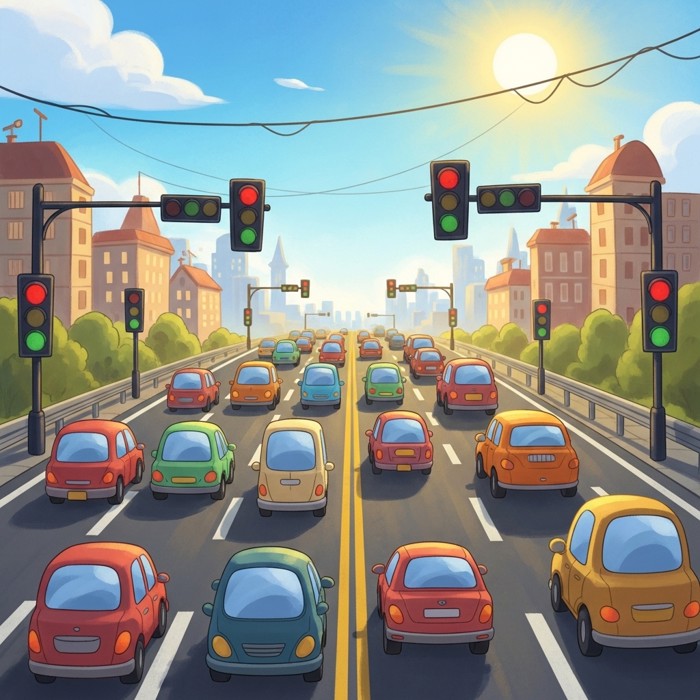
Cars on a Busy Road
Look at the road! So many cars are there. Cars come in many colors. Some cars are red. Some cars are big. Cars move fast on the road. Drivers stop at red lights. They go at green lights. Sometimes car...
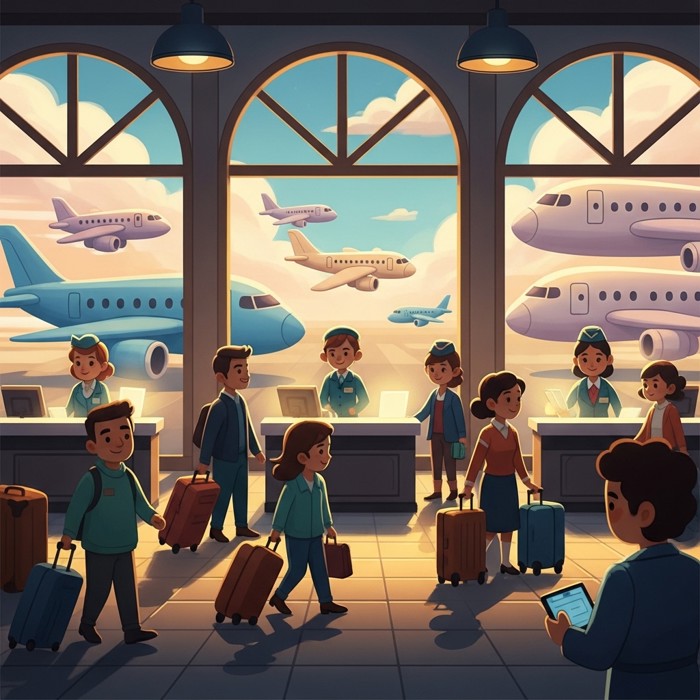
The Airport Is Very Busy
The airport is a very busy place. Many people go there to travel by plane. The airport has a big hall inside. People wait in long lines at the check-in desk. They give their bags to the airline staff....
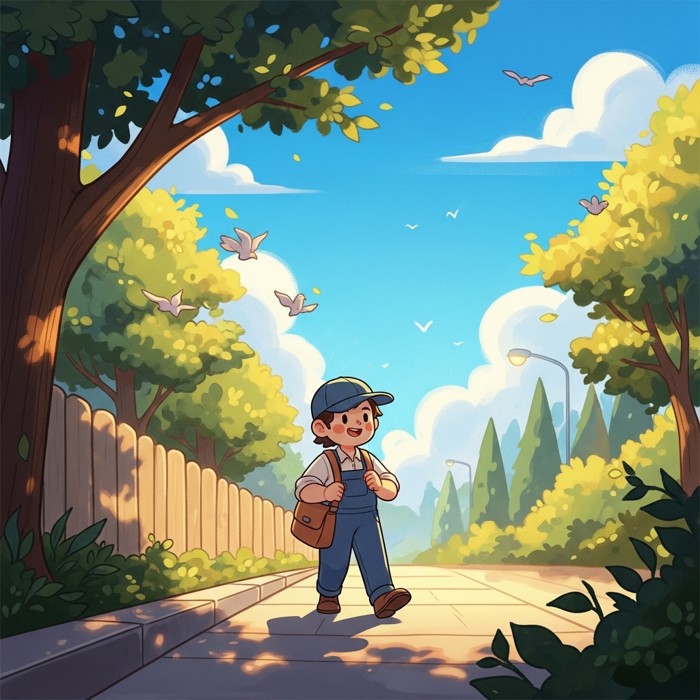
Why People Walk to Work
Every day, some people walk to work. They do not take a bus or a car. Walking is good for the body. It makes you strong. You also feel happy after a walk. Walking can help you sleep at night. Walking...
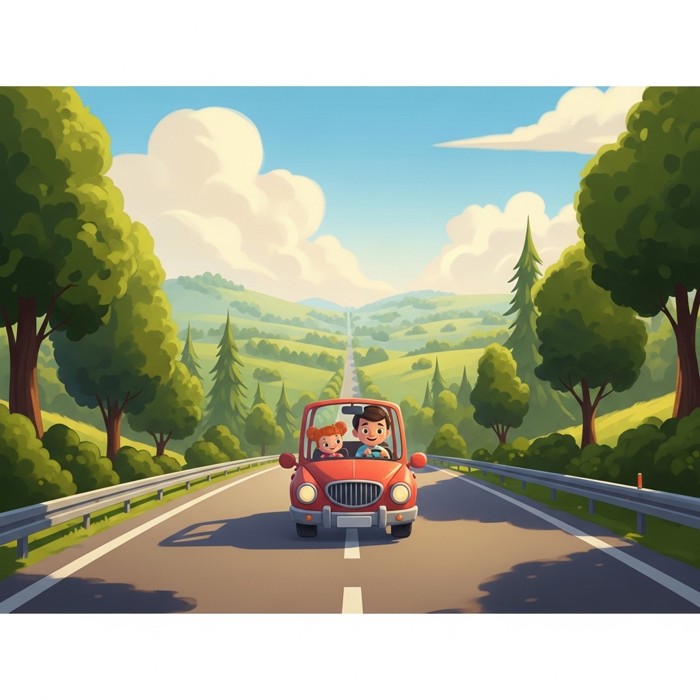
A Long Drive Home
Today is a long day in the car. The family is going home. Dad drives on a big road. Mom looks at the map on her phone. The kids look out the window. They see green trees and tall hills. The car stops...
Related topics
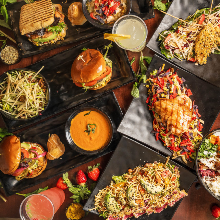 FoodFood is a topic that helps learners learn about different foods, dishes, drinks, and ways to describe tastes. It is a familiar and useful topic for everyday situations such as eating, cooking, and ordering food.
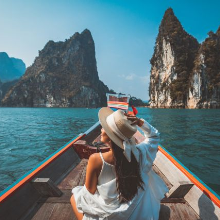 TravelTravel is a topic that helps learners talk about trips, destinations, transportation, and activities while traveling. It is useful for discussing travel plans, experiences, and places they have visited.
 FamilyFamily is a topic that helps learners learn vocabulary about family members and their relationships. It is a familiar and useful topic for talking about family, relatives, and everyday life.
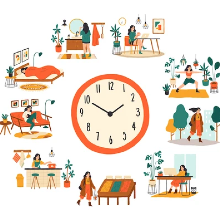 Daily RoutinesDaily Routines is a topic that helps learners talk about activities they do every day, such as waking up, having breakfast, going to school, or going to work. It is a familiar and useful topic for practicing how to describe daily schedules and everyday life.
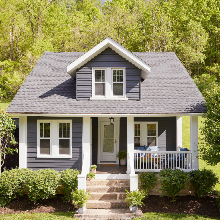 HomeHome is a topic that helps learners learn about rooms, household items, and activities that happen at home. It is a familiar and useful topic for describing a home, living spaces, and family life.
 Numbers & TimeNumbers & Time is a topic that helps learners practice numbers, telling the time, dates, and periods of time. These are essential vocabulary and skills for everyday communication.
 Information TechnologyInformation Technology (IT) is a topic that helps learners learn about computers, the Internet, software, and digital technologies. It is useful for talking about technology, work, communication, and how we use digital devices in everyday life.
 EducationEducation is a topic that helps learners talk about schools, subjects, teachers, and learning activities. It is a familiar and useful topic for discussing study, classrooms, and educational experiences.
 Workplace EnvironmentWorkplace Environment is a topic that helps learners talk about the workplace, coworkers, company culture, and activities at work. It is useful for communicating in professional settings and describing everyday work experiences.
 AnimalsAnimals is a topic that helps learners learn about the names, characteristics, and habitats of different animals. It is an interesting and familiar topic that helps learners expand their vocabulary and describe the natural world.