
A Day Beside the Sea
- English level
- Level 2
- Topic
- The Ocean
- Estimated reading time
- 2 mins
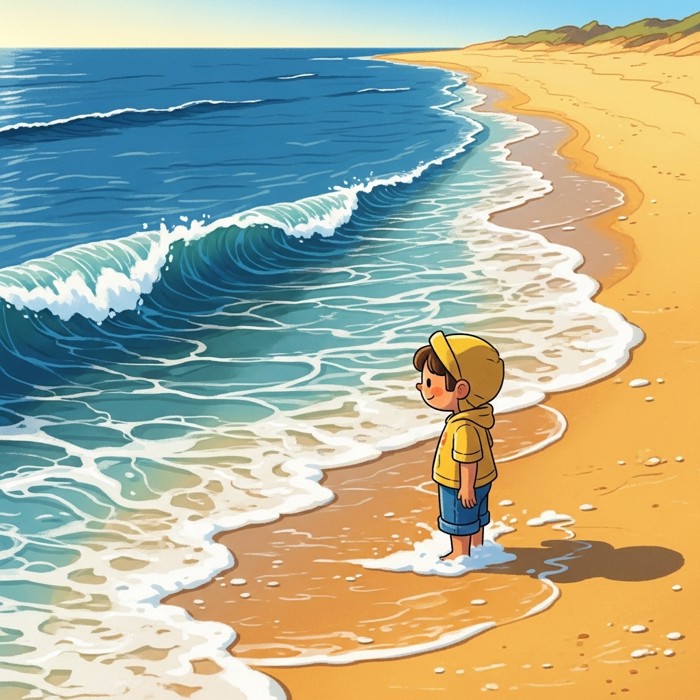
The sound of the waves washed over me the moment I reached the shore.
I had always lived far from the sea, so this was a special day for me.
The water stretched all the way to the horizon, blue and endless under the morning sun.
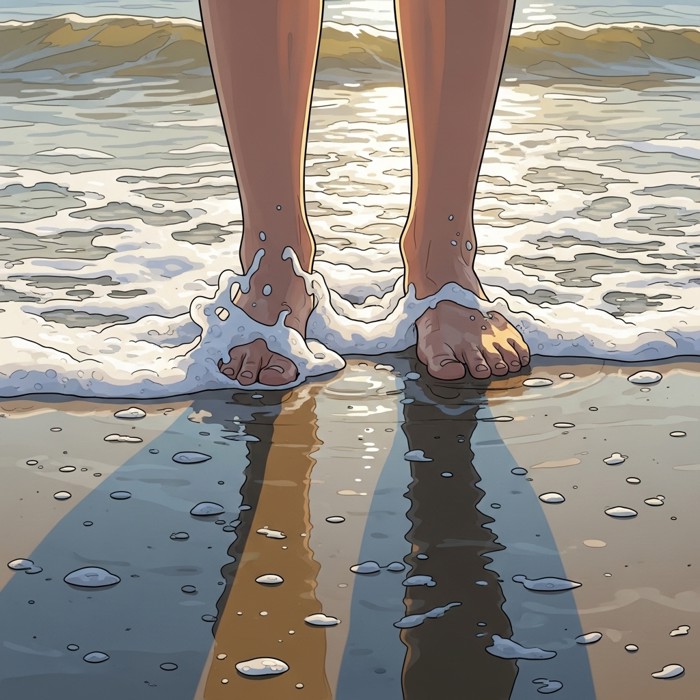
I stood at the edge of the beach and let the cold foam run over my feet.
The salt in the air was strong and fresh, and I breathed in slowly.
Seabirds circled above me, calling out in sharp, clear voices.
I walked along the sand and noticed small shells scattered near the waterline.
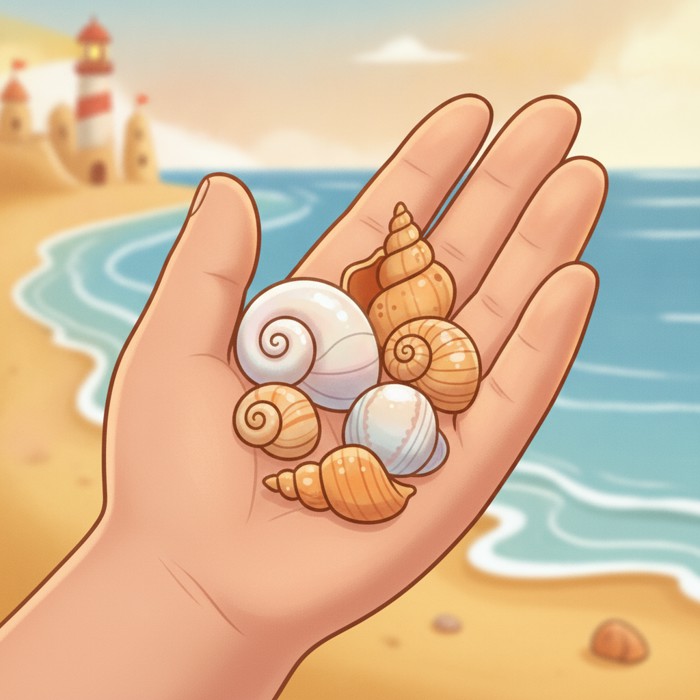
Some shells were smooth and white, while others were rough and twisted into strange shapes.
I found a group of tide pools between the rocks, where tiny crabs and fish moved in the shallow water.
The [ocean's] surface changed colour as the clouds passed overhead - from deep blue to soft grey.
In the distance, a large ship moved slowly across the water, almost too far to see clearly.
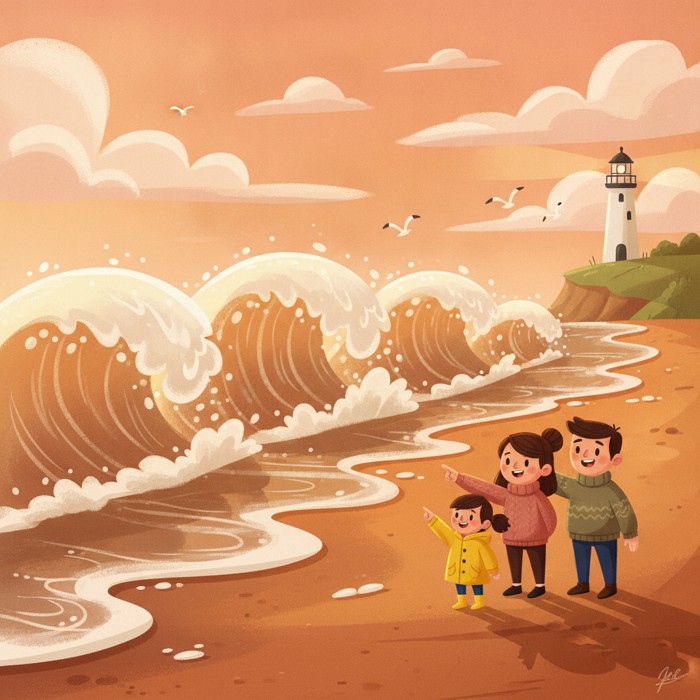
As the afternoon went on, the waves grew stronger and the sound became louder.
I sat on the sand and watched the sun drop lower towards the sea.
The sky turned orange and pink as the sun began to set behind the water.
I realised that the ocean is one of the most powerful and beautiful places on Earth.
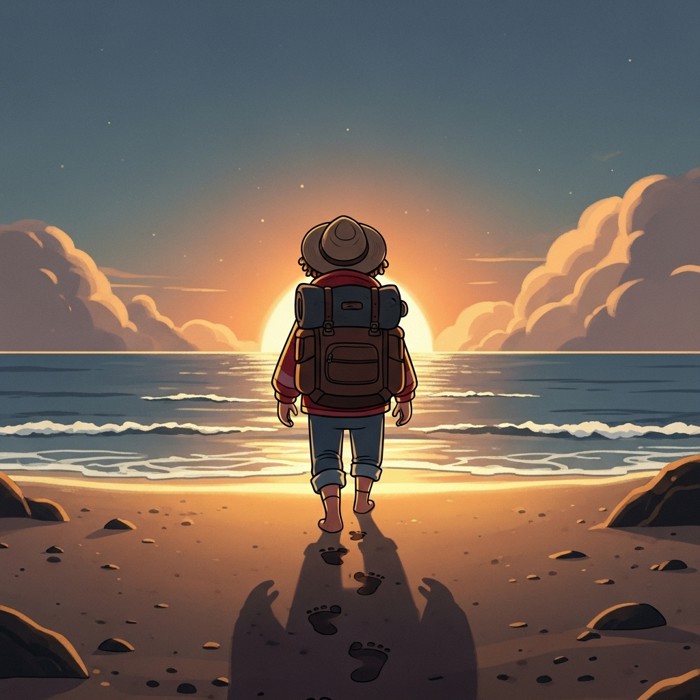
A day beside the sea had reminded me how important it is to slow down and notice the world.
Key Vocabulary
 Distance (n) The length of the space between two points.UK: ˈdɪstənsUS: ˈdɪstənsLearn more
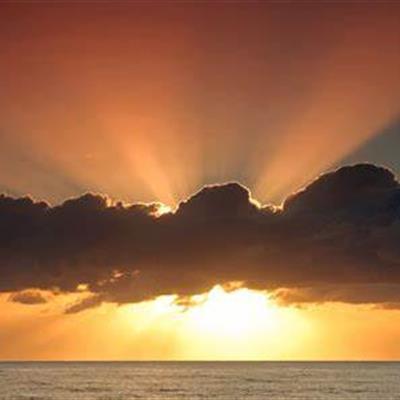 Horizon (n) The line at which the earth's surface and the sky appear to meet.UK: həˈraɪznUS: həˈraɪznLearn more
 Scattered (adj) Spread out over a wide area in an irregular or untidy wayUK: /ˈskætəd/US: /ˈskætərd/Learn more
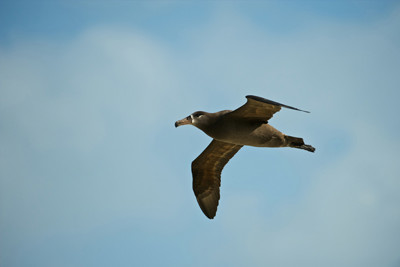 Seabirds (n) Birds that live near the sea and get their food from the seaUK: /ˈsiːbɜːdz/US: /ˈsiːbɜːrdz/Learn more
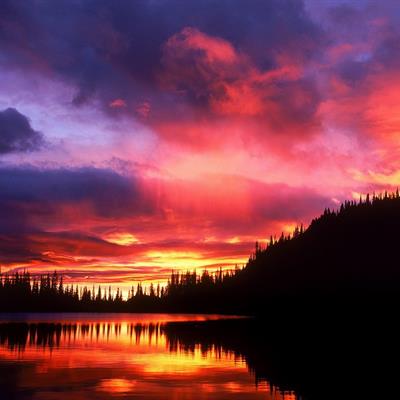 Sunset (n) The time in the evening when the sun disappears or daylight fades.UK: ˈsʌnsetUS: ˈsʌnsetLearn more
 Surface (n) The outside part or uppermost layer of something.UK: ˈsɜːfɪsUS: ˈsɜːrfɪsLearn more
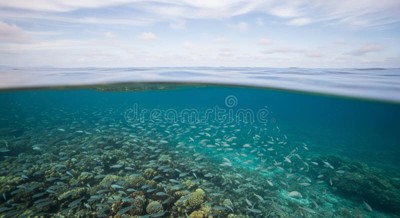 Waterline (n) The level to which the surface of water reaches on the side of a ship or boatUK: /ˈwɔːtəlaɪn/US: /ˈwɔːtərlaɪn/Learn more

Practice This Story
Continue learning with Ettip's stories and vocabulary challenges.
More English Stories About The Ocean
Five Animals That Live Deep Underwater
The deep ocean is one of the least explored places on our planet. Scientists believe more than 80 percent of the ocean floor remains unknown to us. One of the most famous deep-sea animals is the angle...
How Oceans Shape Life on Earth
More than seventy percent of our planet is covered by ocean. The ocean is a living system that shapes all life on Earth. Oceans produce more than half of the oxygen we breathe. Tiny plants called phyt...
How Waves Change the Shore
Waves never stop moving, and neither does the shore. Every day, waves push and pull sand, rocks, and water along the coastline. This constant movement slowly changes the shape of beaches and cliffs. W...
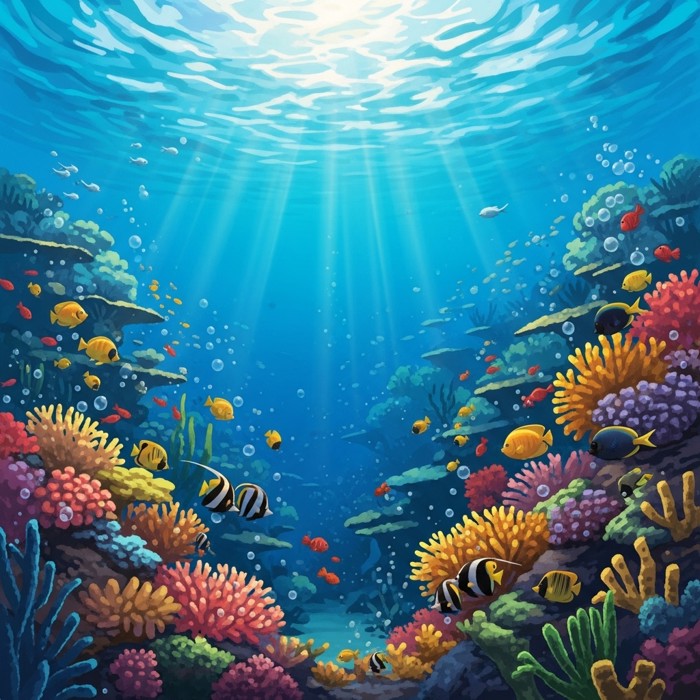
Why Coral Reefs Need Protection
Coral reefs cover less than one percent of the ocean floor, but they support about 25 percent of all marine life. These colorful underwater structures are some of the most important ecosystems on Eart...
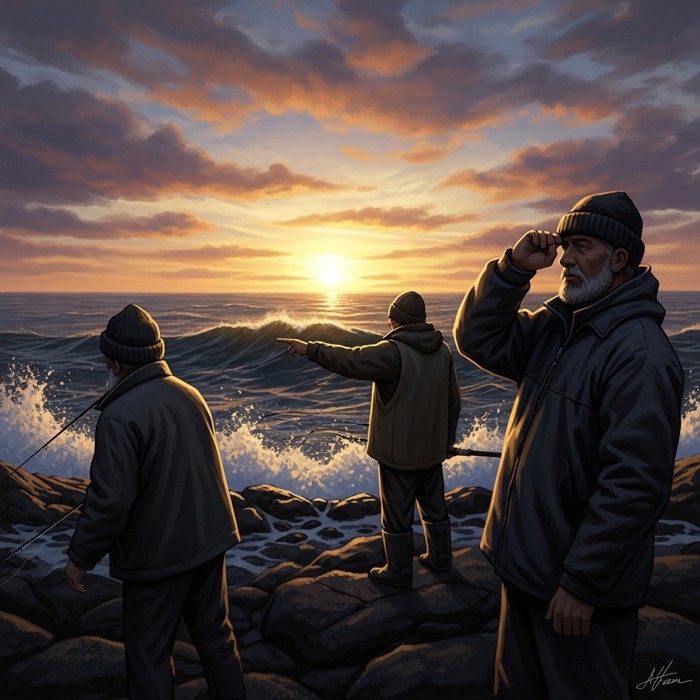
How Fishers Read the Ocean
Before sunrise, fishers stand at the shore and watch the ocean carefully. They are not just looking at water - they are reading signs that most people never notice. Experienced fishers can predict whe...
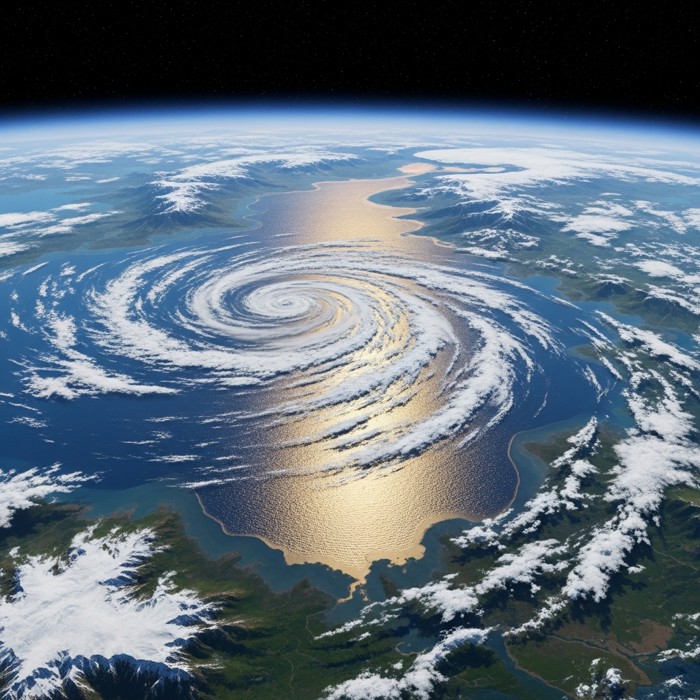
The Journey of Water Around Earth
The ocean covers more than seventy percent of Earth, and it drives one of the most important cycles in nature. Water is always moving - from the sea into the sky and back down to the ground again. Whe...
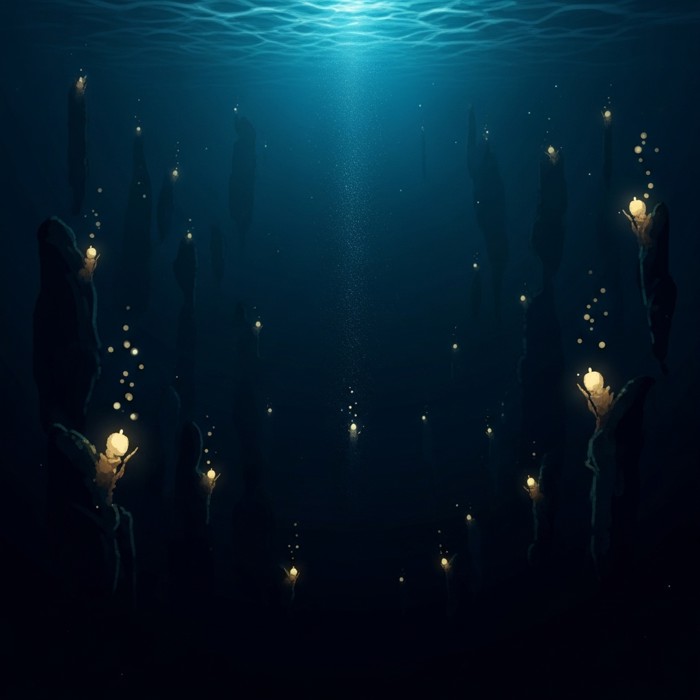
What Makes the Deep Ocean Mysterious?
The deep ocean covers more than half of Earth's surface, yet most of it remains completely unknown. Scientists have explored less than twenty percent of the ocean floor. The deeper you go, the darker...
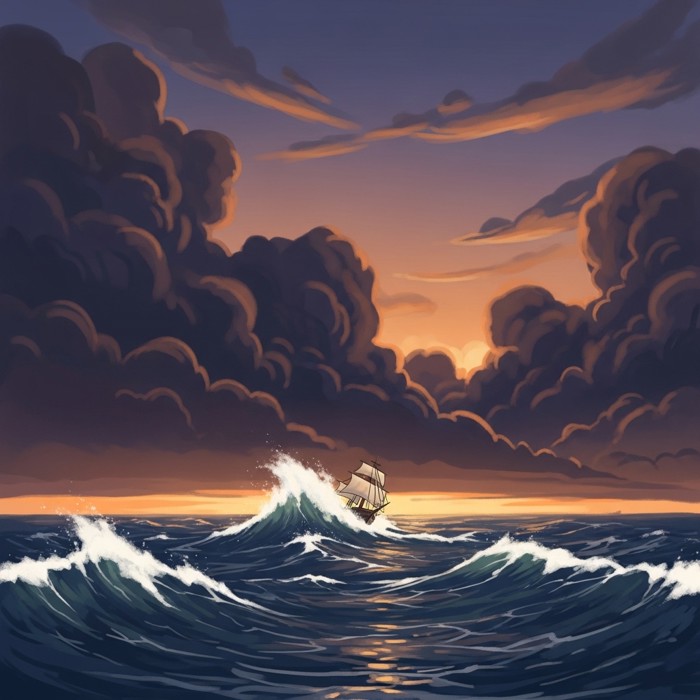
When Storms Begin at Sea
The sky turns a deep orange, and experienced sailors know something is coming. At sea, storms do not appear suddenly - they begin with quiet warnings. Warm air and cold air meet over the ocean, and th...
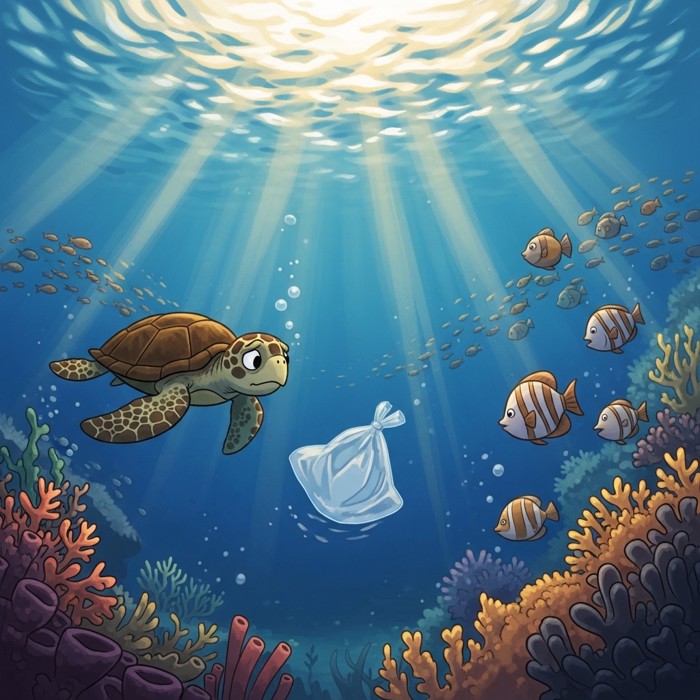
Why Plastic Hurts Sea Life
Every year, millions of tons of plastic enter the ocean. This plastic causes serious harm to sea life around the world. Plastic bags, bottles, and nets drift through the water for hundreds of years. S...
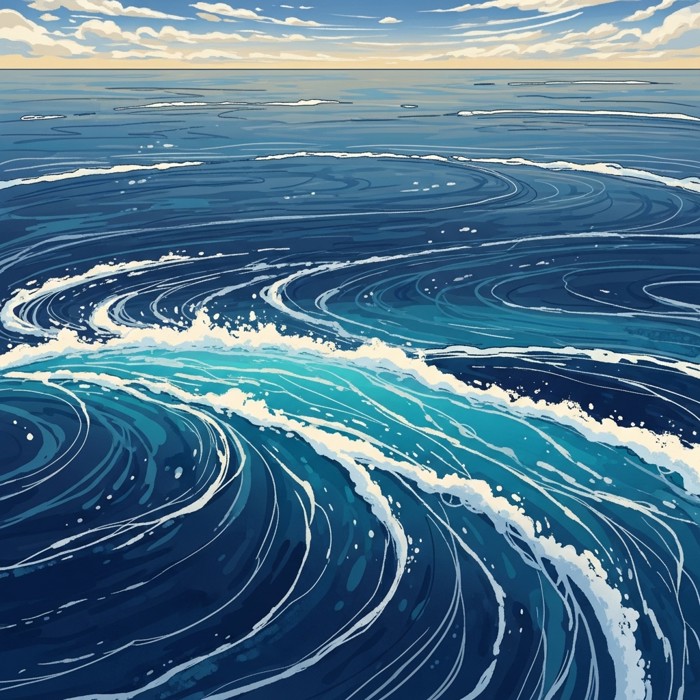
A Simple Look at Ocean Currents
Ocean currents move billions of tons of water around the world every single day. These currents act like a giant circulation system that keeps our [planet's] climate balanced. A current is a large, fl...