
How Waves Change the Shore
- English level
- Level 2
- Topic
- The Ocean
- Estimated reading time
- 2 mins
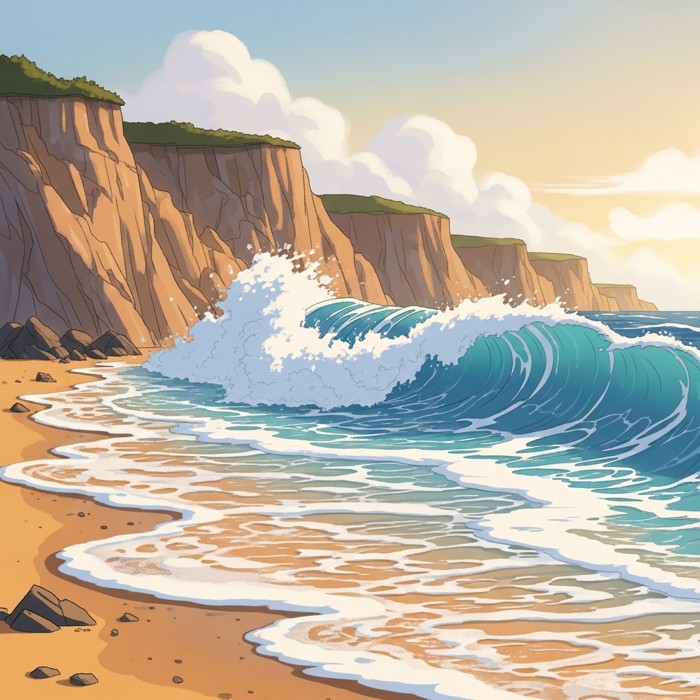
Waves never stop moving, and neither does the shore.
Every day, waves push and pull sand, rocks, and water along the coastline.
This constant movement slowly changes the shape of beaches and cliffs.
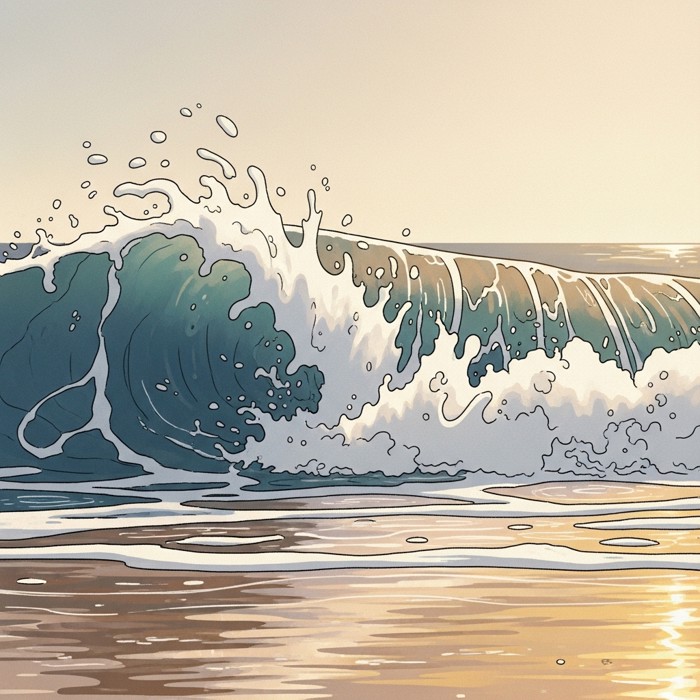
When a wave crashes onto the beach, it carries energy from the ocean.
That energy breaks rocks apart and moves sand from one place to another.
Over time, this process wears away coastal cliffs in a process called erosion.
Erosion can remove large amounts of rock and sand from a shoreline each year.
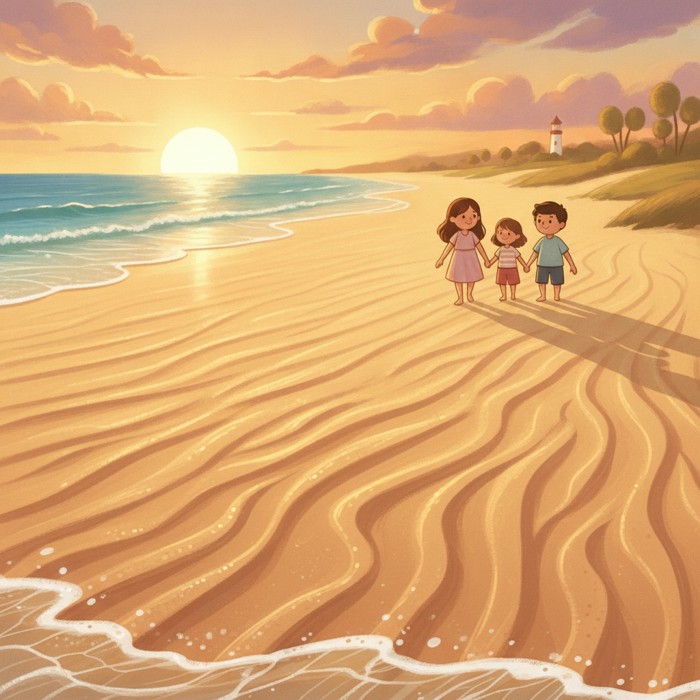
At the same time, waves also deposit sand in new areas.
This deposited sand builds up beaches, sandbars, and barrier islands.
Strong storms bring much bigger waves that can reshape a beach in just one night.
After a storm, a beach may look completely different from how it looked before.
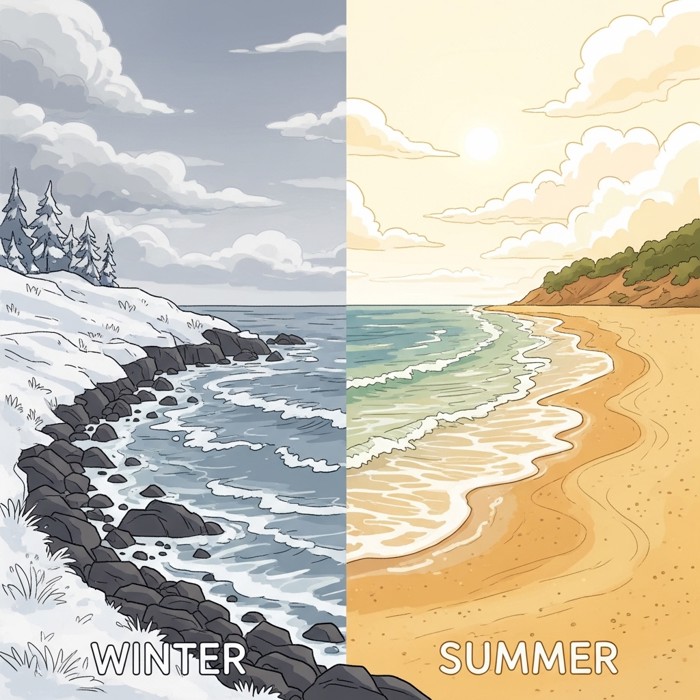
Seasonal changes also affect the shore, as winter waves tend to be stronger and remove more sand.
In summer, calmer waves return sand to the beach and rebuild it.
These natural processes have shaped coastlines for millions of years.
The shore is always changing, shaped by the endless power of the sea.
Key Vocabulary
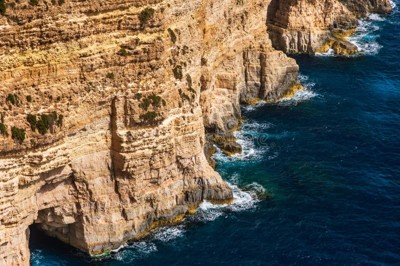 Cliffs (n) Steep rocks, often at the edge of the sea or ocean, that rise vertically or almost verticallyUK: /klɪfs/US: /klɪfs/Learn more
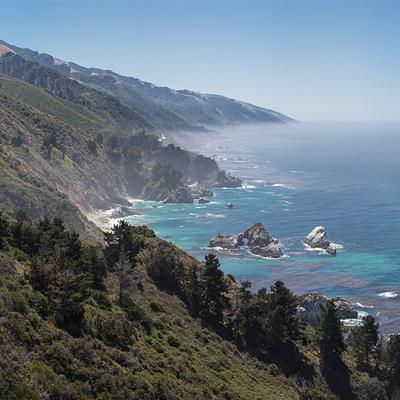 Coastline (n) The land along a coast.UK: ˈkəʊstlaɪnUS: ˈkəʊstlaɪnLearn more
 Deposit (v) A sum of money paid into a bank or building society account.UK: dɪˈpɒzɪtUS: dɪˈpɑːzɪtLearn more
 Reshape (v) To change the shape or form of something, or to change the way something is organized or plannedUK: /ˌriːˈʃeɪp/US: /ˌriːˈʃeɪp/Learn more
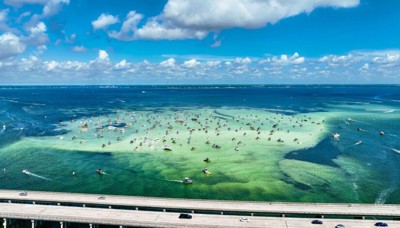 Sandbars (n) These are long, low ridges of sand that are built up in a river or sea by the action of currentsUK: /ˈsændbɑːz/US: /ˈsændbɑːrz/Learn more
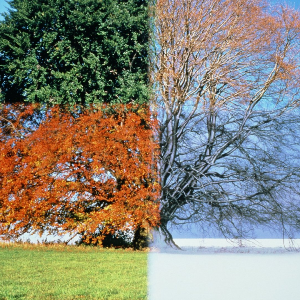 Seasonal (adj) Relating to or characteristic of a particular season of the year.UK: ˈsiːzənlUS: ˈsiːzənlLearn more
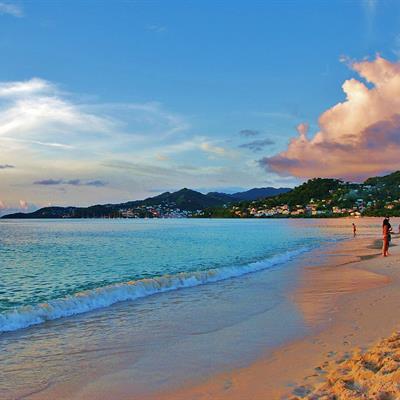 Shore (n) The land along the edge of a sea, lake, or other large body of water.UK: ʃɔː(r)US: ʃɔːrLearn more
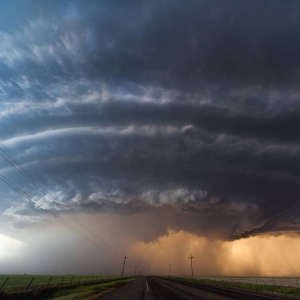 Storms (n) Storms, thunderstorms; rain (bullet, bomb,...)UK: stɔːmzUS: stɔrmzLearn more
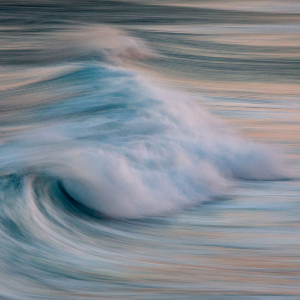 Waves (n) The women's section of the us naval reserve, established in 1942, or, since 1948, of the us navy.UK: weɪvzUS: weɪvzLearn more

Practice This Story
Continue learning with Ettip's stories and vocabulary challenges.
More English Stories About The Ocean
Five Animals That Live Deep Underwater
The deep ocean is one of the least explored places on our planet. Scientists believe more than 80 percent of the ocean floor remains unknown to us. One of the most famous deep-sea animals is the angle...
How Oceans Shape Life on Earth
More than seventy percent of our planet is covered by ocean. The ocean is a living system that shapes all life on Earth. Oceans produce more than half of the oxygen we breathe. Tiny plants called phyt...
A Day Beside the Sea
The sound of the waves washed over me the moment I reached the shore. I had always lived far from the sea, so this was a special day for me. The water stretched all the way to the horizon, blue and en...
Why Coral Reefs Need Protection
Coral reefs cover less than one percent of the ocean floor, but they support about 25 percent of all marine life. These colorful underwater structures are some of the most important ecosystems on Eart...
How Fishers Read the Ocean
Before sunrise, fishers stand at the shore and watch the ocean carefully. They are not just looking at water - they are reading signs that most people never notice. Experienced fishers can predict whe...
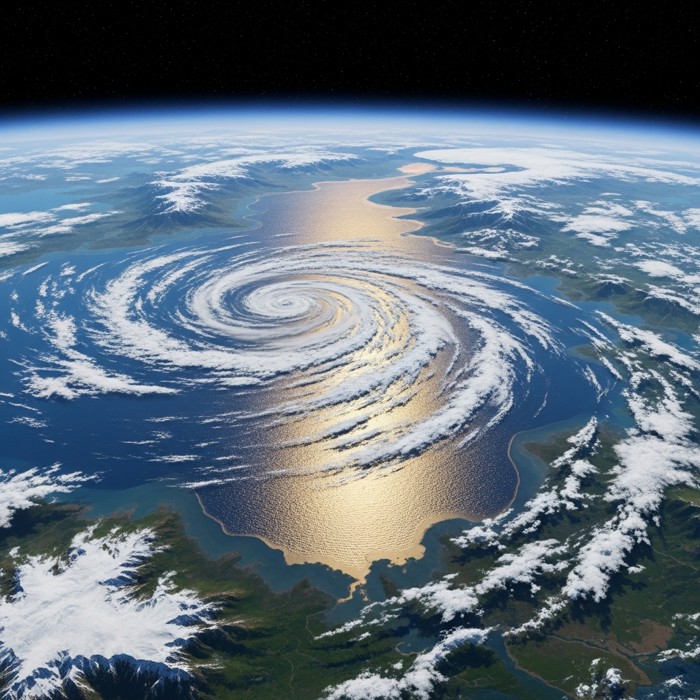
The Journey of Water Around Earth
The ocean covers more than seventy percent of Earth, and it drives one of the most important cycles in nature. Water is always moving - from the sea into the sky and back down to the ground again. Whe...
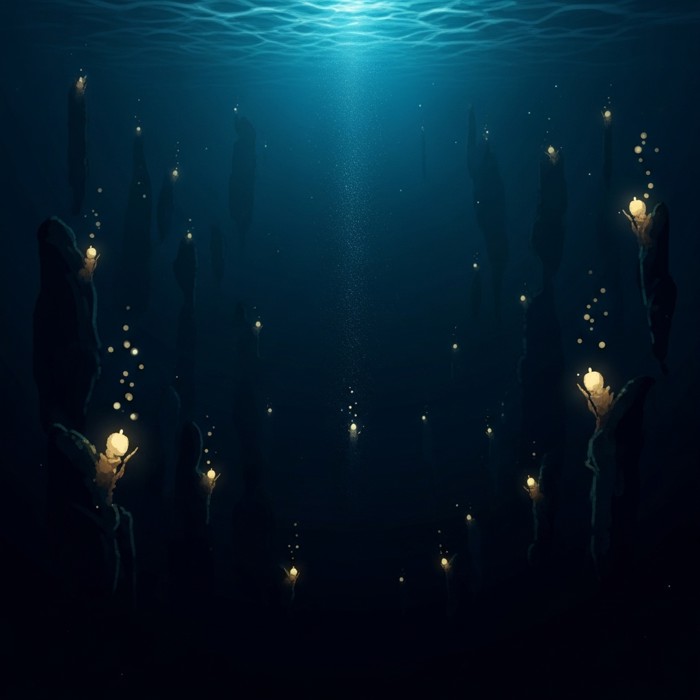
What Makes the Deep Ocean Mysterious?
The deep ocean covers more than half of Earth's surface, yet most of it remains completely unknown. Scientists have explored less than twenty percent of the ocean floor. The deeper you go, the darker...
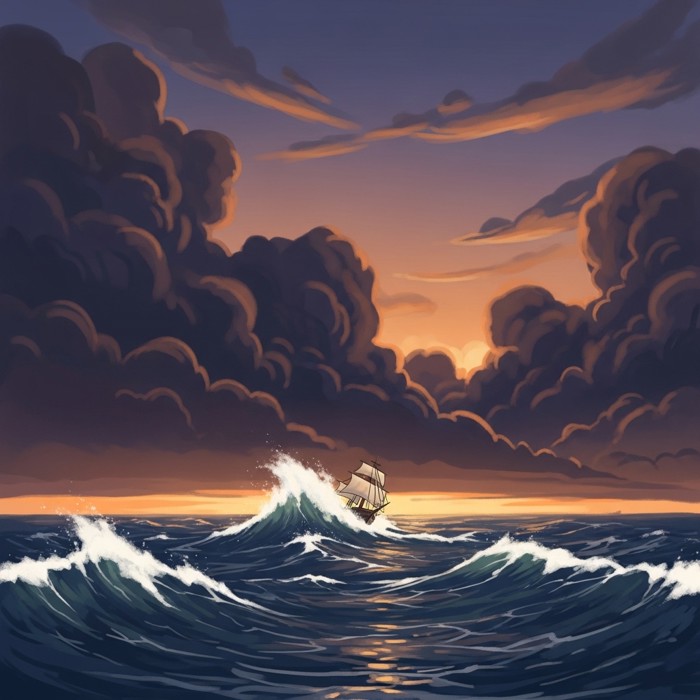
When Storms Begin at Sea
The sky turns a deep orange, and experienced sailors know something is coming. At sea, storms do not appear suddenly - they begin with quiet warnings. Warm air and cold air meet over the ocean, and th...
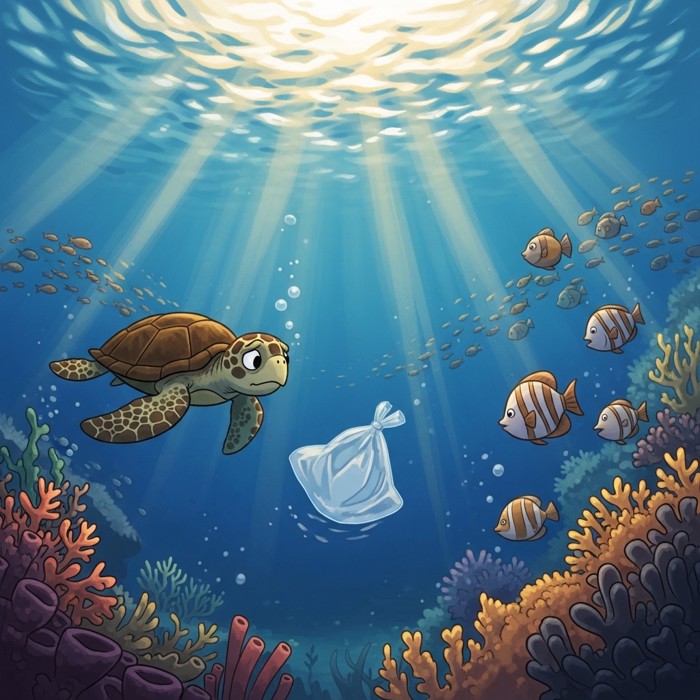
Why Plastic Hurts Sea Life
Every year, millions of tons of plastic enter the ocean. This plastic causes serious harm to sea life around the world. Plastic bags, bottles, and nets drift through the water for hundreds of years. S...
A Simple Look at Ocean Currents
Ocean currents move billions of tons of water around the world every single day. These currents act like a giant circulation system that keeps our [planet's] climate balanced. A current is a large, fl...