
A Simple Look at Ocean Currents
- English level
- Level 2
- Topic
- The Ocean
- Estimated reading time
- 2 mins
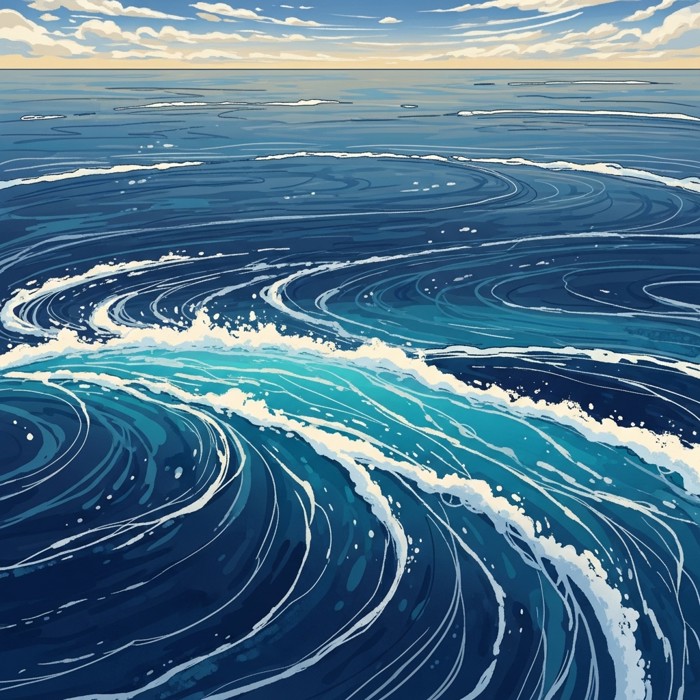
Ocean currents move billions of tons of water around the world every single day.
These currents act like a giant circulation system that keeps our [planet's] climate balanced.
A current is a large, flowing movement of water that travels in a regular path through the ocean.
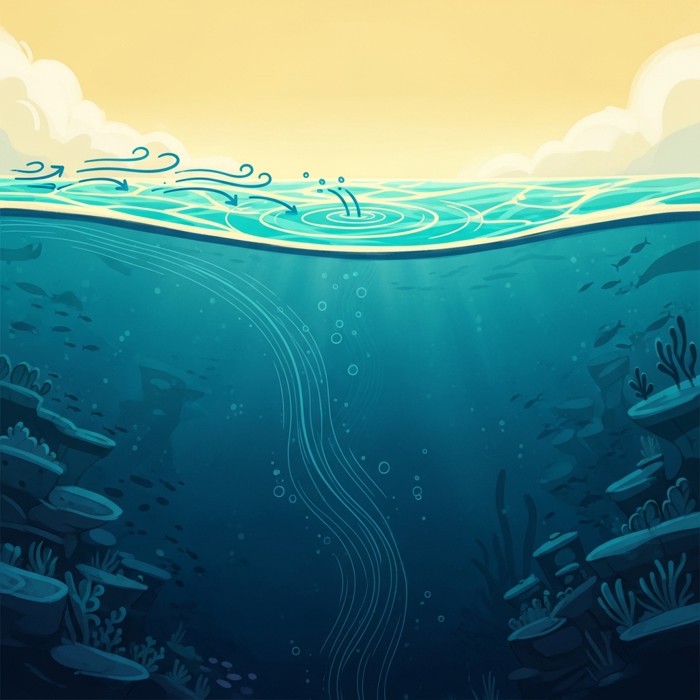
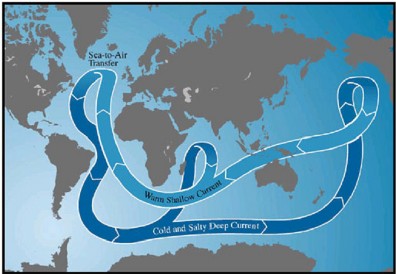
Surface currents are driven by wind, while deep currents are driven by temperature and salt differences.
Wind pushes the top layer of the ocean, creating surface currents that circle around each ocean basin.
Deep currents form when cold, salty water sinks to the ocean floor and slowly flows toward warmer regions.
Together, surface and deep currents create a global movement of water called the [thermohaline] circulation.
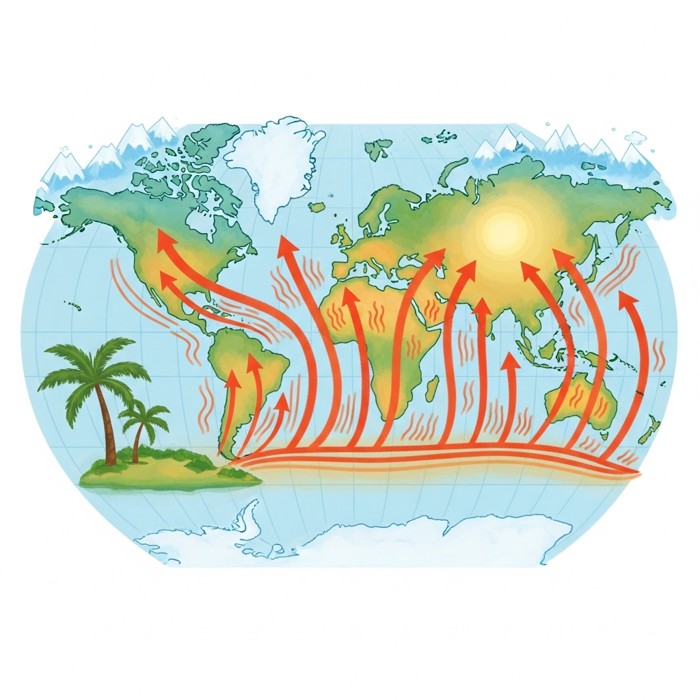
This system moves heat from the tropics toward the poles, warming land and air along the way.
The [Gulf Stream] is a well-known current that keeps Western Europe much warmer than it would otherwise be.
Currents carry nutrients from the deep ocean to the surface, where fish and sea creatures can feed.
Without these flows, many ocean areas would lack enough food to support much life.
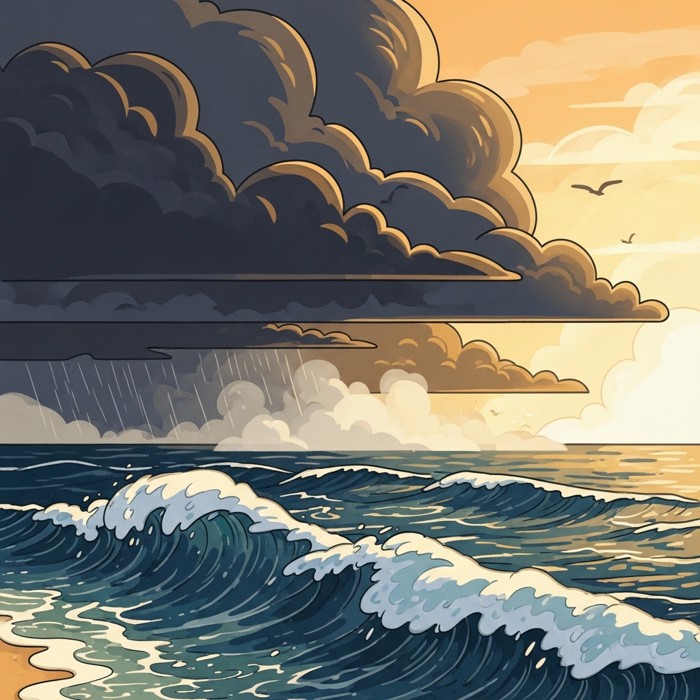
Currents affect weather patterns on land, influencing rainfall, temperature, and even the strength of storms.
However, climate change is slowing some currents by melting ice and reducing salt differences in the ocean.
A weaker circulation system could bring colder winters to some regions and disrupt fish populations across the globe.
Scientists are watching these changes carefully, because what happens in the ocean does not stay in the ocean.
Key Vocabulary
 Circulation (n) The passing or spreading of something from one person or place to another (money)UK: ˌsɜːkjəˈleɪʃnUS: ˌsɜːrkjəˈleɪʃnLearn more
 Currents (n) Continuous movements of water, air, or electricity flowing in a particular directionUK: /ˈkʌrənts/US: /ˈkɜːrənts/Learn more
 Disrupted (v) Having had an event, activity, or process interrupted, causing a disturbance or problemUK: /dɪsˈrʌptɪd/US: /dɪsˈrʌptɪd/Learn more
 Melting (adj) Becoming liquefied by heat.UK: ˈmeltɪŋUS: ˈmeltɪŋLearn more
 Nutrients (n) A source of nourishment, such as food, that can be metabolized by an organism to give energy and build tissueUK: ˈnjuːtrɪəntsUS: ˈnutriəntsLearn more
 Salinity (n) The amount of salt dissolved in a liquid, especially waterUK: /sæˈlɪnəti/US: /sæˈlɪnəti/Learn more
 Surface (n) The outside part or uppermost layer of something.UK: ˈsɜːfɪsUS: ˈsɜːrfɪsLearn more
 Temperature (n) The measurement in degrees of how hot or cold a thing or place isUK: ˈtemprətʃə(r)US: ˈtemprətʃərLearn more
 Thermohaline (adj) Relating to or involving the temperature and salinity of water, especially in the oceanUK: /ˌθɜːməʊˈheɪlaɪn/US: /ˌθɜːrmoʊˈheɪlaɪn/Learn more
 Tropics (n) Tropical (the area between those two latitudes, with a hot climate)UK: ˈtrɑp·ɪksUS: ˈtrɑpɪksLearn more

Practice This Story
Continue learning with Ettip's stories and vocabulary challenges.
More English Stories About The Ocean
Five Animals That Live Deep Underwater
The deep ocean is one of the least explored places on our planet. Scientists believe more than 80 percent of the ocean floor remains unknown to us. One of the most famous deep-sea animals is the angle...
How Oceans Shape Life on Earth
More than seventy percent of our planet is covered by ocean. The ocean is a living system that shapes all life on Earth. Oceans produce more than half of the oxygen we breathe. Tiny plants called phyt...
A Day Beside the Sea
The sound of the waves washed over me the moment I reached the shore. I had always lived far from the sea, so this was a special day for me. The water stretched all the way to the horizon, blue and en...
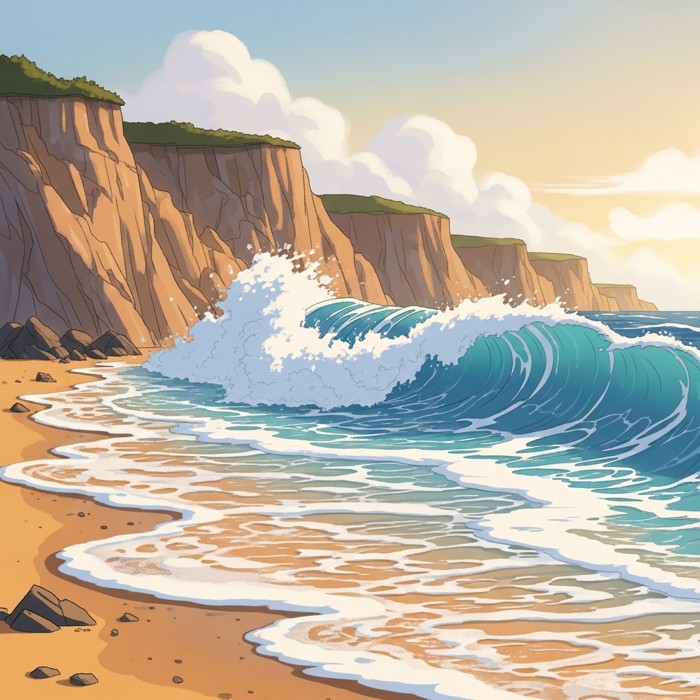
How Waves Change the Shore
Waves never stop moving, and neither does the shore. Every day, waves push and pull sand, rocks, and water along the coastline. This constant movement slowly changes the shape of beaches and cliffs. W...
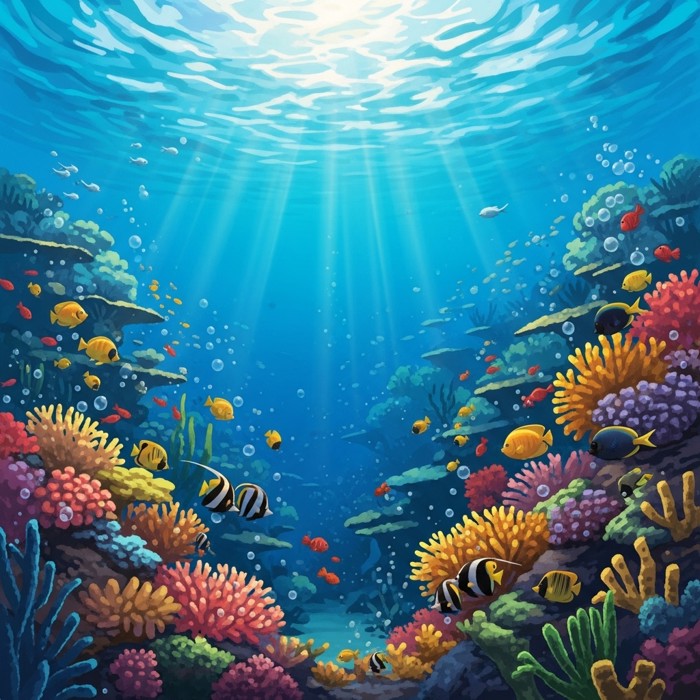
Why Coral Reefs Need Protection
Coral reefs cover less than one percent of the ocean floor, but they support about 25 percent of all marine life. These colorful underwater structures are some of the most important ecosystems on Eart...
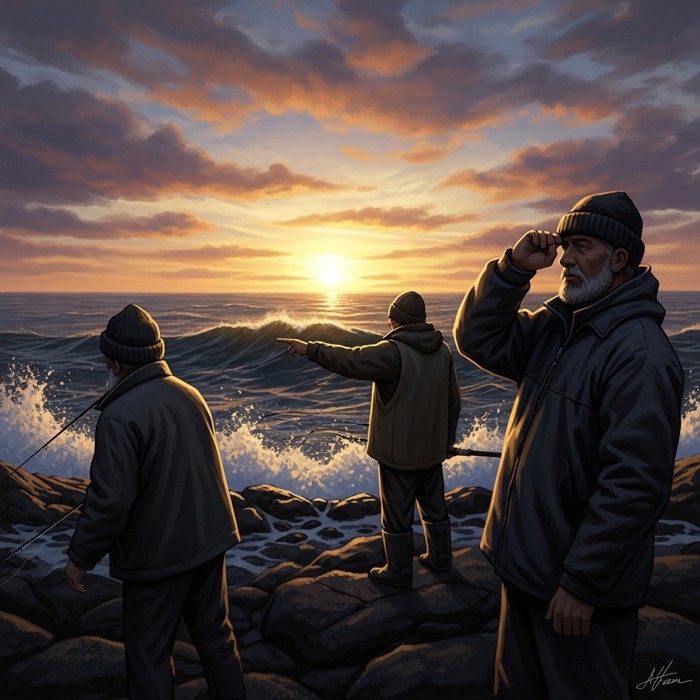
How Fishers Read the Ocean
Before sunrise, fishers stand at the shore and watch the ocean carefully. They are not just looking at water - they are reading signs that most people never notice. Experienced fishers can predict whe...
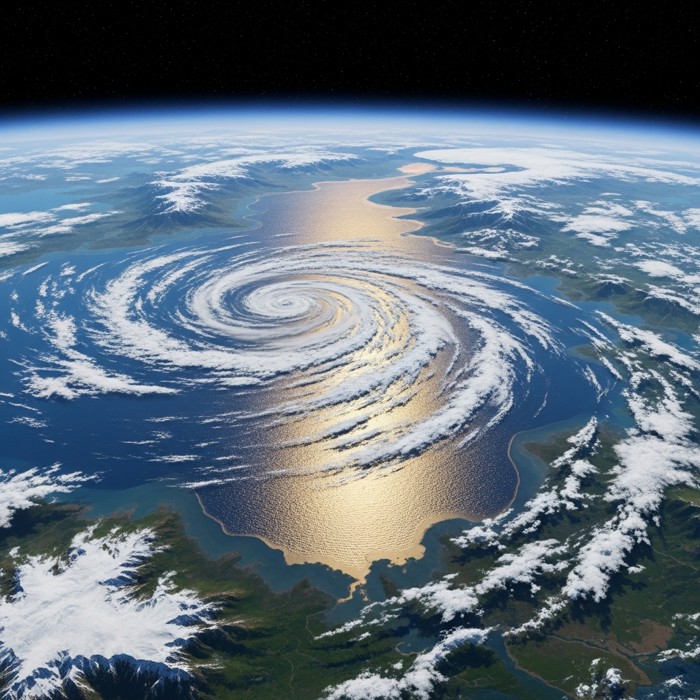
The Journey of Water Around Earth
The ocean covers more than seventy percent of Earth, and it drives one of the most important cycles in nature. Water is always moving - from the sea into the sky and back down to the ground again. Whe...
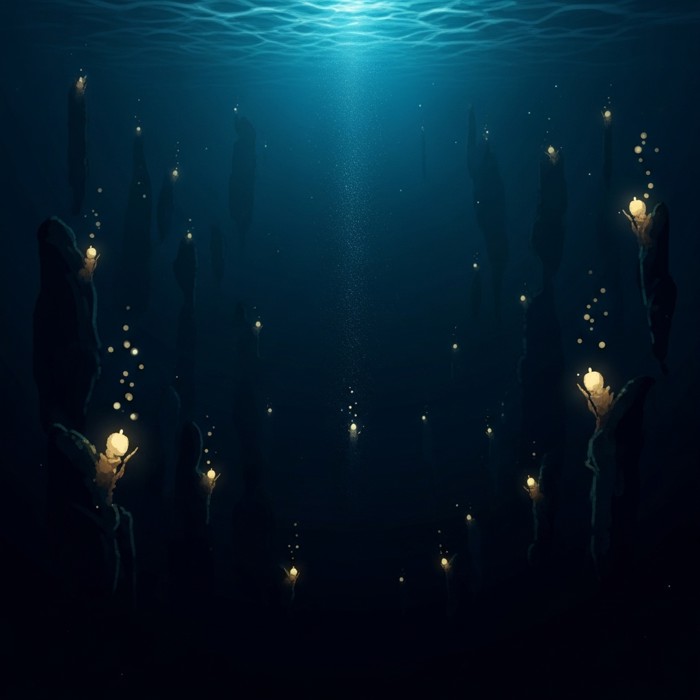
What Makes the Deep Ocean Mysterious?
The deep ocean covers more than half of Earth's surface, yet most of it remains completely unknown. Scientists have explored less than twenty percent of the ocean floor. The deeper you go, the darker...
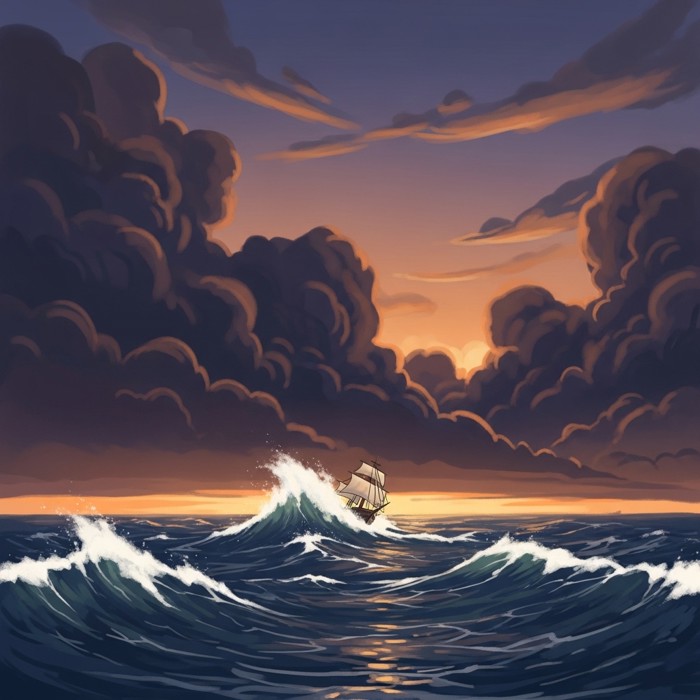
When Storms Begin at Sea
The sky turns a deep orange, and experienced sailors know something is coming. At sea, storms do not appear suddenly - they begin with quiet warnings. Warm air and cold air meet over the ocean, and th...
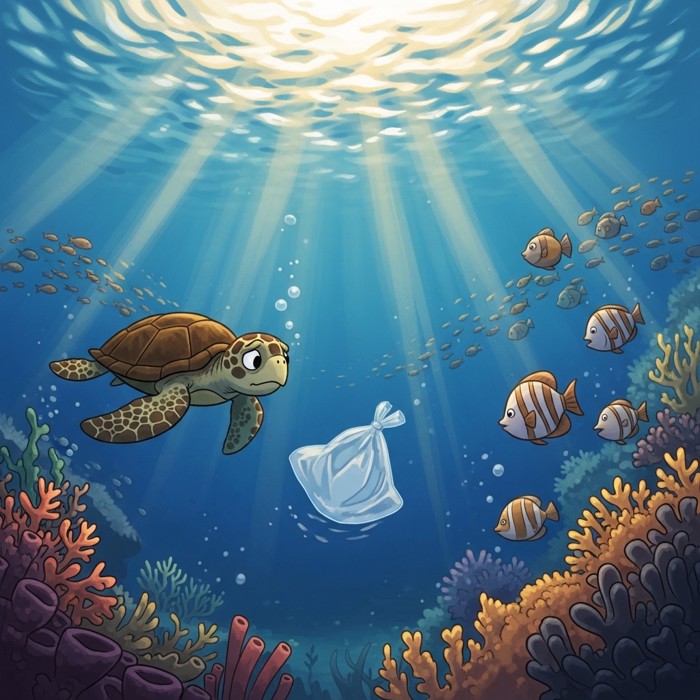
Why Plastic Hurts Sea Life
Every year, millions of tons of plastic enter the ocean. This plastic causes serious harm to sea life around the world. Plastic bags, bottles, and nets drift through the water for hundreds of years. S...