
What Makes the Deep Ocean Mysterious?
- English level
- Level 2
- Topic
- The Ocean
- Estimated reading time
- 2 mins
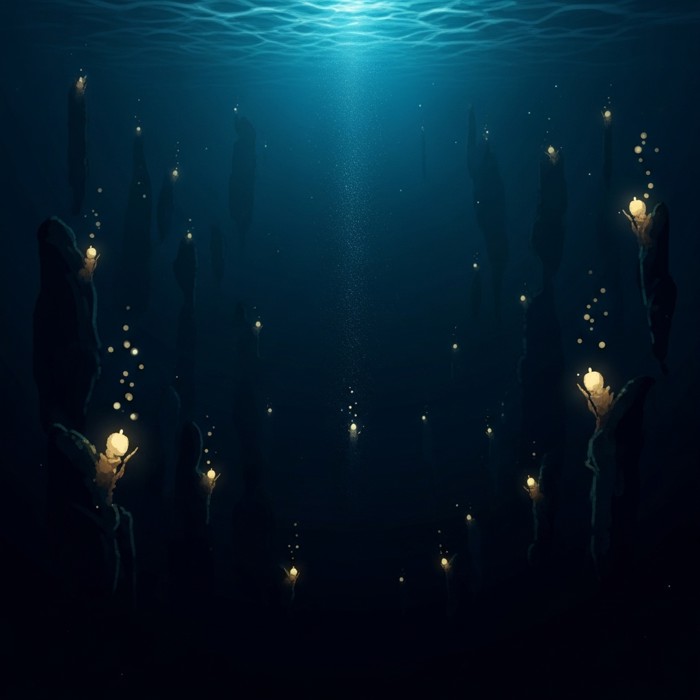
The deep ocean covers more than half of Earth's surface, yet most of it remains completely unknown.
Scientists have explored less than twenty percent of the ocean floor.
The deeper you go, the darker and colder it becomes.
At great [depths], there is no sunlight at all.
The pressure in the deep ocean is extremely powerful and can crush metal submarines.
Many creatures living there have developed strange and fascinating features to survive.
Some deep-sea fish produce their own light through a process called bioluminescence.
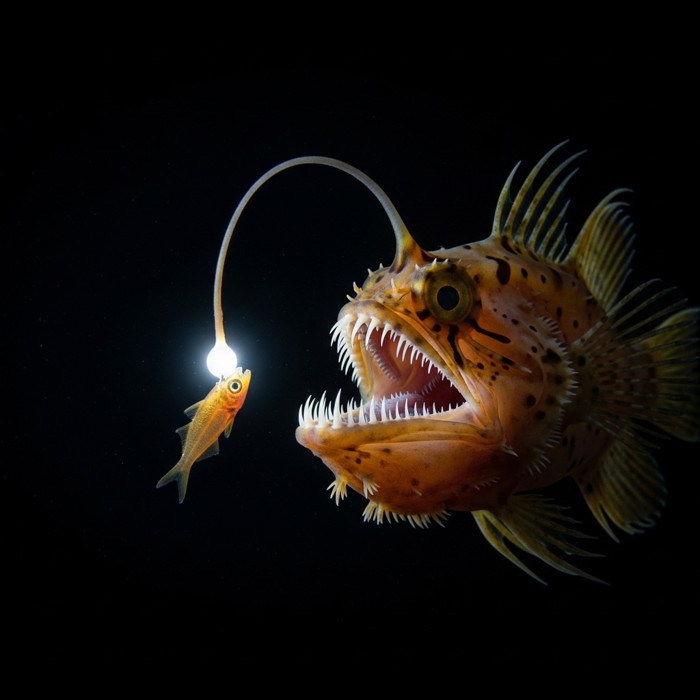
The anglerfish, for example, uses a glowing lure to attract prey in total darkness.
Hydrothermal vents on the ocean floor release hot water full of minerals.
Surprisingly, unique communities of animals live around these vents without needing sunlight.
Scientists discover new species in the deep ocean every year.
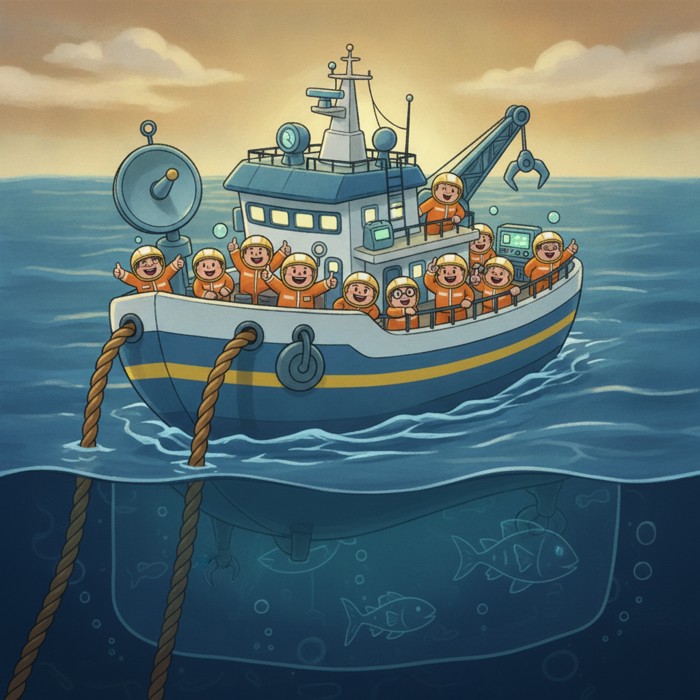
Exploring this environment is extremely difficult and expensive.
Special underwater vehicles must withstand enormous pressure to reach the deepest points.
The deep ocean still holds many secrets waiting to be discovered.
Key Vocabulary
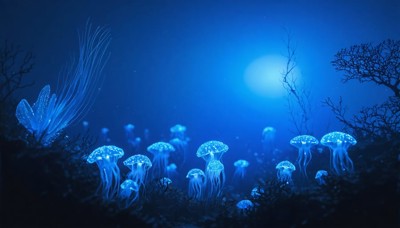 Bioluminescence (n) Light produced by living organisms, such as fireflies or some deep-sea fish, through a chemical reactionUK: /ˌbaɪəʊˌluːmɪˈnesns/US: /ˌbaɪoʊˌluːmɪˈnesns/Learn more
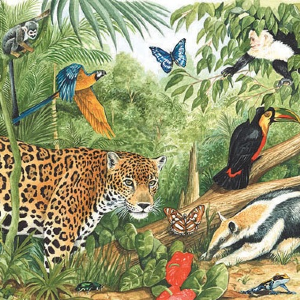 Creatures (n) An animal, as distinct from a human being.UK: ˈkriːʧəzUS: ˈkriʧərzLearn more
 Explored (v) Exploration, explorationUK: ɪkˈsplɔːrdUS: ɪkˈsplɔːrdLearn more
 Minerals (n) A solid, naturally occurring inorganic substance.UK: ˈmɪnərəlzUS: ˈmɪnərəlzLearn more
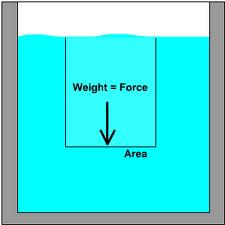 Pressure (n) Continuous physical force exerted on or against an object by something in contact with it.UK: ˈpreʃə(r)US: ˈpreʃərLearn more
 Species (n) A group of living organisms consisting of similar individuals capable of exchanging genes or interbreeding. the species is the principal natural taxonomic unit, ranking below a genus and denoted by a latin binomial, e.g. homo sapiens.UK: ˈspiːʃiːzUS: ˈspiːʃiːzLearn more
 Submarines (n) Vessels that can travel underwater, often used for military purposes or researchUK: /ˈsʌbməriːnz/US: /ˈsʌbməˌriːnz/Learn more
 Vents (n) Openings that allow air, gas, or liquid to pass through, especially for ventilation or releaseUK: /vents/US: /vents/Learn more

Practice This Story
Continue learning with Ettip's stories and vocabulary challenges.
More English Stories About The Ocean
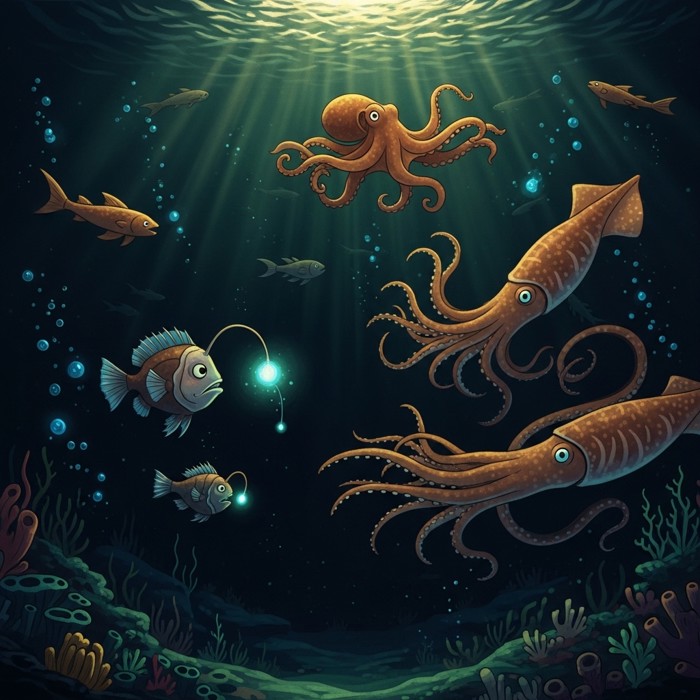
Five Animals That Live Deep Underwater
The deep ocean is one of the least explored places on our planet. Scientists believe more than 80 percent of the ocean floor remains unknown to us. One of the most famous deep-sea animals is the angle...
How Oceans Shape Life on Earth
More than seventy percent of our planet is covered by ocean. The ocean is a living system that shapes all life on Earth. Oceans produce more than half of the oxygen we breathe. Tiny plants called phyt...
A Day Beside the Sea
The sound of the waves washed over me the moment I reached the shore. I had always lived far from the sea, so this was a special day for me. The water stretched all the way to the horizon, blue and en...
How Waves Change the Shore
Waves never stop moving, and neither does the shore. Every day, waves push and pull sand, rocks, and water along the coastline. This constant movement slowly changes the shape of beaches and cliffs. W...
Why Coral Reefs Need Protection
Coral reefs cover less than one percent of the ocean floor, but they support about 25 percent of all marine life. These colorful underwater structures are some of the most important ecosystems on Eart...
How Fishers Read the Ocean
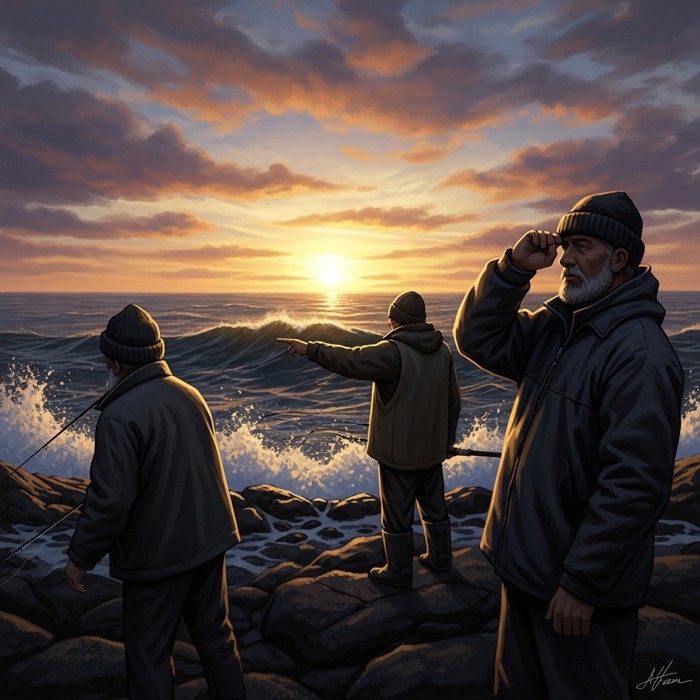
Before sunrise, fishers stand at the shore and watch the ocean carefully. They are not just looking at water - they are reading signs that most people never notice. Experienced fishers can predict whe...
The Journey of Water Around Earth
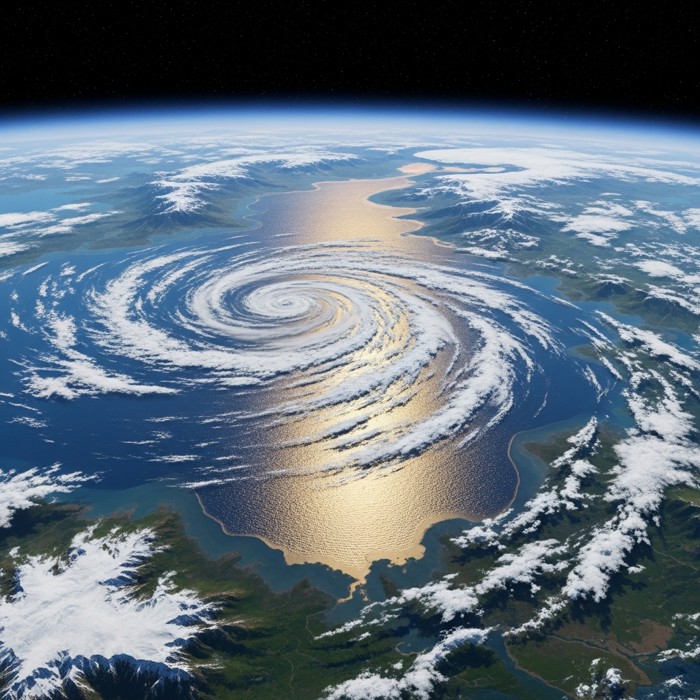
The ocean covers more than seventy percent of Earth, and it drives one of the most important cycles in nature. Water is always moving - from the sea into the sky and back down to the ground again. Whe...
When Storms Begin at Sea
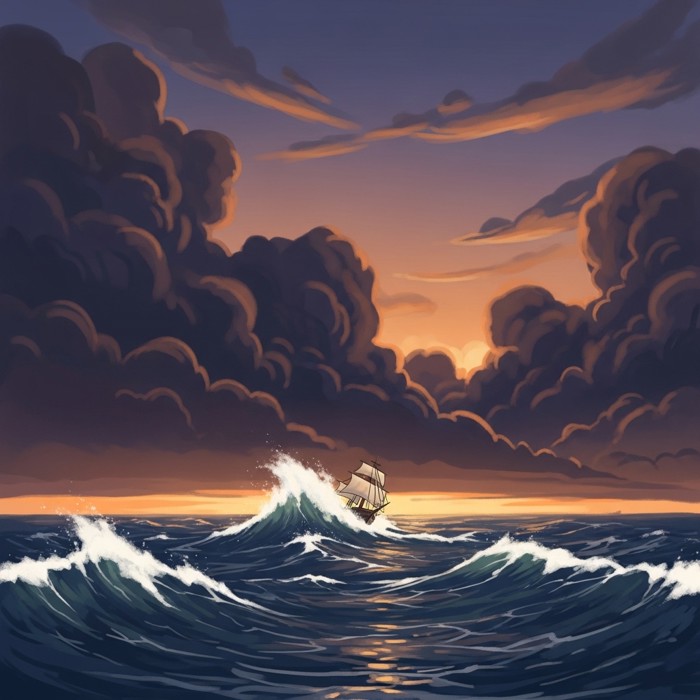
The sky turns a deep orange, and experienced sailors know something is coming. At sea, storms do not appear suddenly - they begin with quiet warnings. Warm air and cold air meet over the ocean, and th...
Why Plastic Hurts Sea Life
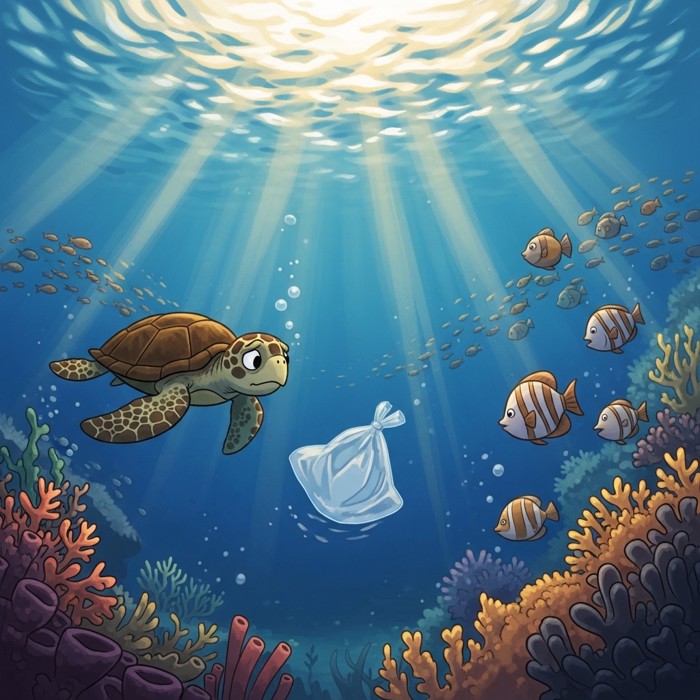
Every year, millions of tons of plastic enter the ocean. This plastic causes serious harm to sea life around the world. Plastic bags, bottles, and nets drift through the water for hundreds of years. S...
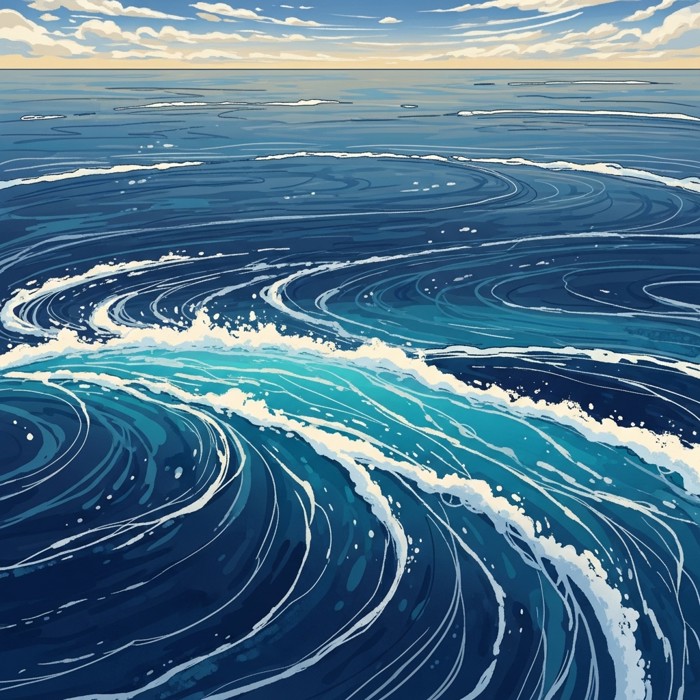
A Simple Look at Ocean Currents
Ocean currents move billions of tons of water around the world every single day. These currents act like a giant circulation system that keeps our [planet's] climate balanced. A current is a large, fl...