
When Storms Begin at Sea
- English level
- Level 2
- Topic
- The Ocean
- Estimated reading time
- 2 mins
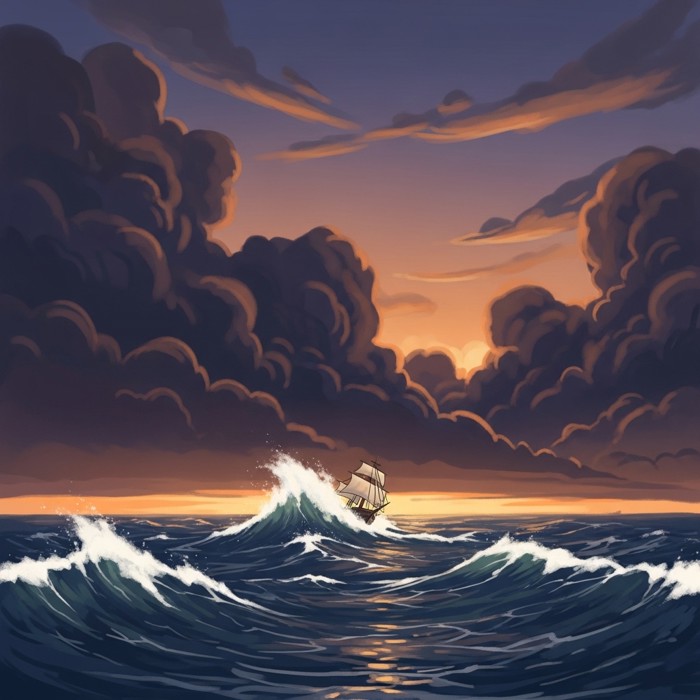
The sky turns a deep orange, and experienced sailors know something is coming.
At sea, storms do not appear suddenly - they begin with quiet warnings.
Warm air and cold air meet over the ocean, and this creates powerful energy.
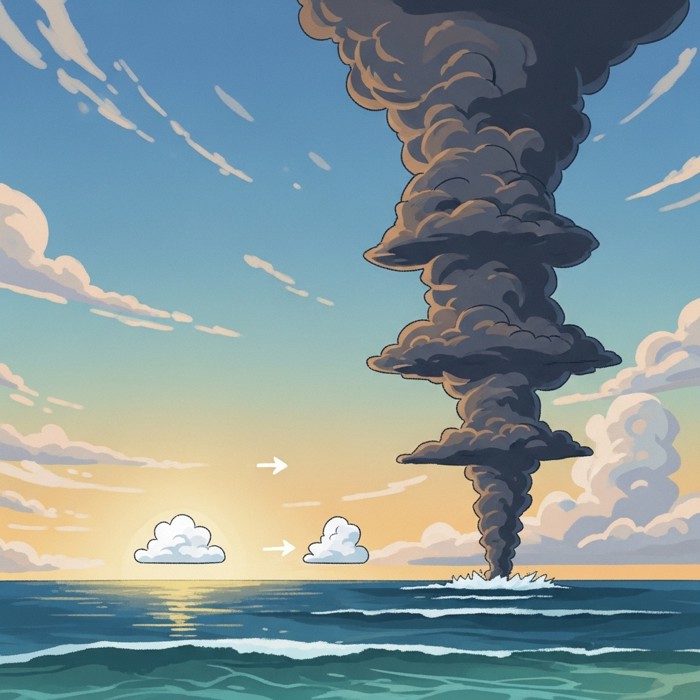
That energy builds slowly, forming clouds that grow taller every hour.
The wind starts gentle but becomes stronger and more unpredictable.
Sailors watch the color of the sky because red skies in the morning often signal bad weather ahead.
The waves change too, becoming longer and more regular before a storm arrives.
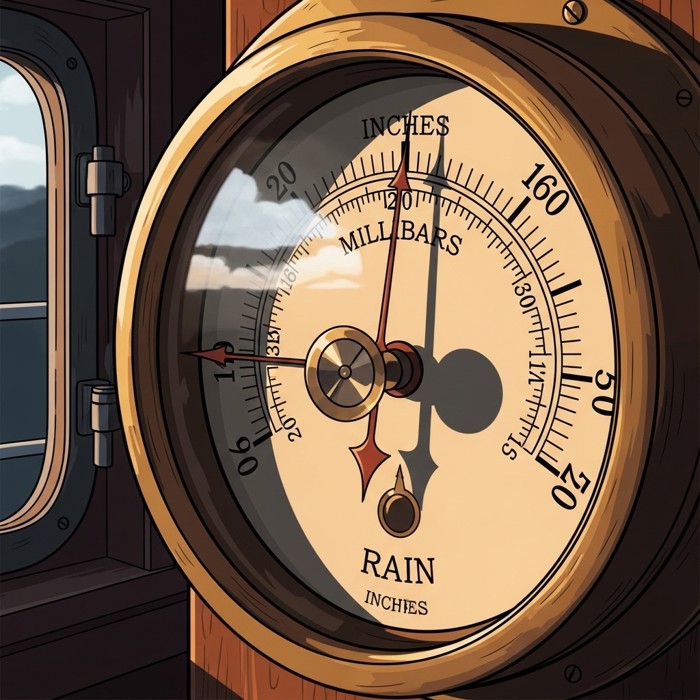
Air pressure drops, and this is one of the most reliable signs that rough weather is near.
Modern ships carry barometers and weather radar to detect these changes early.
Captains check weather forecasts and communicate with coast guard stations before sailing.
When a storm is close, the crew secures all equipment on the deck.
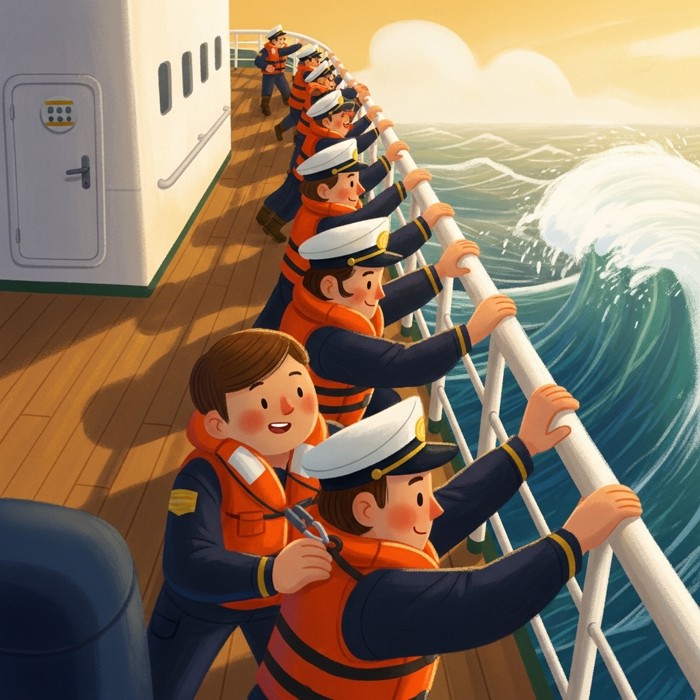
Everyone puts on life jackets and moves carefully to avoid falling.
Inside the storm, waves can reach enormous heights and winds howl loudly.
After the storm passes, the ocean becomes calm again, and the sky clears.
The sea teaches sailors that preparation and respect can make all the difference.
Key Vocabulary
 Energy (n) The strength and vitality required for sustained physical or mental activity.UK: ˈenədʒiUS: ˈenərdʒiLearn more
 Enormous (adj) Very large in size, quantity, or extent.UK: ɪˈnɔːməsUS: ɪˈnɔːrməsLearn more
 Experienced (adj) Having gained knowledge or skill in a particular field over time.UK: ɪkˈspɪəriənstUS: ɪkˈspɪriənstLearn more
 Forecast (v) Predict or estimate (a future event or trend).UK: ˈfɔːkɑːstUS: ˈfɔːrkæstLearn more
 Preparation (n) The action or process of preparing or being prepared for use or consideration.UK: ˌprepəˈreɪʃnUS: ˌprepəˈreɪʃnLearn more
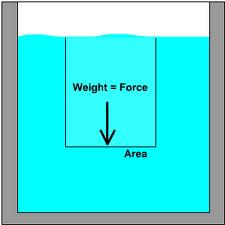 Pressure (n) Continuous physical force exerted on or against an object by something in contact with it.UK: ˈpreʃə(r)US: ˈpreʃərLearn more
 Reliable (adj) Consistently good in quality or performance; able to be trusted.UK: rɪˈlaɪəblUS: rɪˈlaɪəblLearn more
 Respect (n) A feeling of deep admiration for someone or something elicited by their abilities, qualities, or achievements.UK: rɪˈspektUS: rɪˈspektLearn more
 Secures (v) It makes something safe, firm, or certain to happen, or obtains something successfullyUK: /sɪˈkjʊəz/US: /sɪˈkjʊrz/Learn more
 Warnings (n) Statements or signs that tell someone about a possible danger, problem, or unpleasant situationUK: /ˈwɔːnɪŋz/US: /ˈwɔːrnɪŋz/Learn more

Practice This Story
Continue learning with Ettip's stories and vocabulary challenges.
More English Stories About The Ocean
Five Animals That Live Deep Underwater
The deep ocean is one of the least explored places on our planet. Scientists believe more than 80 percent of the ocean floor remains unknown to us. One of the most famous deep-sea animals is the angle...
How Oceans Shape Life on Earth
More than seventy percent of our planet is covered by ocean. The ocean is a living system that shapes all life on Earth. Oceans produce more than half of the oxygen we breathe. Tiny plants called phyt...
A Day Beside the Sea
The sound of the waves washed over me the moment I reached the shore. I had always lived far from the sea, so this was a special day for me. The water stretched all the way to the horizon, blue and en...
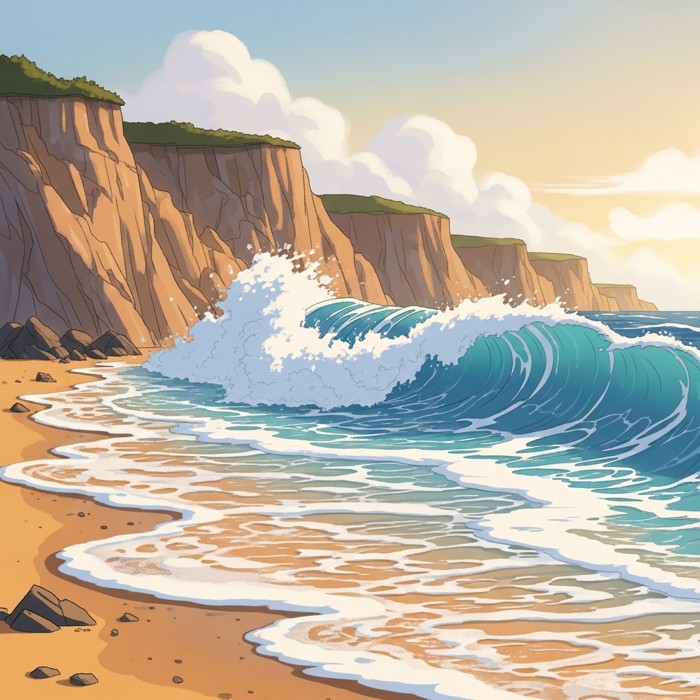
How Waves Change the Shore
Waves never stop moving, and neither does the shore. Every day, waves push and pull sand, rocks, and water along the coastline. This constant movement slowly changes the shape of beaches and cliffs. W...
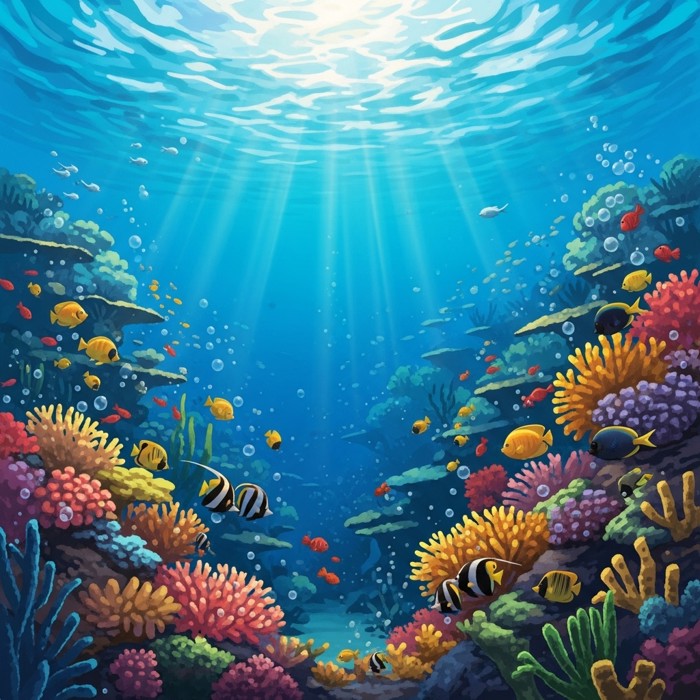
Why Coral Reefs Need Protection
Coral reefs cover less than one percent of the ocean floor, but they support about 25 percent of all marine life. These colorful underwater structures are some of the most important ecosystems on Eart...
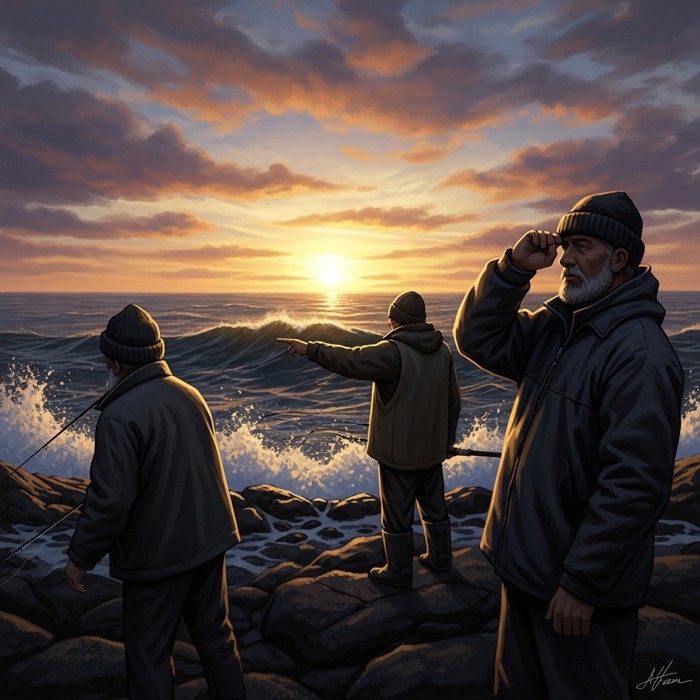
How Fishers Read the Ocean
Before sunrise, fishers stand at the shore and watch the ocean carefully. They are not just looking at water - they are reading signs that most people never notice. Experienced fishers can predict whe...
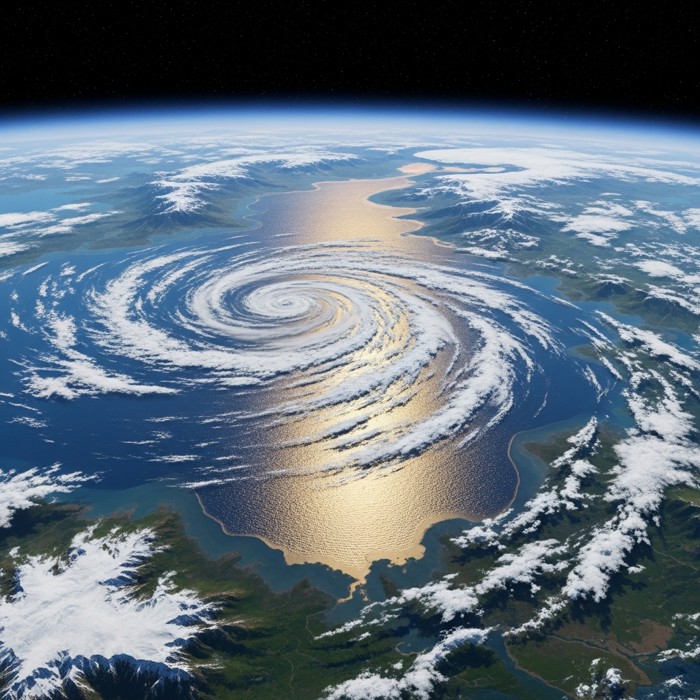
The Journey of Water Around Earth
The ocean covers more than seventy percent of Earth, and it drives one of the most important cycles in nature. Water is always moving - from the sea into the sky and back down to the ground again. Whe...

What Makes the Deep Ocean Mysterious?
The deep ocean covers more than half of Earth's surface, yet most of it remains completely unknown. Scientists have explored less than twenty percent of the ocean floor. The deeper you go, the darker...
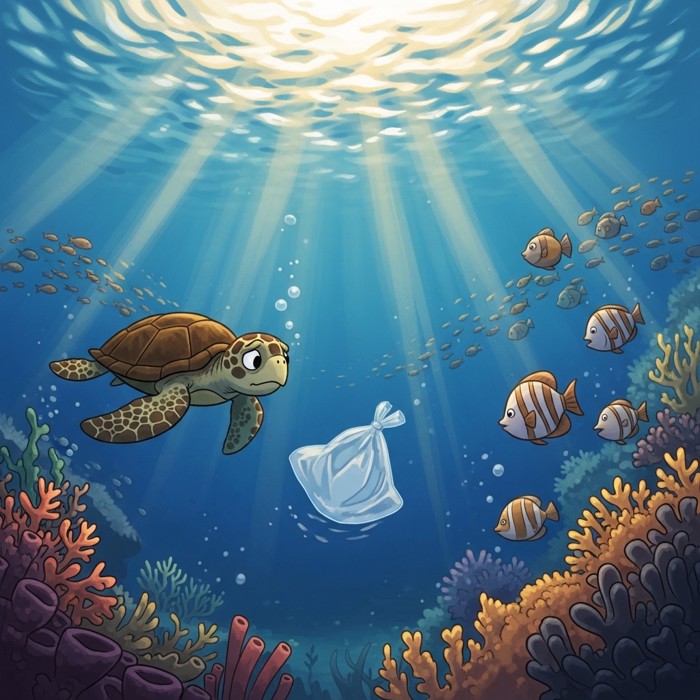
Why Plastic Hurts Sea Life
Every year, millions of tons of plastic enter the ocean. This plastic causes serious harm to sea life around the world. Plastic bags, bottles, and nets drift through the water for hundreds of years. S...
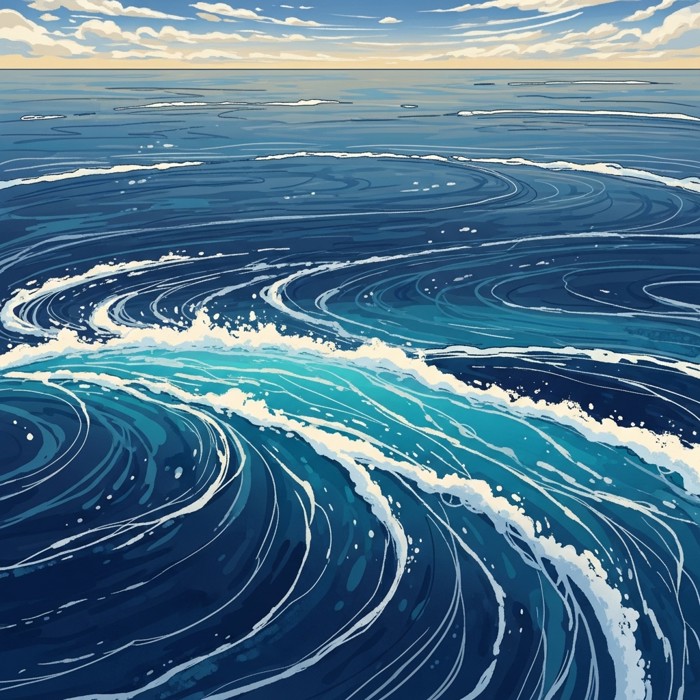
A Simple Look at Ocean Currents
Ocean currents move billions of tons of water around the world every single day. These currents act like a giant circulation system that keeps our [planet's] climate balanced. A current is a large, fl...