
Why Coral Reefs Need Protection
- English level
- Level 2
- Topic
- The Ocean
- Estimated reading time
- 2 mins
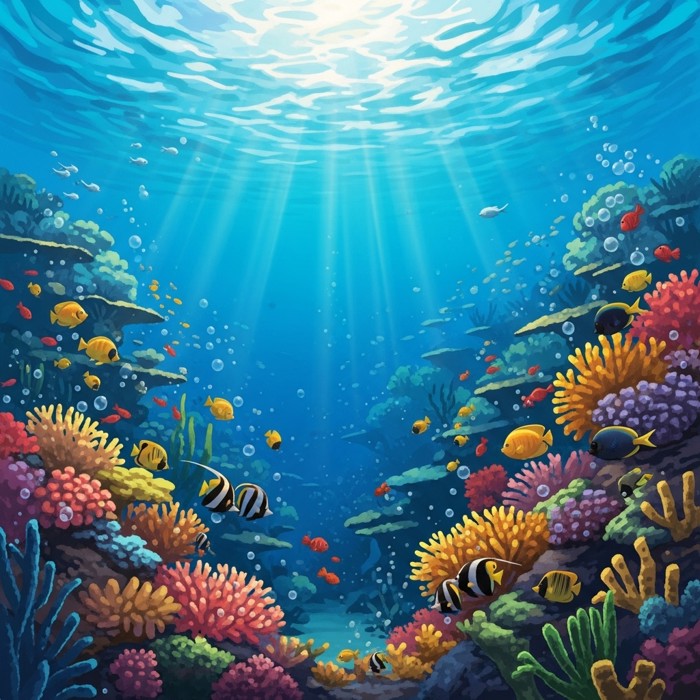
Coral reefs cover less than one percent of the ocean floor, but they support about 25 percent of all marine life.
These colorful underwater structures are some of the most important ecosystems on Earth.
A coral reef is made of tiny animals called polyps, which build hard skeletons over thousands of years.
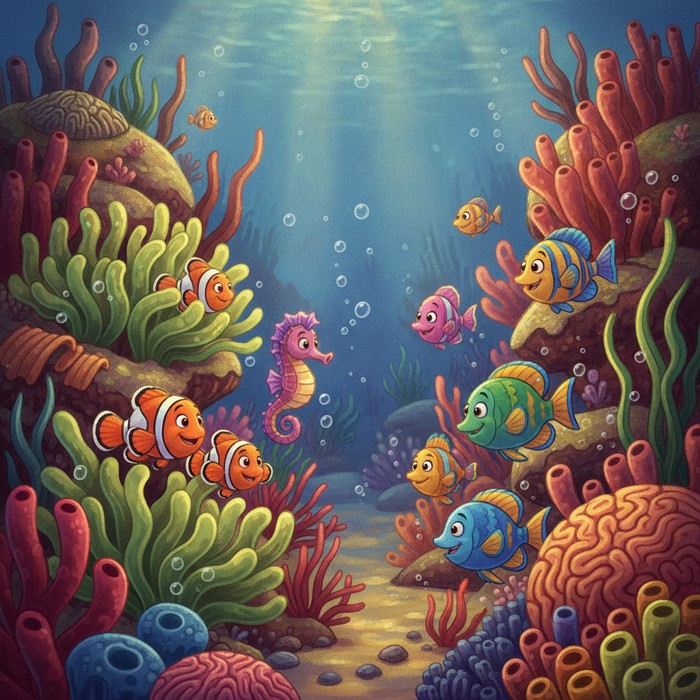
Thousands of species of fish, plants, and other sea creatures live in and around coral reefs.
Many coastal communities depend on coral reefs for food, as local fishermen catch fish that live near the reefs.
Coral reefs also protect coastlines from powerful waves and storms by acting as natural barriers.
However, coral reefs around the world are in serious danger today.
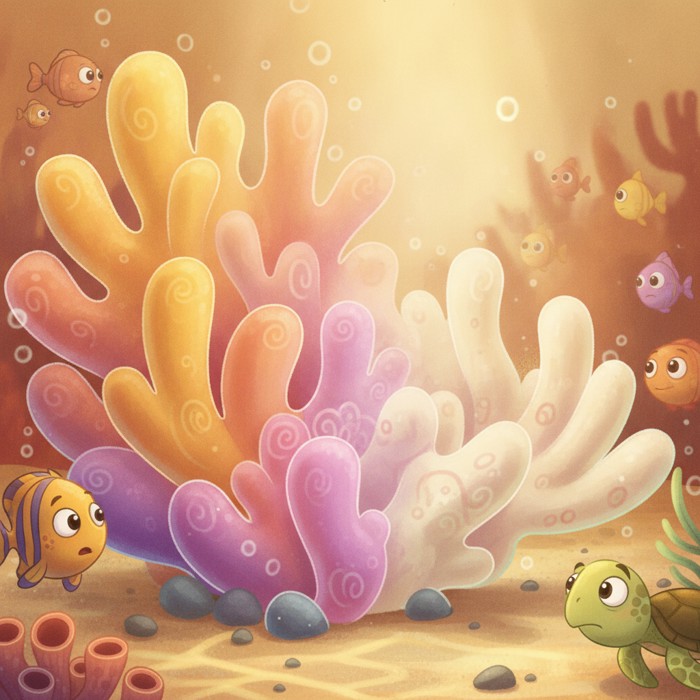
Rising ocean temperatures cause a process called coral bleaching, which turns the coral white and can kill it.
Pollution from farms and cities also washes into the ocean and damages the delicate reef ecosystems.
Tourists who touch or step on coral can break these slow-growing structures that took centuries to form.
Governments and scientists are working together to create protected marine areas where reefs can recover.
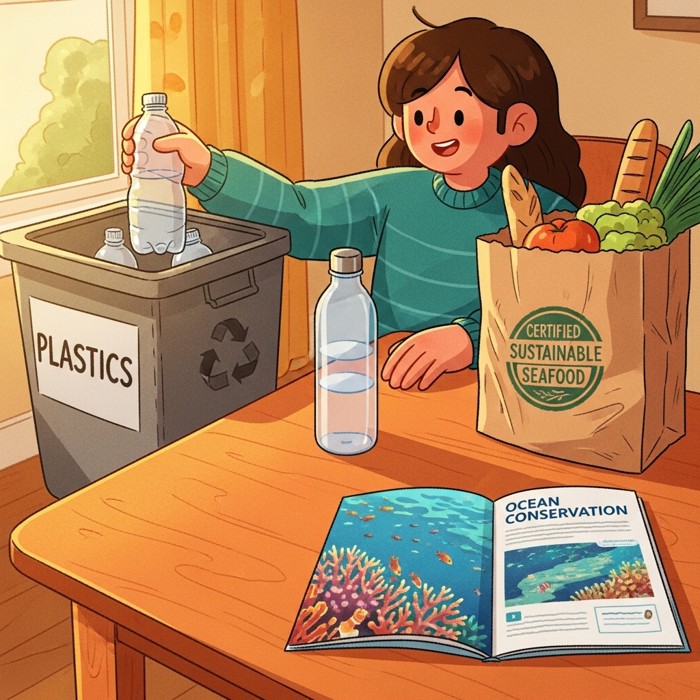
Individuals can help by reducing plastic waste, supporting sustainable seafood, and learning about ocean health.
If we act now, coral reefs can survive and continue to shelter millions of ocean creatures.
The [ocean's] future depends on the choices we make today.
Key Vocabulary
 Bleaching (n) The process of making something whiter or lighter, especially by chemical action or exposure to the sunUK: /ˈbliːtʃɪŋ/US: /ˈbliːtʃɪŋ/Learn more
 Coastlines (n) The land along a coast.UK: ˈkəʊstlaɪnzUS: ˈkoʊstˌlaɪnzLearn more
 Communities (n) Groups of people living in the same place or having a particular characteristic in commonUK: /kəˈmjuːnətiz/US: /kəˈmjuːnətiz/Learn more
 Delicate (adj) Very fine in texture or structure; of intricate workmanship or quality.UK: ˈdelɪkətUS: ˈdelɪkətLearn more
 Ecosystems (n) A biological community of interacting organisms and their physical environment.UK: ˈiːkəʊˌsɪstəmzUS: ˈikoʊˌsɪstəmzLearn more
 Pollution (n) The presence in or introduction into the environment of a substance which has harmful or poisonous effects.UK: pəˈluːʃnUS: pəˈluːʃnLearn more
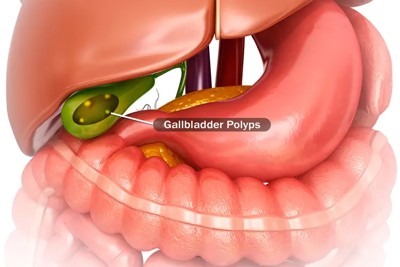 Polyps (n) Small growths that can form on the inner lining of an organ, often harmless but sometimes cancerousUK: /ˈpɒlɪps/US: /ˈpɑːlɪps/Learn more
 Protected (v) Preserved from harm, especially by means of formal or legal measures.UK: prəˈtek.tɪdUS: prəˈtek.tɪdLearn more
 Sustainable (adj) Able to be maintained at a certain rate or level, or causing little or no damage to the environmentUK: /səˈsteɪnəbl/US: /səˈsteɪnəbl/Learn more

Practice This Story
Continue learning with Ettip's stories and vocabulary challenges.
More English Stories About The Ocean
Five Animals That Live Deep Underwater
The deep ocean is one of the least explored places on our planet. Scientists believe more than 80 percent of the ocean floor remains unknown to us. One of the most famous deep-sea animals is the angle...
How Oceans Shape Life on Earth
More than seventy percent of our planet is covered by ocean. The ocean is a living system that shapes all life on Earth. Oceans produce more than half of the oxygen we breathe. Tiny plants called phyt...
A Day Beside the Sea
The sound of the waves washed over me the moment I reached the shore. I had always lived far from the sea, so this was a special day for me. The water stretched all the way to the horizon, blue and en...
How Waves Change the Shore
Waves never stop moving, and neither does the shore. Every day, waves push and pull sand, rocks, and water along the coastline. This constant movement slowly changes the shape of beaches and cliffs. W...
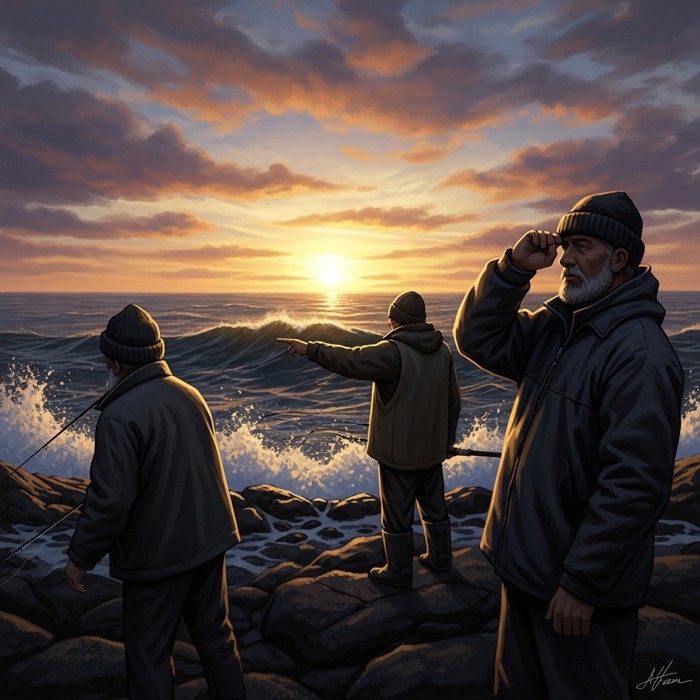
How Fishers Read the Ocean
Before sunrise, fishers stand at the shore and watch the ocean carefully. They are not just looking at water - they are reading signs that most people never notice. Experienced fishers can predict whe...
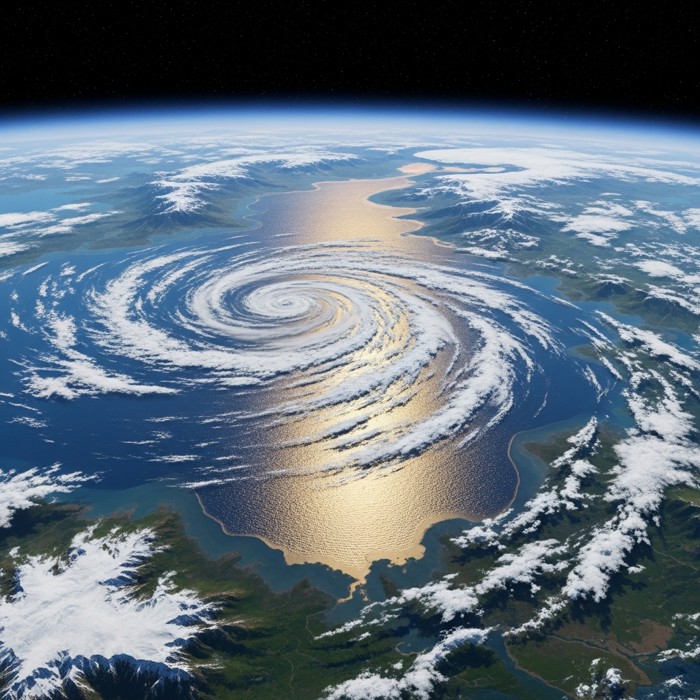
The Journey of Water Around Earth
The ocean covers more than seventy percent of Earth, and it drives one of the most important cycles in nature. Water is always moving - from the sea into the sky and back down to the ground again. Whe...
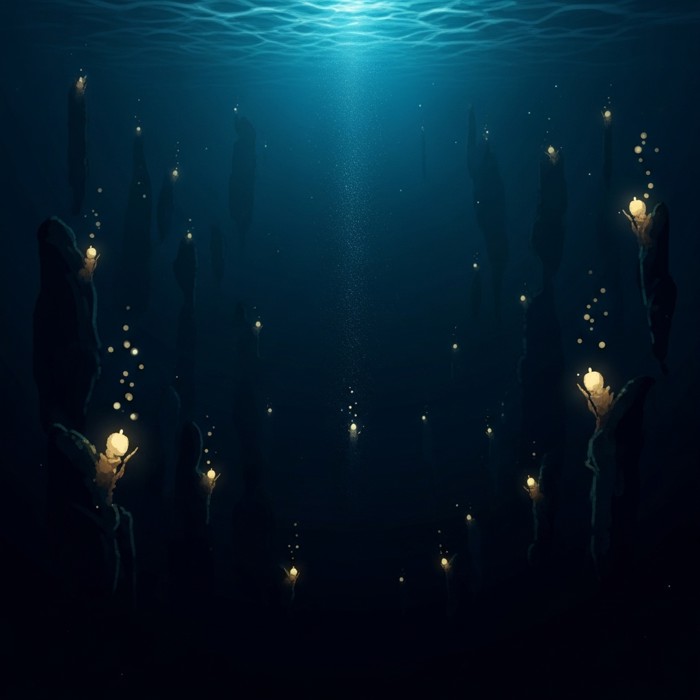
What Makes the Deep Ocean Mysterious?
The deep ocean covers more than half of Earth's surface, yet most of it remains completely unknown. Scientists have explored less than twenty percent of the ocean floor. The deeper you go, the darker...
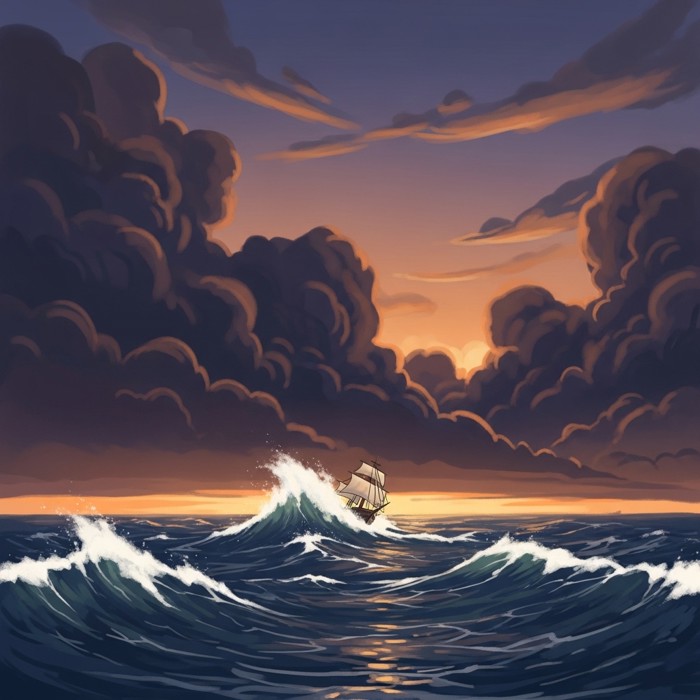
When Storms Begin at Sea
The sky turns a deep orange, and experienced sailors know something is coming. At sea, storms do not appear suddenly - they begin with quiet warnings. Warm air and cold air meet over the ocean, and th...
Why Plastic Hurts Sea Life
Every year, millions of tons of plastic enter the ocean. This plastic causes serious harm to sea life around the world. Plastic bags, bottles, and nets drift through the water for hundreds of years. S...
A Simple Look at Ocean Currents
Ocean currents move billions of tons of water around the world every single day. These currents act like a giant circulation system that keeps our [planet's] climate balanced. A current is a large, fl...