
How Scientists Explore Deep Water
- English level
- Level 2
- Topic
- The Ocean
- Estimated reading time
- 2 mins
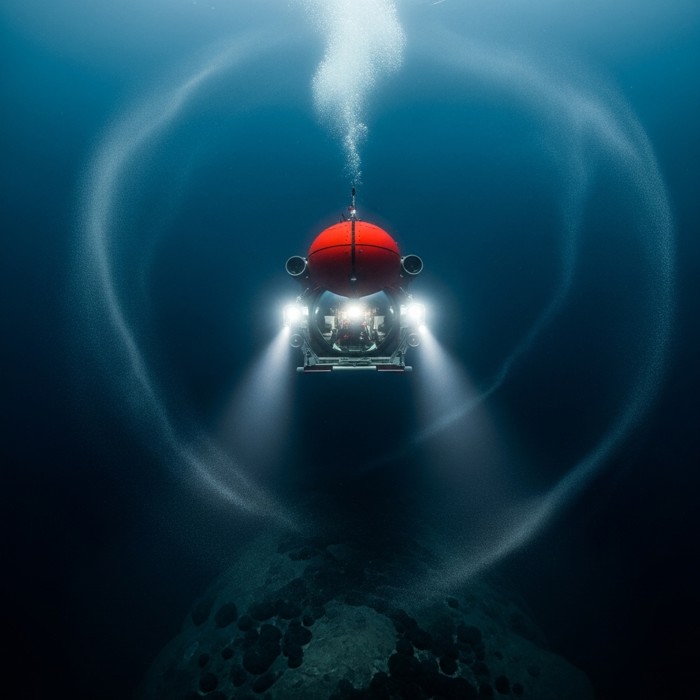
The deepest part of the ocean is deeper than the tallest mountain on Earth is tall.
Scientists have always wanted to explore these mysterious underwater worlds.
They use special machines called submersibles to travel deep below the surface.
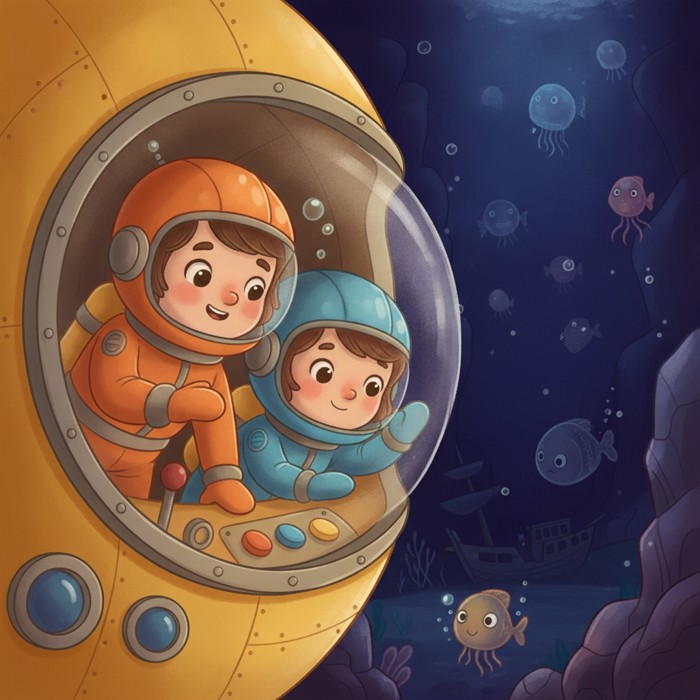
A submersible can carry researchers safely through extreme water pressure.
Remote-operated vehicles, or ROVs, are underwater robots controlled from ships above.
These robots can film and photograph creatures that humans have never seen before.
Scientists also use sonar technology to map the shape of the ocean floor.
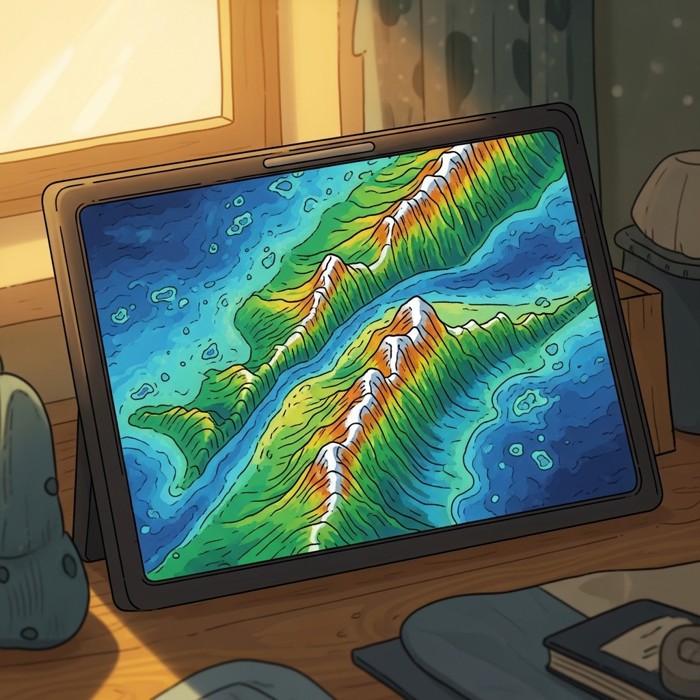
Sonar sends sound waves down into the water and measures how long they take to return.
The deep ocean is completely dark and extremely cold.
Strange animals living there have developed unique ways to survive without sunlight.
Researchers collect water samples and sediment to study chemicals and tiny organisms.

This data helps scientists understand how the ocean affects our climate and weather.
Many countries work together on large research expeditions in the deep sea.
Technology continues to improve, allowing scientists to dive deeper than ever before.
Key Vocabulary
 Creatures (n) An animal, as distinct from a human being.UK: ˈkriːʧəzUS: ˈkriʧərzLearn more
 Expeditions (n) A long journey or trip undertaken for a particular purpose, especially for exploration or scientific researchUK: /ˌekspɪˈdɪʃən/US: /ˌekspəˈdɪʃən/Learn more
 Mysterious (adj) Difficult or impossible to understand, explain, or identify.UK: mɪˈstɪəriəsUS: mɪˈstɪriəsLearn more
 Organisms (n) An individual animal, plant, or single-celled life form.UK: ˈɔːgənɪzmzUS: ˈɔrgəˌnɪzəmzLearn more
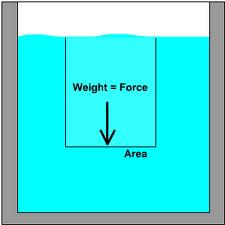 Pressure (n) Continuous physical force exerted on or against an object by something in contact with it.UK: ˈpreʃə(r)US: ˈpreʃərLearn more
 Remote-operated (adj) Controlled or managed from a distance, rather than by direct physical contactUK: /rɪˈməʊt ˌɒpəreɪtɪd/US: /rɪˈmoʊt ˌɑːpəreɪtɪd/Learn more
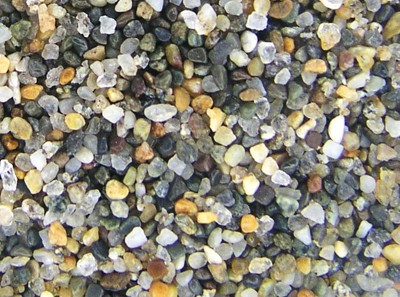 Sediment (n) Material like sand or mud that settles at the bottom of a liquid, often forming layers over timeUK: /ˈsedɪmənt/US: /ˈsedɪmənt/Learn more
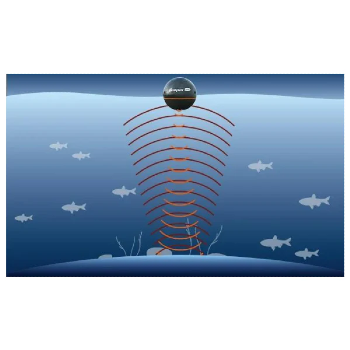 Sonar (n) EcholocationUK: ˈsəʊnɑː(r)US: ˈsəʊnɑːrLearn more
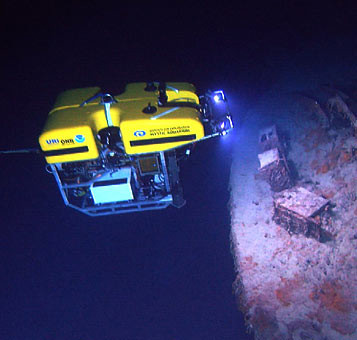 Submersibles (n) Vehicles designed to operate underwater, often used for research or explorationUK: /səbˈmɜːsɪblz/US: /səbˈmɜːrsəblz/Learn more
 Surface (n) The outside part or uppermost layer of something.UK: ˈsɜːfɪsUS: ˈsɜːrfɪsLearn more

Practice This Story
Continue learning with Ettip's stories and vocabulary challenges.
More English Stories About The Ocean
Five Animals That Live Deep Underwater
The deep ocean is one of the least explored places on our planet. Scientists believe more than 80 percent of the ocean floor remains unknown to us. One of the most famous deep-sea animals is the angle...
How Oceans Shape Life on Earth
More than seventy percent of our planet is covered by ocean. The ocean is a living system that shapes all life on Earth. Oceans produce more than half of the oxygen we breathe. Tiny plants called phyt...
A Day Beside the Sea
The sound of the waves washed over me the moment I reached the shore. I had always lived far from the sea, so this was a special day for me. The water stretched all the way to the horizon, blue and en...

How Waves Change the Shore
Waves never stop moving, and neither does the shore. Every day, waves push and pull sand, rocks, and water along the coastline. This constant movement slowly changes the shape of beaches and cliffs. W...
Why Coral Reefs Need Protection
Coral reefs cover less than one percent of the ocean floor, but they support about 25 percent of all marine life. These colorful underwater structures are some of the most important ecosystems on Eart...
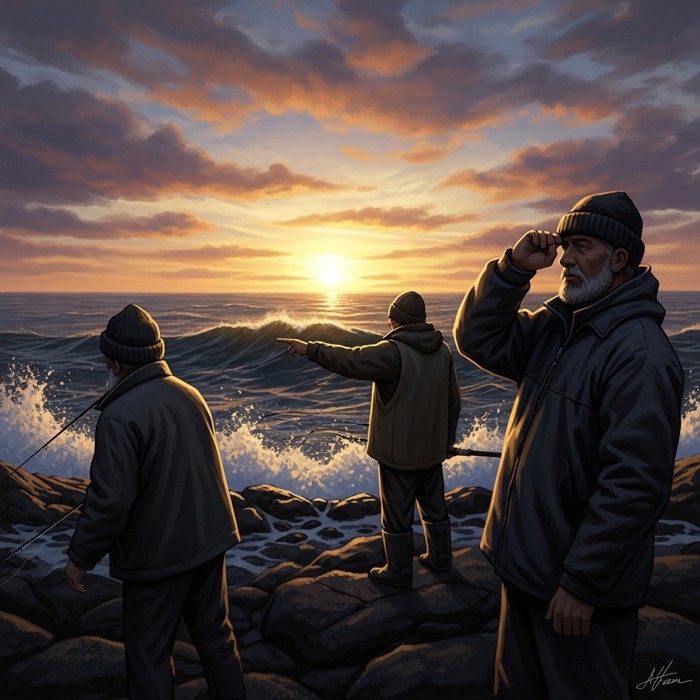
How Fishers Read the Ocean
Before sunrise, fishers stand at the shore and watch the ocean carefully. They are not just looking at water - they are reading signs that most people never notice. Experienced fishers can predict whe...
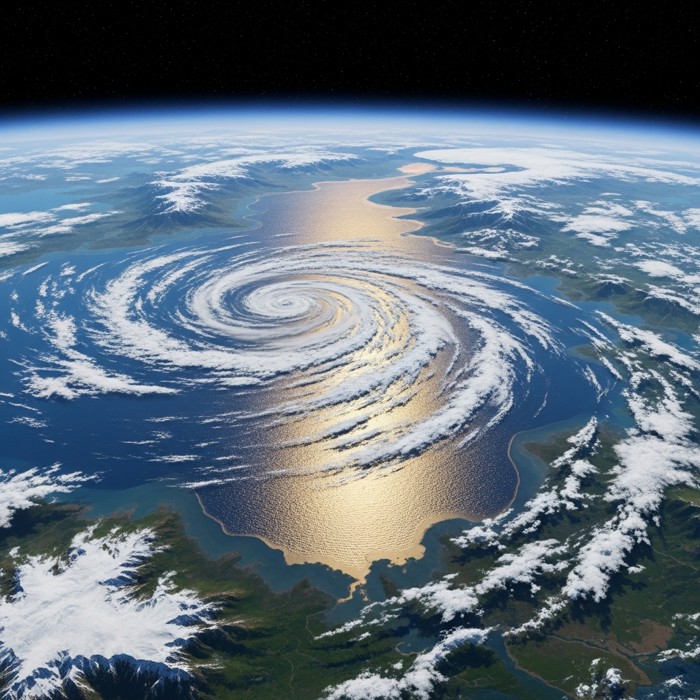
The Journey of Water Around Earth
The ocean covers more than seventy percent of Earth, and it drives one of the most important cycles in nature. Water is always moving - from the sea into the sky and back down to the ground again. Whe...
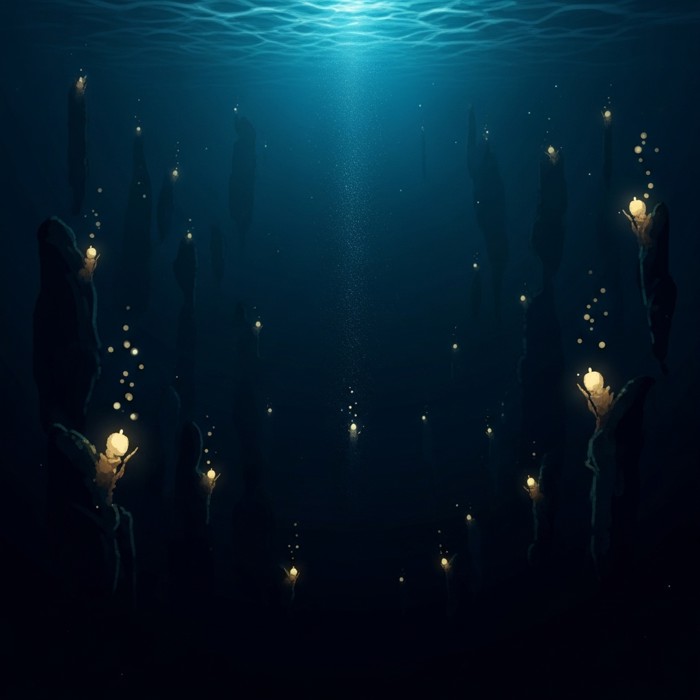
What Makes the Deep Ocean Mysterious?
The deep ocean covers more than half of Earth's surface, yet most of it remains completely unknown. Scientists have explored less than twenty percent of the ocean floor. The deeper you go, the darker...
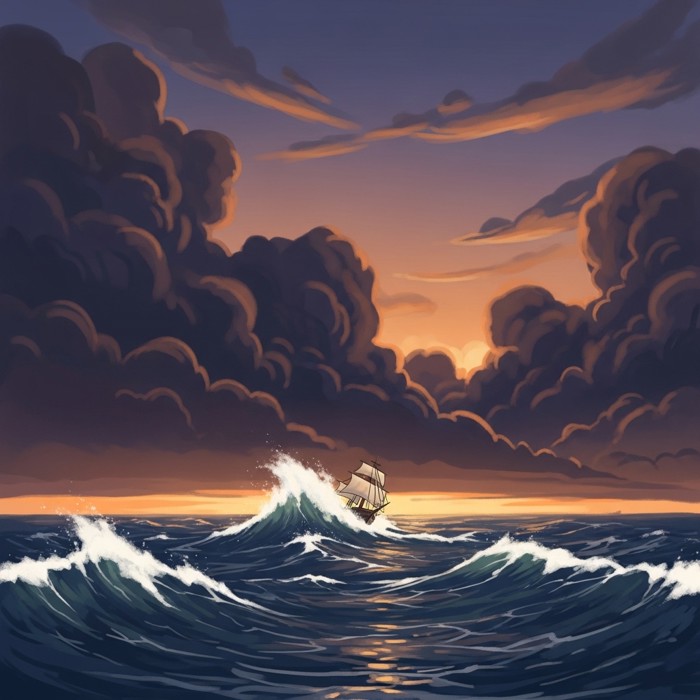
When Storms Begin at Sea
The sky turns a deep orange, and experienced sailors know something is coming. At sea, storms do not appear suddenly - they begin with quiet warnings. Warm air and cold air meet over the ocean, and th...
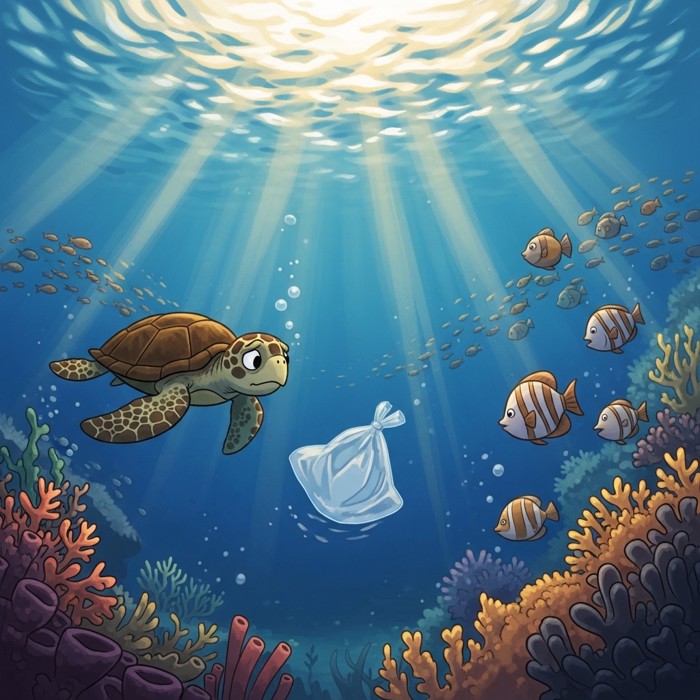
Why Plastic Hurts Sea Life
Every year, millions of tons of plastic enter the ocean. This plastic causes serious harm to sea life around the world. Plastic bags, bottles, and nets drift through the water for hundreds of years. S...