
The Sound of Life Underwater
- English level
- Level 2
- Topic
- The Ocean
- Estimated reading time
- 2 mins
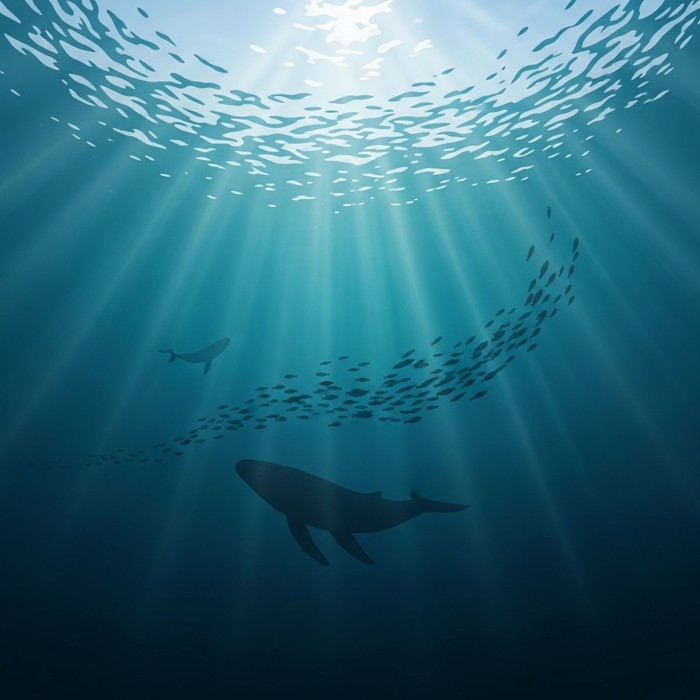
Most people think the ocean is a quiet place, but it is actually full of sound.
Hundreds of different animals produce noises under the water every single day.
Whales are famous for their long, beautiful songs, which can travel thousands of kilometres through the ocean.
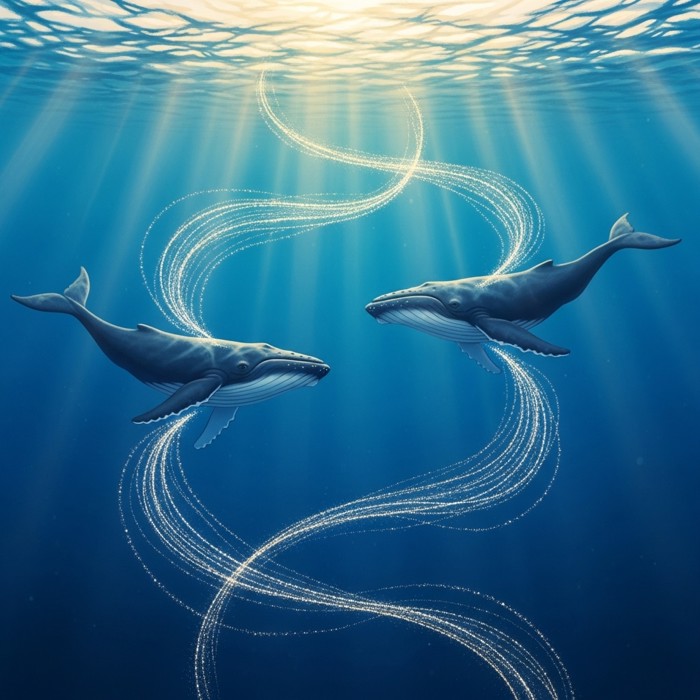
These songs help whales find each other and communicate across very great distances.
Dolphins make a series of rapid clicking sounds to locate objects and other animals around them.
This process, called echolocation, works like a kind of natural sonar system.
Even small creatures contribute to the [ocean's] soundtrack.
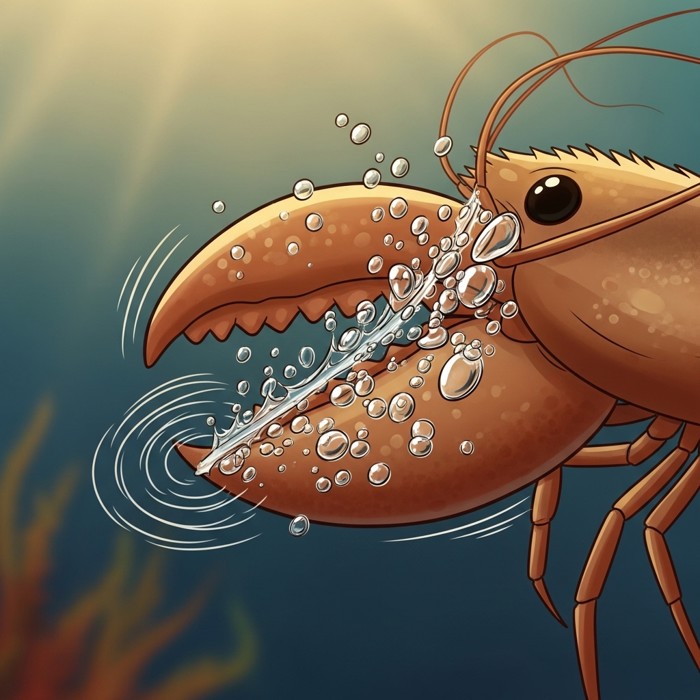
Snapping shrimps create one of the loudest sounds in the sea by closing their claws very quickly.
Many types of fish produce low grunting noises, especially during the breeding season.
Sound actually travels about four times faster in water than it does in air.
This means underwater animals can communicate over much greater distances than land animals can.
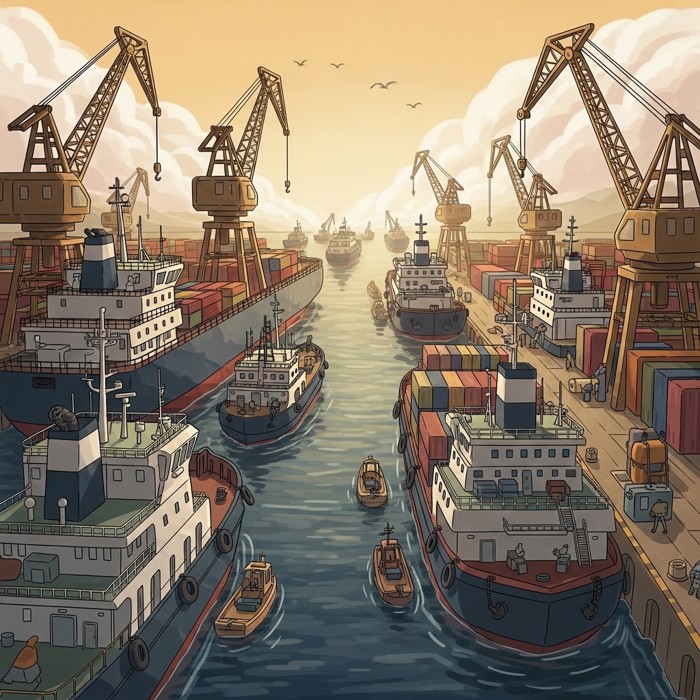
However, noise from ships, sonar systems, and construction is getting louder every year.
This extra noise makes it harder for sea animals to hear each other clearly.
Scientists are working to reduce human noise so ocean animals can communicate freely.
Key Vocabulary
 Breeding (adj) The mating and production of offspring by animals.UK: ˈbriːdɪŋUS: ˈbriːdɪŋLearn more
 Communicate (v) Share or exchange information, news, or ideas.UK: kəˈmjuːnɪkeɪtUS: kəˈmjuːnɪkeɪtLearn more
 Contribute (v) Give (something, especially money) in order to help achieve or provide something.UK: kənˈtrɪbjuːtUS: ˈkɒntrɪbjuːtLearn more
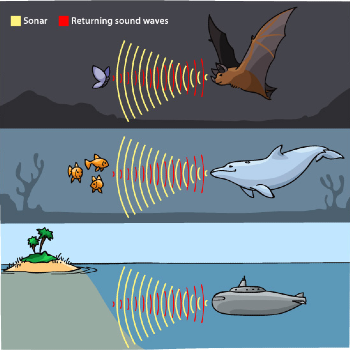 Echolocation (n) The use of echoes to detect objects as observed in bats and other natural creatures. also known as biosonar.UK: ˌekəʊləʊˈkeɪʃnUS: ˌekəʊləʊˈkeɪʃnLearn more
 Locate (v) Discover the exact place or position of.UK: ləʊˈkeɪtUS: ˈloʊkeɪtLearn more
 Produce (n) Make or manufacture from components or raw materials.UK: prəˈdjuːsUS: prəˈduːsLearn more
 Rapid (adj) Happening in a short time or at a great rate.UK: ˈræpɪdUS: ˈræpɪdLearn more
 Reduce (v) Make smaller or less in amount, degree, or size.UK: rɪˈdjuːsUS: rɪˈduːsLearn more
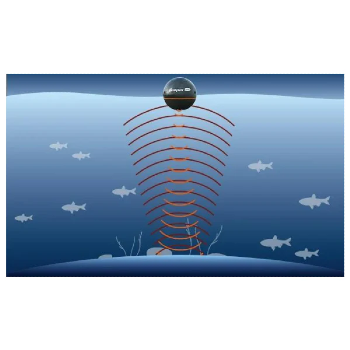 Sonar (n) EcholocationUK: ˈsəʊnɑː(r)US: ˈsəʊnɑːrLearn more
 Soundtrack (n) The music recorded for a film or television show, or a collection of songs used in itUK: /ˈsaʊndtræk/US: /ˈsaʊndtræk/Learn more

Practice This Story
Continue learning with Ettip's stories and vocabulary challenges.
More English Stories About The Ocean
Five Animals That Live Deep Underwater
The deep ocean is one of the least explored places on our planet. Scientists believe more than 80 percent of the ocean floor remains unknown to us. One of the most famous deep-sea animals is the angle...
How Oceans Shape Life on Earth
More than seventy percent of our planet is covered by ocean. The ocean is a living system that shapes all life on Earth. Oceans produce more than half of the oxygen we breathe. Tiny plants called phyt...
A Day Beside the Sea
The sound of the waves washed over me the moment I reached the shore. I had always lived far from the sea, so this was a special day for me. The water stretched all the way to the horizon, blue and en...
How Waves Change the Shore
Waves never stop moving, and neither does the shore. Every day, waves push and pull sand, rocks, and water along the coastline. This constant movement slowly changes the shape of beaches and cliffs. W...
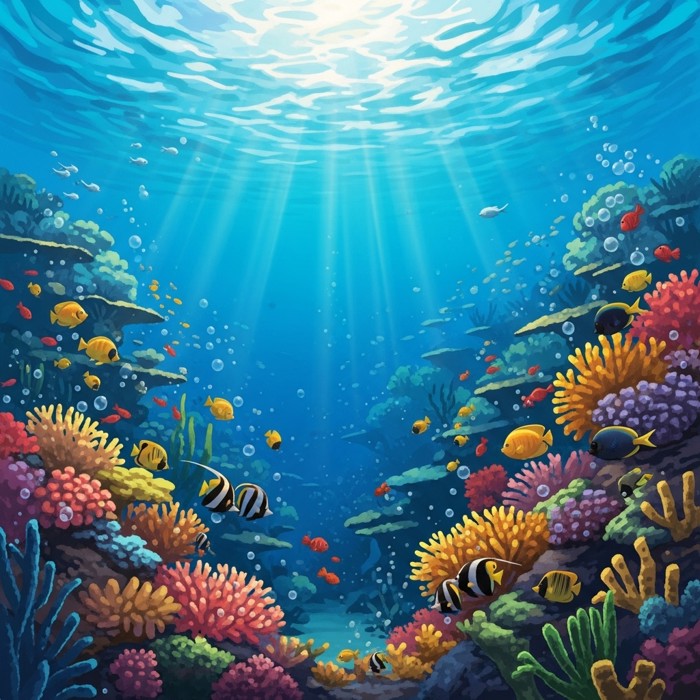
Why Coral Reefs Need Protection
Coral reefs cover less than one percent of the ocean floor, but they support about 25 percent of all marine life. These colorful underwater structures are some of the most important ecosystems on Eart...
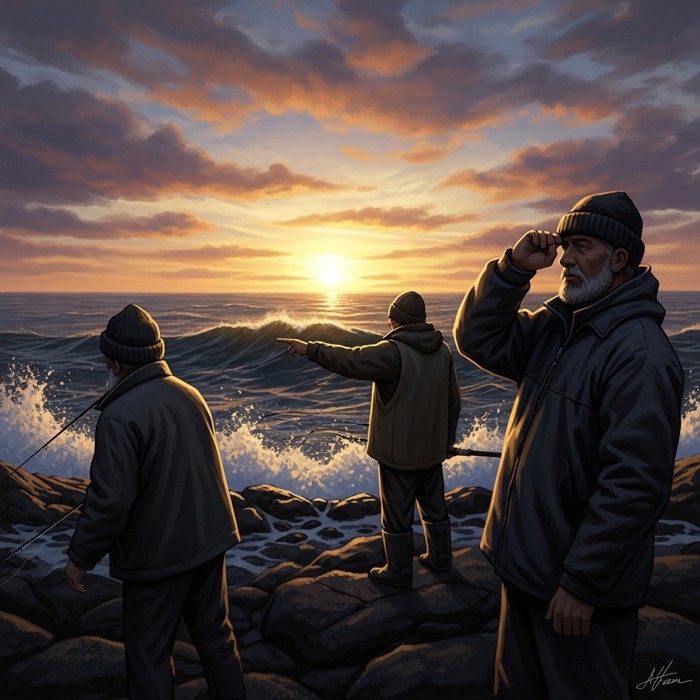
How Fishers Read the Ocean
Before sunrise, fishers stand at the shore and watch the ocean carefully. They are not just looking at water - they are reading signs that most people never notice. Experienced fishers can predict whe...
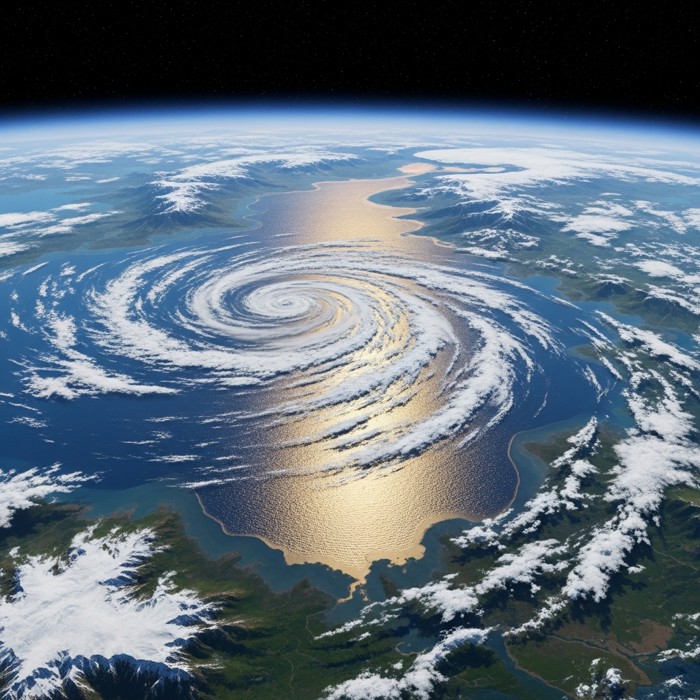
The Journey of Water Around Earth
The ocean covers more than seventy percent of Earth, and it drives one of the most important cycles in nature. Water is always moving - from the sea into the sky and back down to the ground again. Whe...
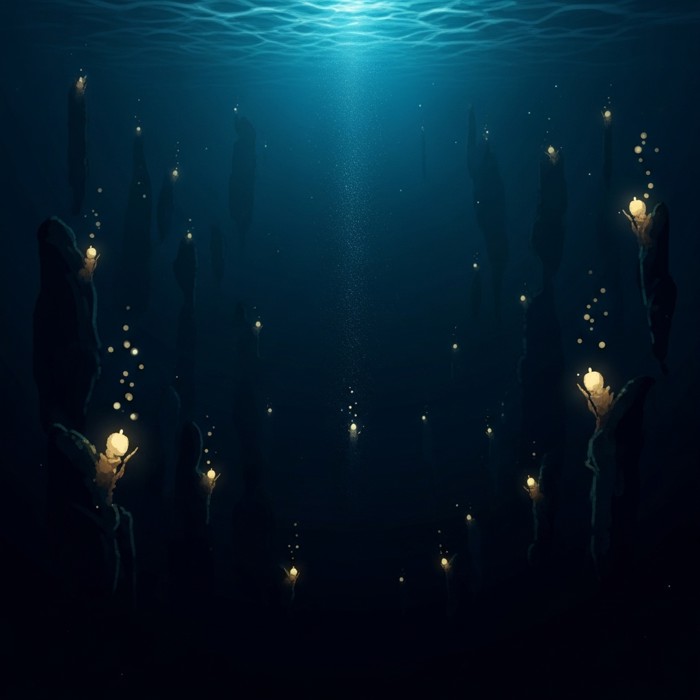
What Makes the Deep Ocean Mysterious?
The deep ocean covers more than half of Earth's surface, yet most of it remains completely unknown. Scientists have explored less than twenty percent of the ocean floor. The deeper you go, the darker...
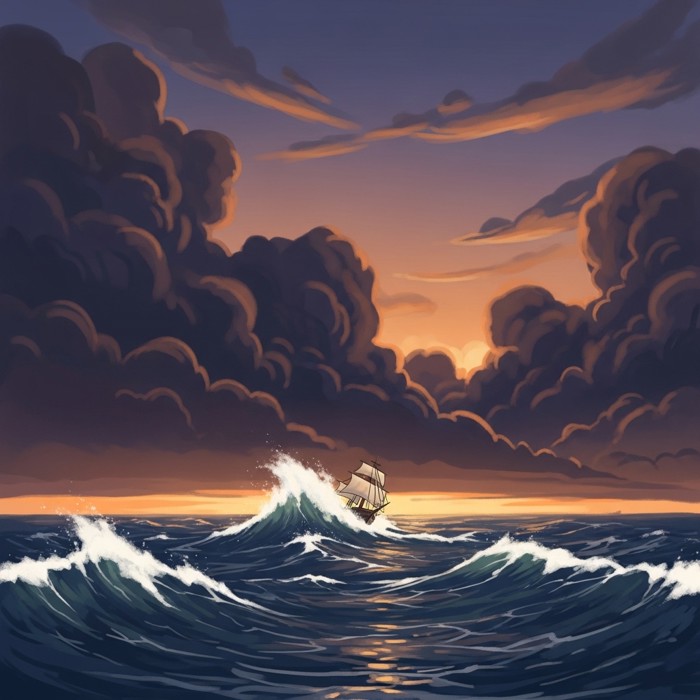
When Storms Begin at Sea
The sky turns a deep orange, and experienced sailors know something is coming. At sea, storms do not appear suddenly - they begin with quiet warnings. Warm air and cold air meet over the ocean, and th...
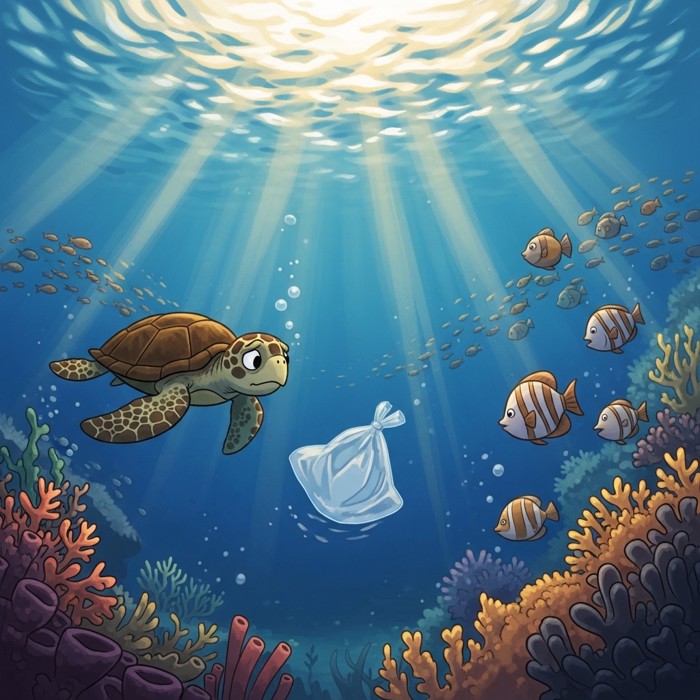
Why Plastic Hurts Sea Life
Every year, millions of tons of plastic enter the ocean. This plastic causes serious harm to sea life around the world. Plastic bags, bottles, and nets drift through the water for hundreds of years. S...