
What Beach Cleanups Can Teach Us
- English level
- Level 2
- Topic
- The Ocean
- Estimated reading time
- 2 mins
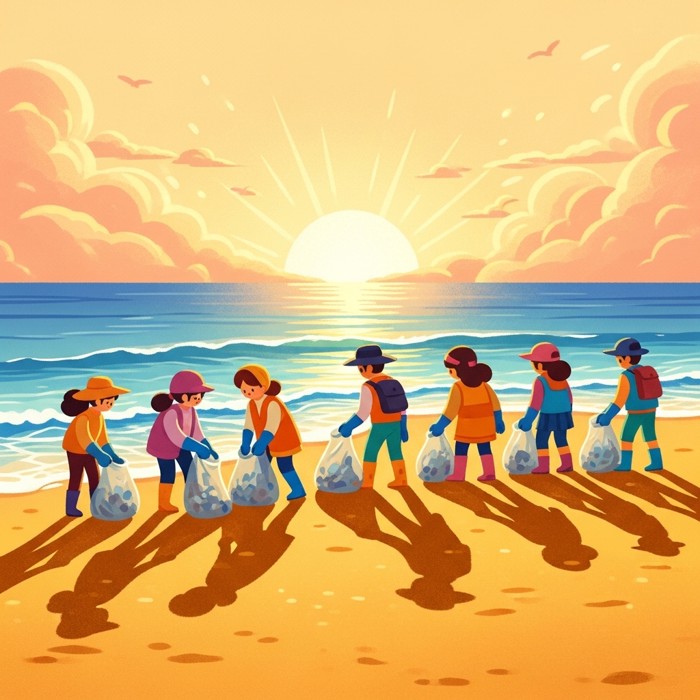
Every year, millions of pieces of plastic wash up on beaches around the world.
Beach [cleanups] are more than just picking up trash.
They are powerful lessons about how humans affect the ocean.
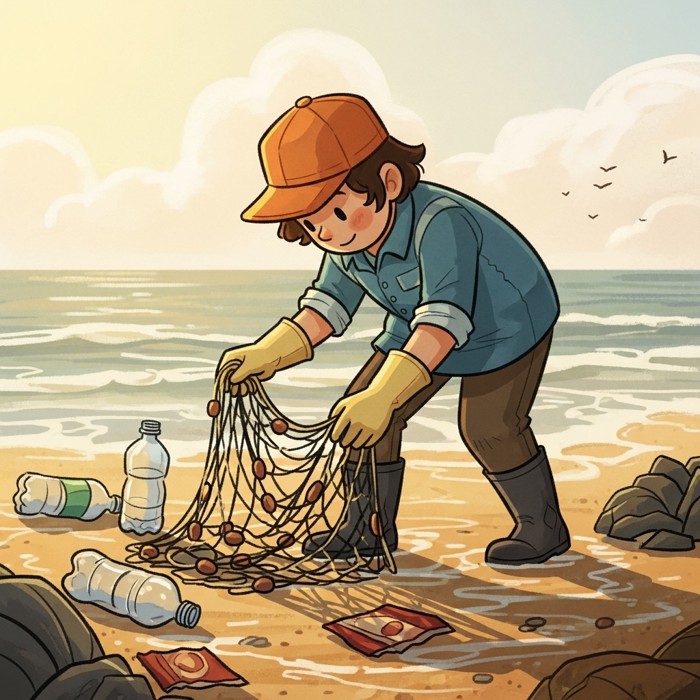
When volunteers walk along the shore, they find plastic bottles, food wrappers, and fishing nets.
These items tell a story about everyday habits and throwaway culture.
Most of the trash does not come from beachgoers.
It travels through rivers, storm drains, and wind from cities far away.
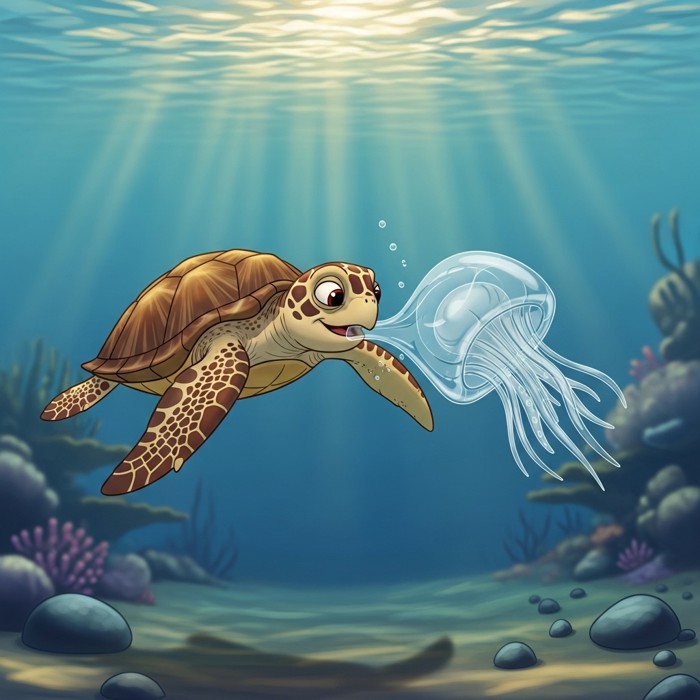
Sea turtles, seabirds, and fish often mistake plastic for food.
This causes serious harm and sometimes death to ocean animals.
When people see this damage with their own eyes, they begin to care more deeply.
[Cleanups] also bring communities together around a shared purpose.

Volunteers often leave feeling more connected to the ocean and to each other.
The data collected during [cleanups] helps scientists track pollution trends over time.
This information can influence local laws and encourage businesses to reduce packaging waste.
One cleanup [cannot] solve the [ocean's] pollution problem, but it plants an important seed.
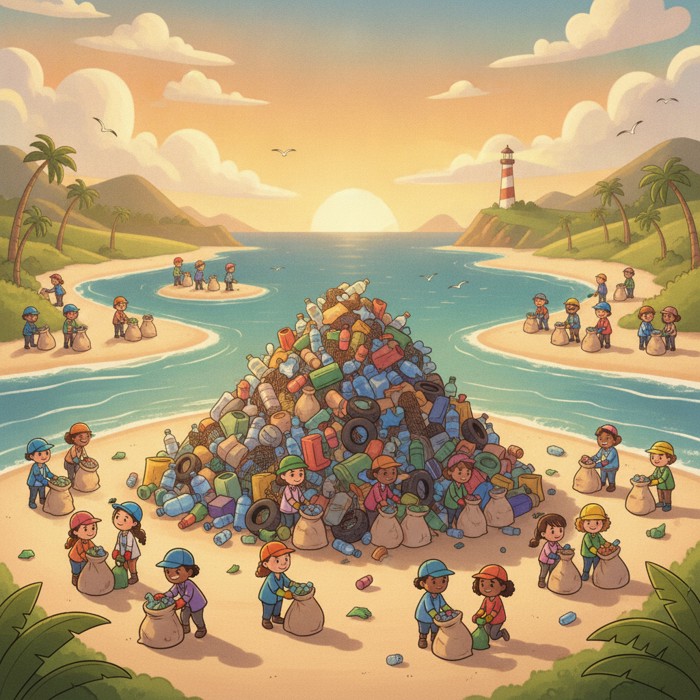
Small actions, repeated by many people, can create real and lasting change.
The ocean covers more than seventy percent of our planet, and it needs our help.
Next time you visit a beach, bring a bag and make a difference.
Key Vocabulary
 Communities (n) Groups of people living in the same place or having a particular characteristic in commonUK: /kəˈmjuːnətiz/US: /kəˈmjuːnətiz/Learn more
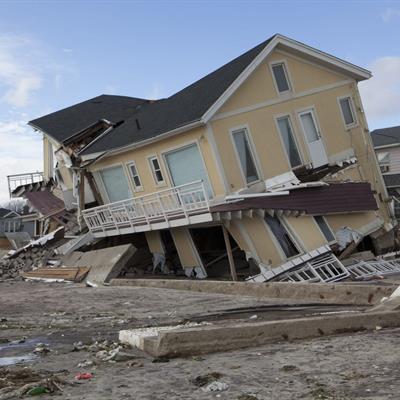 Damage (n) Physical harm that impairs the value, usefulness, or normal function of something.UK: ˈdæmɪdʒUS: ˈdæmɪdʒLearn more
 Habits (n) An action performed on a regular basis.UK: ˈhæbɪtsUS: ˈhæbətsLearn more
 Packaging (n) Materials used to wrap or protect goods.UK: ˈpækɪdʒɪŋUS: ˈpækɪdʒɪŋLearn more
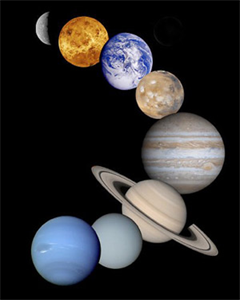 Planet (n) A celestial body moving in an elliptical orbit round a star.UK: ˈplænɪtUS: ˈplænɪtLearn more
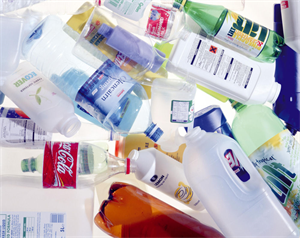 Plastic (n) A synthetic material that can be easily shaped when soft and then becomes hard, used for making many everyday objectsUK: ˈplæstɪkUS: ˈplæstɪkLearn more
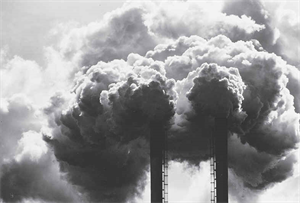 Pollution (n) The presence in or introduction into the environment of a substance which has harmful or poisonous effects.UK: pəˈluːʃnUS: pəˈluːʃnLearn more
 Trends (n) A general direction in which something is developing or changingUK: /trendz/US: /trendz/Learn more
 Volunteers (n) A person who freely offers to take part in an enterprise or undertake a task.UK: ˌvɒlənˈtɪəzUS: ˌvɑlənˈtɪrzLearn more

Practice This Story
Continue learning with Ettip's stories and vocabulary challenges.
More English Stories About The Ocean
Five Animals That Live Deep Underwater
The deep ocean is one of the least explored places on our planet. Scientists believe more than 80 percent of the ocean floor remains unknown to us. One of the most famous deep-sea animals is the angle...
How Oceans Shape Life on Earth
More than seventy percent of our planet is covered by ocean. The ocean is a living system that shapes all life on Earth. Oceans produce more than half of the oxygen we breathe. Tiny plants called phyt...
A Day Beside the Sea
The sound of the waves washed over me the moment I reached the shore. I had always lived far from the sea, so this was a special day for me. The water stretched all the way to the horizon, blue and en...
How Waves Change the Shore
Waves never stop moving, and neither does the shore. Every day, waves push and pull sand, rocks, and water along the coastline. This constant movement slowly changes the shape of beaches and cliffs. W...
Why Coral Reefs Need Protection
Coral reefs cover less than one percent of the ocean floor, but they support about 25 percent of all marine life. These colorful underwater structures are some of the most important ecosystems on Eart...
How Fishers Read the Ocean
Before sunrise, fishers stand at the shore and watch the ocean carefully. They are not just looking at water - they are reading signs that most people never notice. Experienced fishers can predict whe...
The Journey of Water Around Earth
The ocean covers more than seventy percent of Earth, and it drives one of the most important cycles in nature. Water is always moving - from the sea into the sky and back down to the ground again. Whe...
What Makes the Deep Ocean Mysterious?
The deep ocean covers more than half of Earth's surface, yet most of it remains completely unknown. Scientists have explored less than twenty percent of the ocean floor. The deeper you go, the darker...
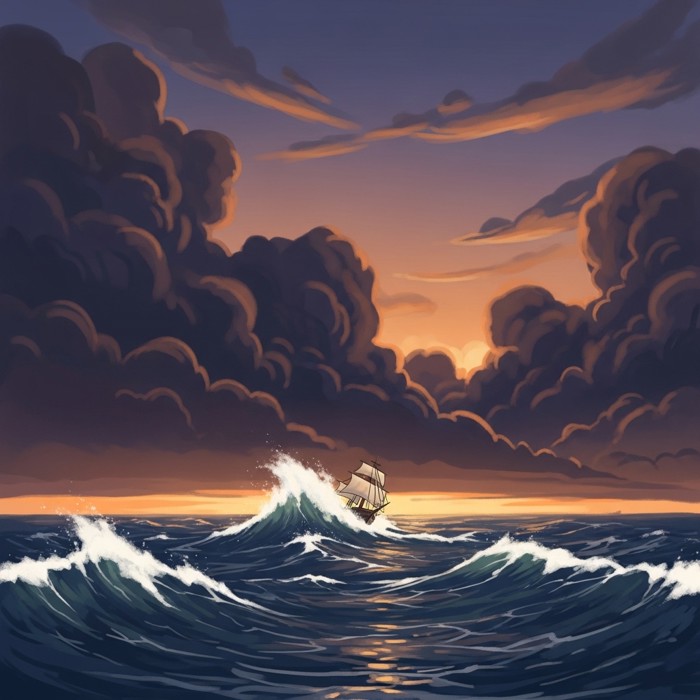
When Storms Begin at Sea
The sky turns a deep orange, and experienced sailors know something is coming. At sea, storms do not appear suddenly - they begin with quiet warnings. Warm air and cold air meet over the ocean, and th...
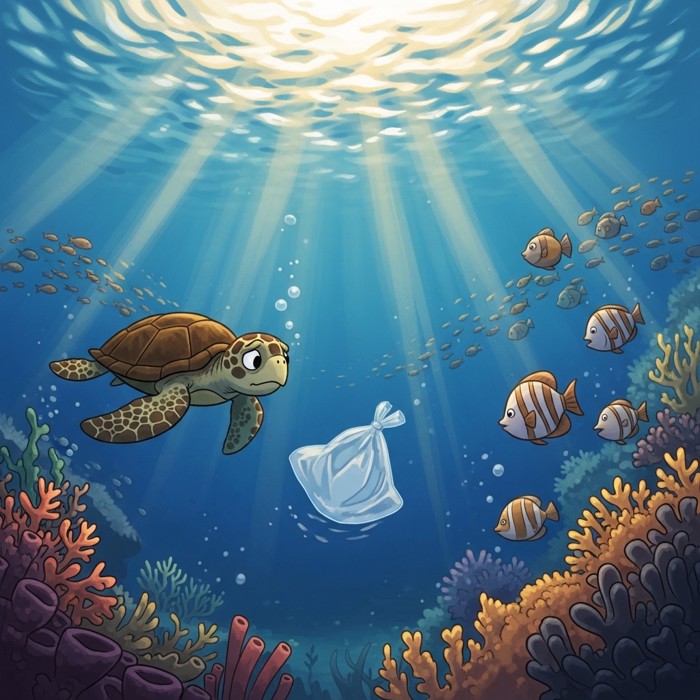
Why Plastic Hurts Sea Life
Every year, millions of tons of plastic enter the ocean. This plastic causes serious harm to sea life around the world. Plastic bags, bottles, and nets drift through the water for hundreds of years. S...