
When the Sea Gives People Food
- English level
- Level 2
- Topic
- The Ocean
- Estimated reading time
- 2 mins
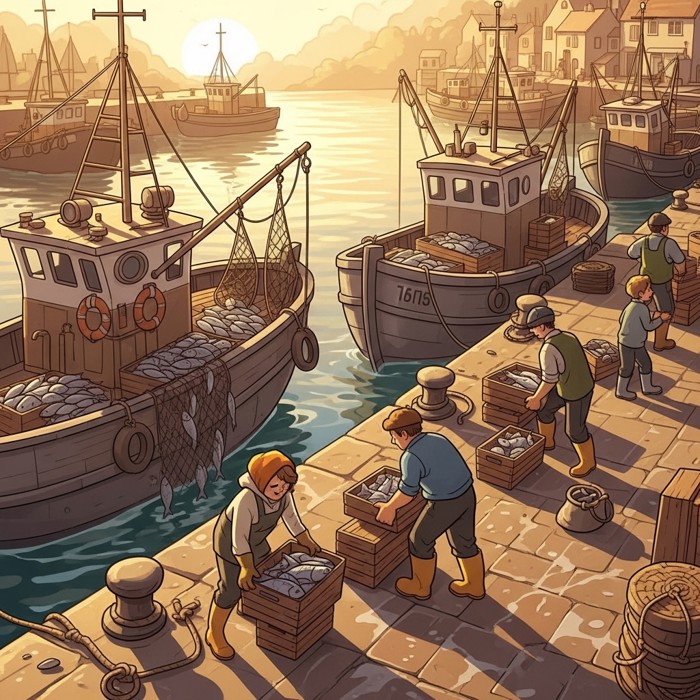
Every morning, fishing boats return to shore loaded with fish, shellfish, and other seafood.
The ocean has fed people around the world for thousands of years.
Billions of people depend on seafood as their main source of protein every day.
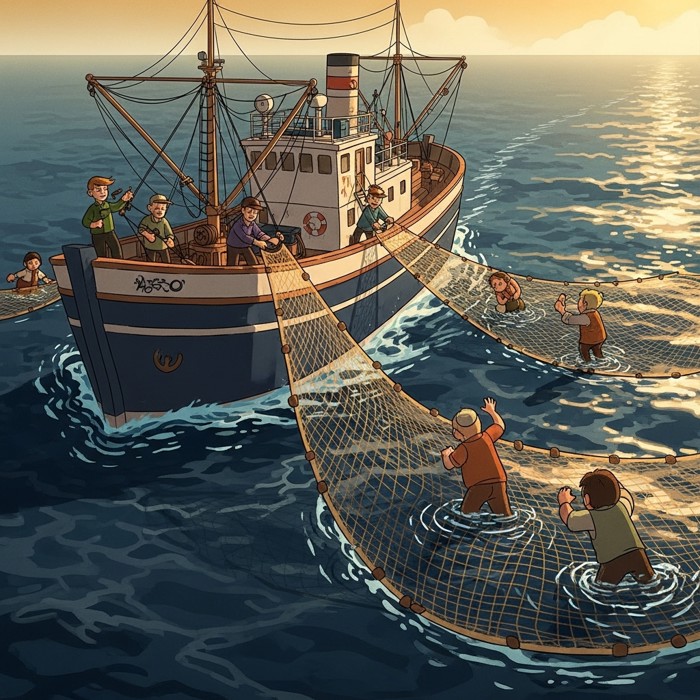
Fishermen use large nets to catch fish in the open sea, sometimes far from the coast.
Others use long fishing lines with many hooks to bring in tuna, swordfish, and other large fish.
Coastal communities have built their entire way of life around the fishing industry.
In many countries, small fishing villages have existed for hundreds of years near the sea.
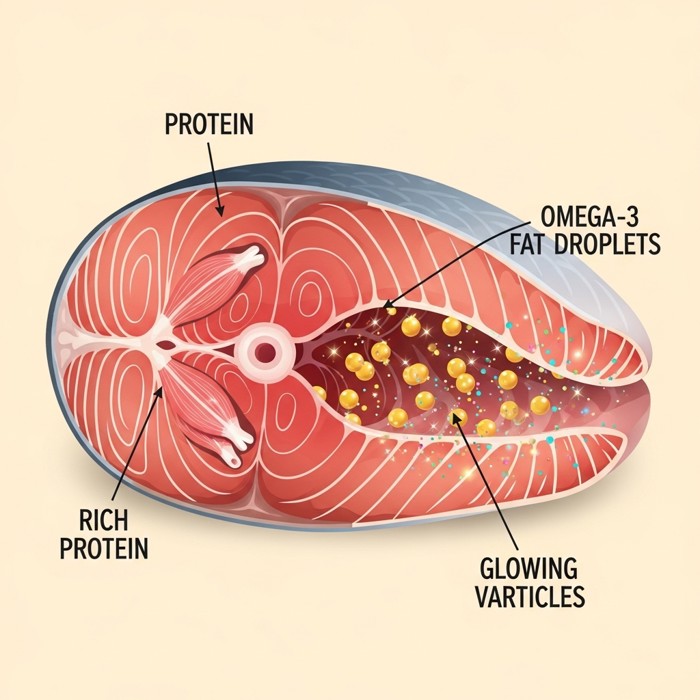
Fish and shellfish are full of important nutrients, including protein, omega-3 fats, and vitamins.
Doctors often recommend eating seafood regularly because it supports heart and brain health.
However, too much fishing has put many ocean species in danger.
Overfishing means that some fish populations [cannot] grow back fast enough to survive.
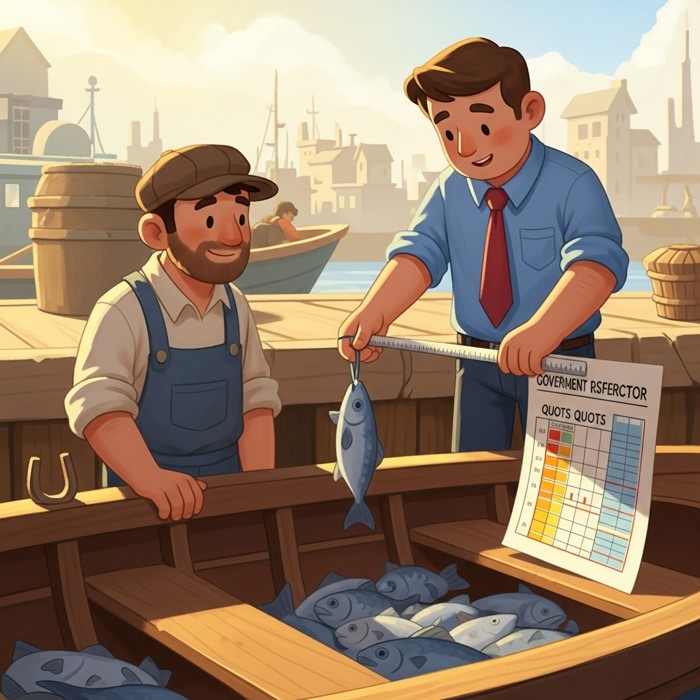
Because of this problem, many governments now set strict limits on how much fish can be caught.
Fish farming, also called aquaculture, has become an important way to produce seafood without catching wild fish.
Farms raise salmon, shrimp, and oysters in controlled water environments.
Seafood is an important part of cooking in almost every culture around the world.
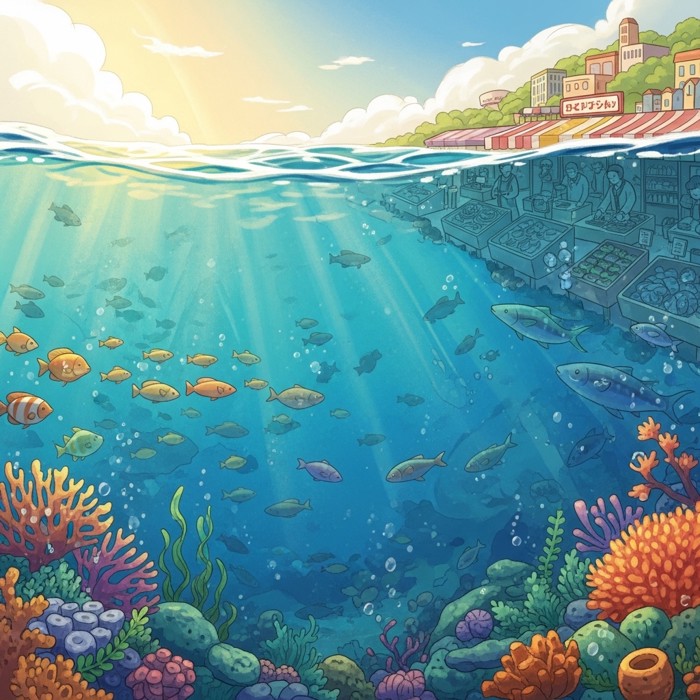
Protecting the ocean means protecting the food supply for billions of people on Earth.
Key Vocabulary
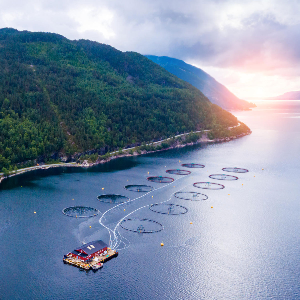 Aquaculture (n) The rearing of aquatic animals or the cultivation of aquatic plants for food.UK: ˈækwəkʌltʃə(r)US: ˈɑːkwəkʌltʃərLearn more
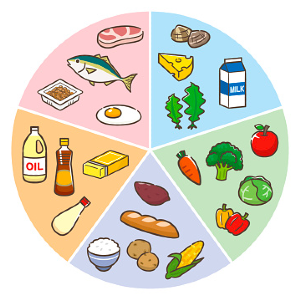 Nutrients (n) A source of nourishment, such as food, that can be metabolized by an organism to give energy and build tissueUK: ˈnjuːtrɪəntsUS: ˈnutriəntsLearn more
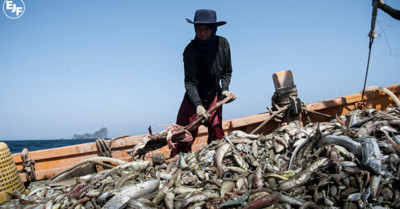 Overfishing (n) The practice of catching too many fish, which causes the fish population in an area to become too lowUK: /ˌəʊvəˈfɪʃɪŋ/US: /ˌoʊvərˈfɪʃɪŋ/Learn more
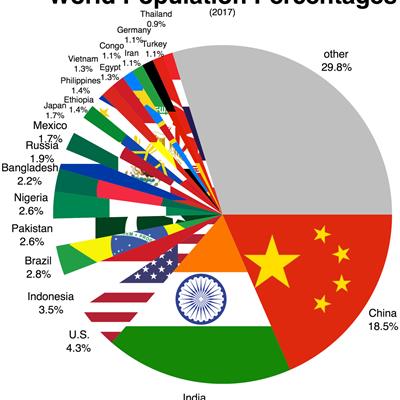 Populations (n) All the inhabitants of a particular place.UK: ˌpɒpjʊˈleɪʃənzUS: ˌpɑpjəˈleɪʃənzLearn more
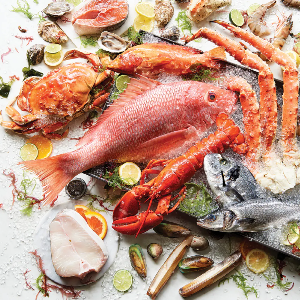 Seafood (n) Shellfish and sea fish, served as food.UK: ˈsiːfuːdUS: ˈsiːfuːdLearn more
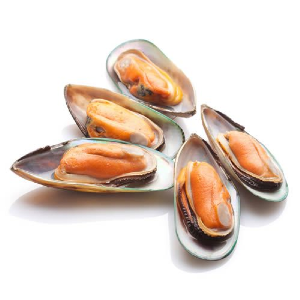 Shellfish (n) An aquatic shelled mollusc (e.g. an oyster or cockle) or crustacean (e.g. a crab or shrimp), especially one that is edible.UK: ˈʃelfɪʃUS: ˈʃelfɪʃLearn more
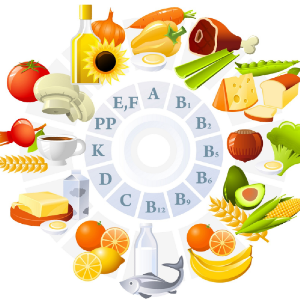 Vitamins (n) Essential substances in food that your body needs in small amounts to grow and stay healthyUK: ˈvɪtəmɪnzUS: ˈvɪtəmɪnzLearn more

Practice This Story
Continue learning with Ettip's stories and vocabulary challenges.
More English Stories About The Ocean
Five Animals That Live Deep Underwater
The deep ocean is one of the least explored places on our planet. Scientists believe more than 80 percent of the ocean floor remains unknown to us. One of the most famous deep-sea animals is the angle...
How Oceans Shape Life on Earth
More than seventy percent of our planet is covered by ocean. The ocean is a living system that shapes all life on Earth. Oceans produce more than half of the oxygen we breathe. Tiny plants called phyt...
A Day Beside the Sea
The sound of the waves washed over me the moment I reached the shore. I had always lived far from the sea, so this was a special day for me. The water stretched all the way to the horizon, blue and en...
How Waves Change the Shore
Waves never stop moving, and neither does the shore. Every day, waves push and pull sand, rocks, and water along the coastline. This constant movement slowly changes the shape of beaches and cliffs. W...
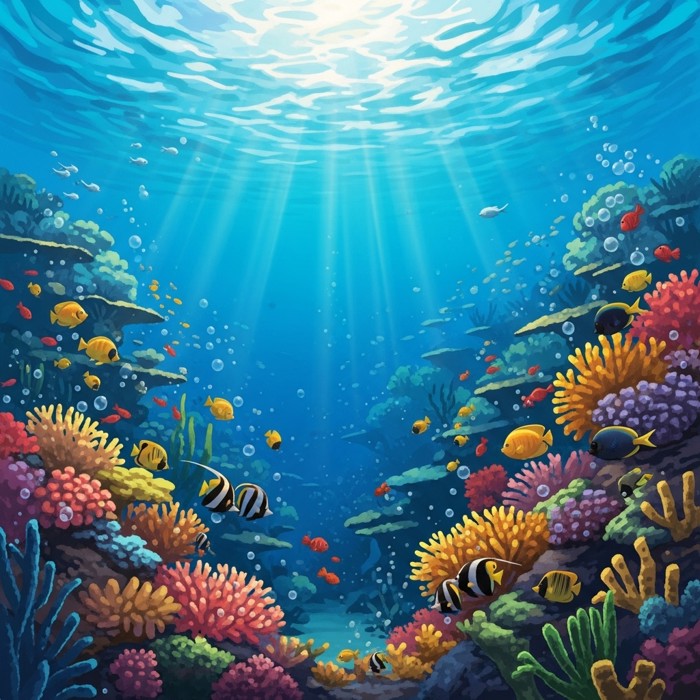
Why Coral Reefs Need Protection
Coral reefs cover less than one percent of the ocean floor, but they support about 25 percent of all marine life. These colorful underwater structures are some of the most important ecosystems on Eart...
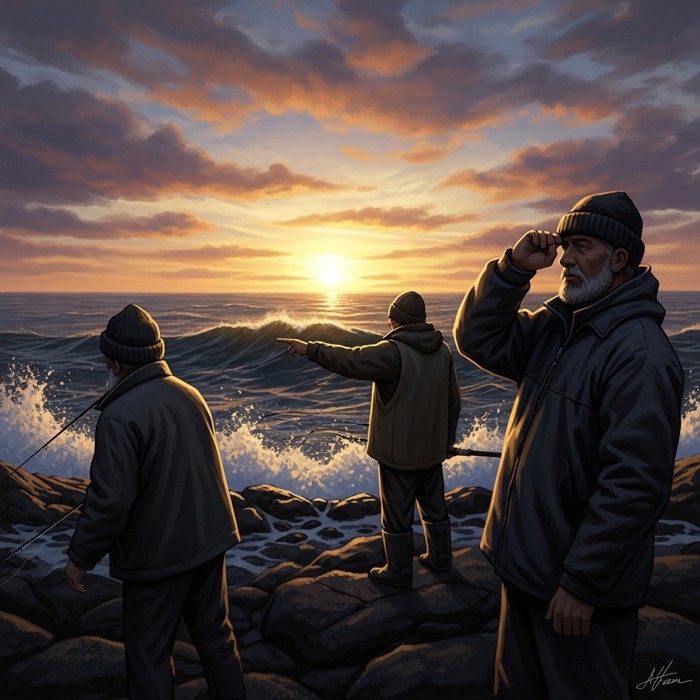
How Fishers Read the Ocean
Before sunrise, fishers stand at the shore and watch the ocean carefully. They are not just looking at water - they are reading signs that most people never notice. Experienced fishers can predict whe...
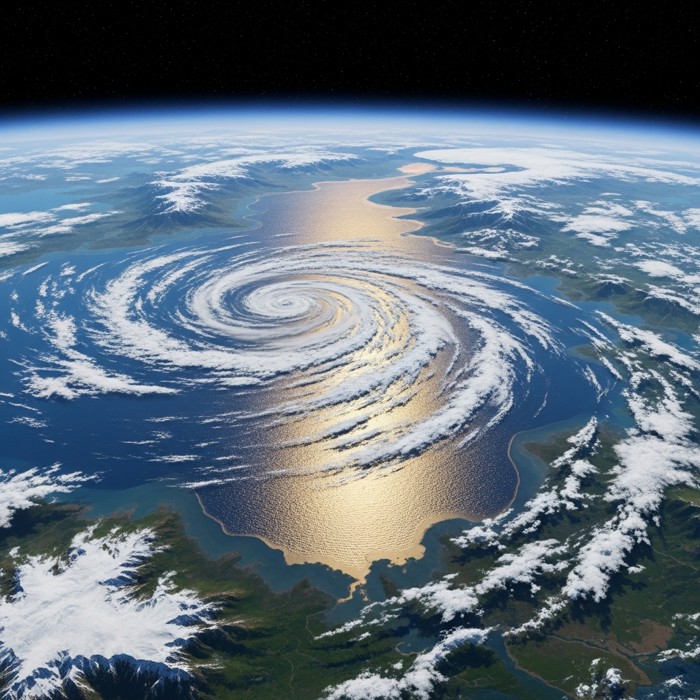
The Journey of Water Around Earth
The ocean covers more than seventy percent of Earth, and it drives one of the most important cycles in nature. Water is always moving - from the sea into the sky and back down to the ground again. Whe...
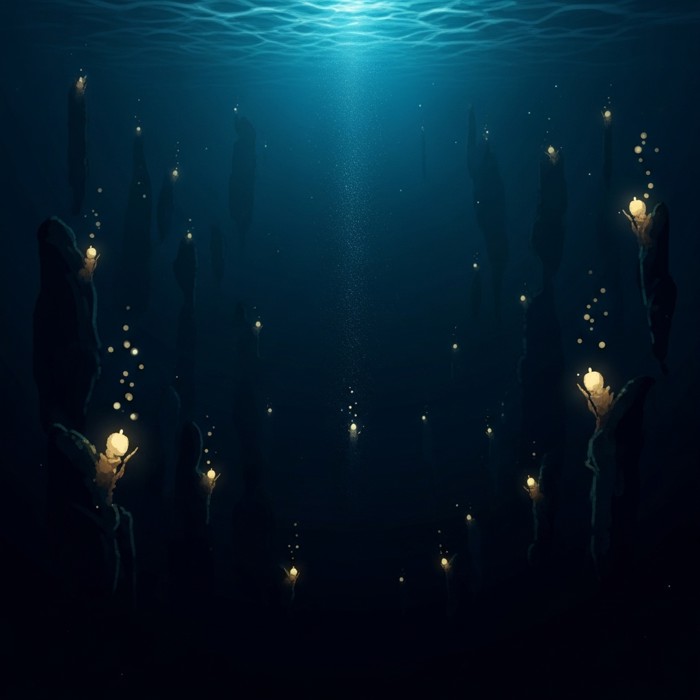
What Makes the Deep Ocean Mysterious?
The deep ocean covers more than half of Earth's surface, yet most of it remains completely unknown. Scientists have explored less than twenty percent of the ocean floor. The deeper you go, the darker...
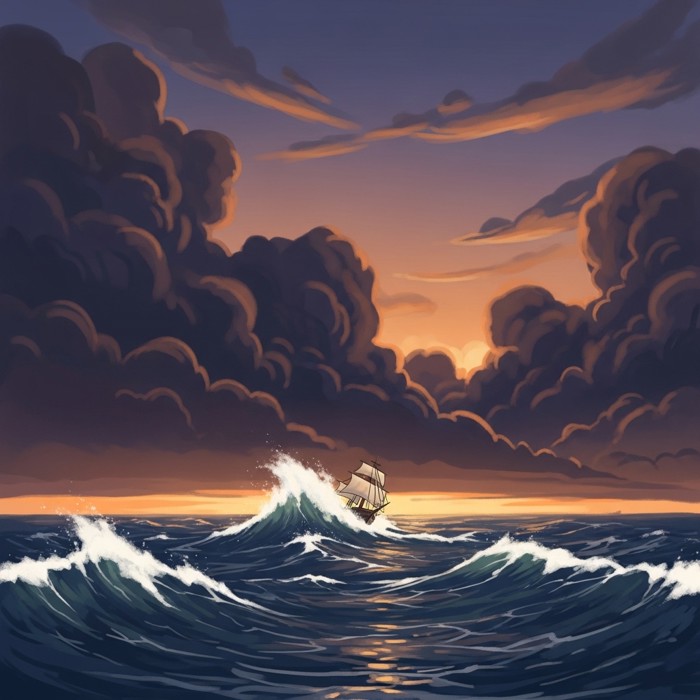
When Storms Begin at Sea
The sky turns a deep orange, and experienced sailors know something is coming. At sea, storms do not appear suddenly - they begin with quiet warnings. Warm air and cold air meet over the ocean, and th...
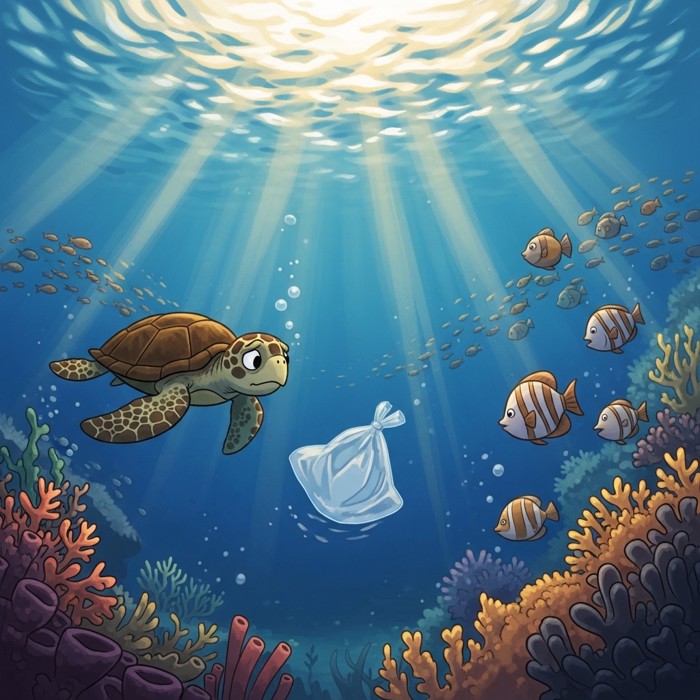
Why Plastic Hurts Sea Life
Every year, millions of tons of plastic enter the ocean. This plastic causes serious harm to sea life around the world. Plastic bags, bottles, and nets drift through the water for hundreds of years. S...