
Why Islands Depend on the Ocean
- English level
- Level 2
- Topic
- The Ocean
- Estimated reading time
- 2 mins
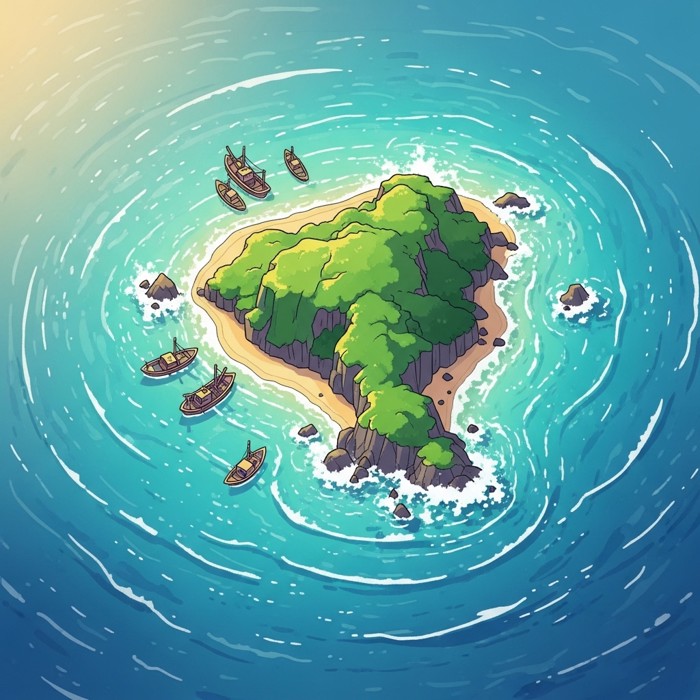
Islands are pieces of land completely surrounded by water, so the ocean shapes every part of island life.
The ocean is the primary source of food for most island communities.
Fishermen go out to sea each day to catch fish, shellfish, and other seafood that feed local families.
Without the [ocean's] resources, many islands would struggle to feed their populations.
The ocean also serves as the main highway for transporting goods to and from islands.
Ships carry food, medicine, and building materials across the water to communities that [cannot] grow or produce everything they need.
Tourism brings visitors from around the world to enjoy island beaches and ocean activities, which supports local economies.
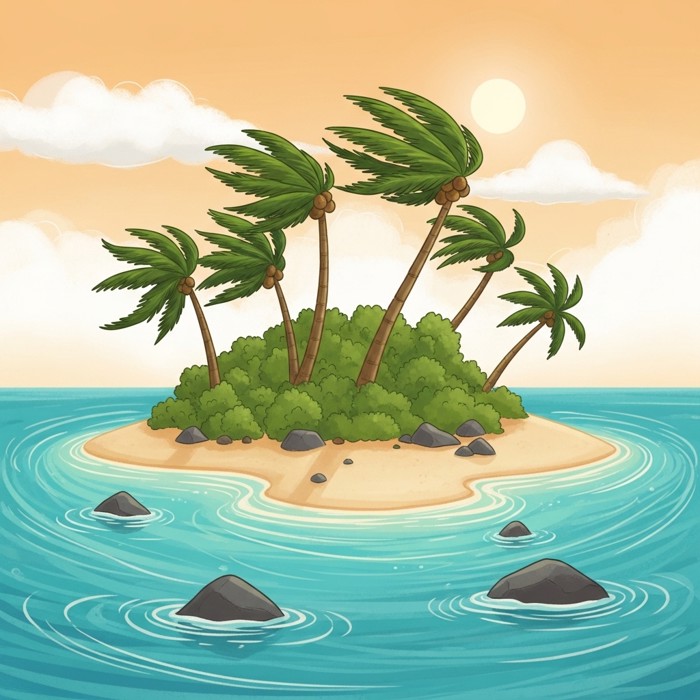
Ocean currents and winds influence the weather on islands, making some places warm and tropical all year.
However, powerful storms that form over the ocean can cause serious damage to island homes and infrastructure.
Rising sea levels, caused by climate change, threaten to flood low-lying islands and force people to leave their homes.
The ocean is also deeply connected to island culture, as traditional music, art, and stories often celebrate the sea.
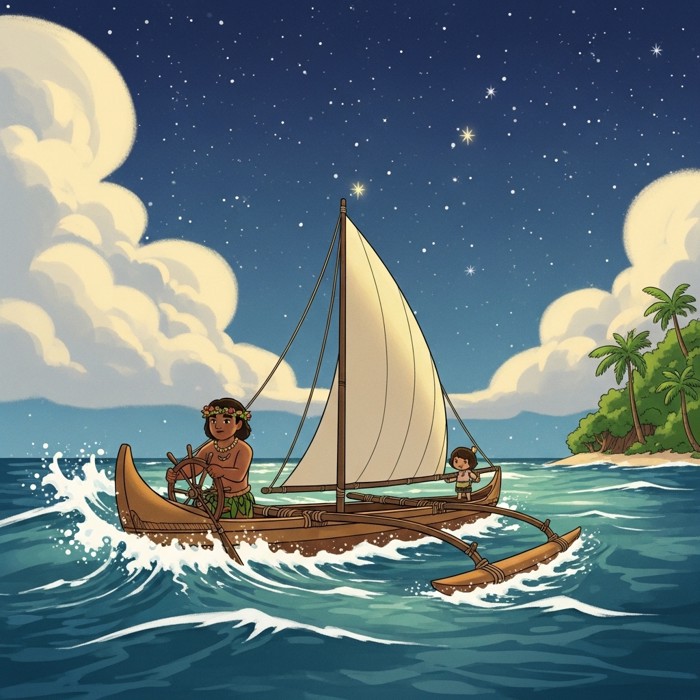
Island peoples have sailed the ocean for thousands of years, developing remarkable navigation skills.
Protecting the ocean means protecting the future of islands and the people who call them home.
The connection between islands and the ocean is not just physical, it is the foundation of island life itself.
Key Vocabulary
 Communities (n) Groups of people living in the same place or having a particular characteristic in commonUK: /kəˈmjuːnətiz/US: /kəˈmjuːnətiz/Learn more
 Currents (n) Continuous movements of water, air, or electricity flowing in a particular directionUK: /ˈkʌrənts/US: /ˈkɜːrənts/Learn more
 Economies (n) The way a country or region manages its money, industry, and trade to produce and consume goods and servicesUK: iˈkɒnəmizUS: iˈkɑnəmizLearn more
 Foundation (n) The lowest load-bearing part of a building, typically below ground level.UK: faʊnˈdeɪʃnUS: faʊnˈdeɪʃnLearn more
 Navigation (n) The process or activity of accurately ascertaining one's position and planning and following a route.UK: ˌnævɪˈɡeɪʃnUS: ˌnævɪˈɡeɪʃnLearn more
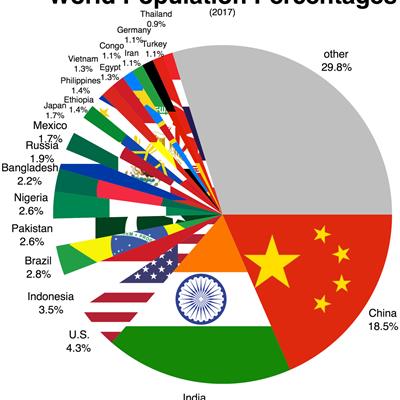 Populations (n) All the inhabitants of a particular place.UK: ˌpɒpjʊˈleɪʃənzUS: ˌpɑpjəˈleɪʃənzLearn more
 Primary (adj) Of chief importance; principal.UK: ˈpraɪməriUS: ˈpraɪmeriLearn more
 Protecting (v) Keeping someone or something safe from harm or dangerUK: /prəˈtektɪŋ/US: /prəˈtektɪŋ/Learn more
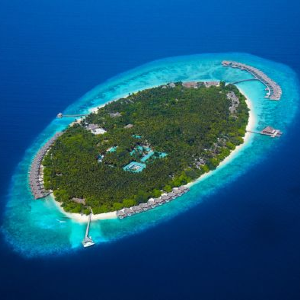 Surrounded (v) Having things or people all around you on every side, making it difficult to move or escapeUK: səˈraʊndɪdUS: səˈraʊndɪdLearn more
 Threaten (v) State one's intention to take hostile action against (someone) in retribution for something done or not done.UK: ˈθretnUS: ˈθretnLearn more
 Tourism (n) The commercial organization and operation of holidays and visits to places of interest.UK: ˈtʊərɪzəmUS: ˈtɔːrɪzəmLearn more
 Transporting (v) Strongly emotional, enthralling, enthrallingUK: trænˈspɔːtUS: trænˈspɔːrtLearn more

Practice This Story
Continue learning with Ettip's stories and vocabulary challenges.
More English Stories About The Ocean
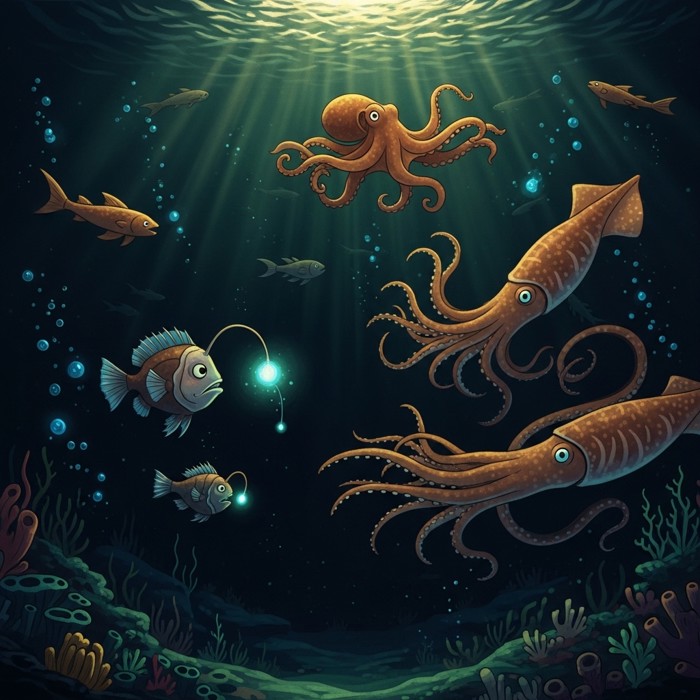
Five Animals That Live Deep Underwater
The deep ocean is one of the least explored places on our planet. Scientists believe more than 80 percent of the ocean floor remains unknown to us. One of the most famous deep-sea animals is the angle...
How Oceans Shape Life on Earth
More than seventy percent of our planet is covered by ocean. The ocean is a living system that shapes all life on Earth. Oceans produce more than half of the oxygen we breathe. Tiny plants called phyt...
A Day Beside the Sea
The sound of the waves washed over me the moment I reached the shore. I had always lived far from the sea, so this was a special day for me. The water stretched all the way to the horizon, blue and en...
How Waves Change the Shore
Waves never stop moving, and neither does the shore. Every day, waves push and pull sand, rocks, and water along the coastline. This constant movement slowly changes the shape of beaches and cliffs. W...
Why Coral Reefs Need Protection
Coral reefs cover less than one percent of the ocean floor, but they support about 25 percent of all marine life. These colorful underwater structures are some of the most important ecosystems on Eart...
How Fishers Read the Ocean
Before sunrise, fishers stand at the shore and watch the ocean carefully. They are not just looking at water - they are reading signs that most people never notice. Experienced fishers can predict whe...
The Journey of Water Around Earth
The ocean covers more than seventy percent of Earth, and it drives one of the most important cycles in nature. Water is always moving - from the sea into the sky and back down to the ground again. Whe...
What Makes the Deep Ocean Mysterious?
The deep ocean covers more than half of Earth's surface, yet most of it remains completely unknown. Scientists have explored less than twenty percent of the ocean floor. The deeper you go, the darker...
When Storms Begin at Sea
The sky turns a deep orange, and experienced sailors know something is coming. At sea, storms do not appear suddenly - they begin with quiet warnings. Warm air and cold air meet over the ocean, and th...
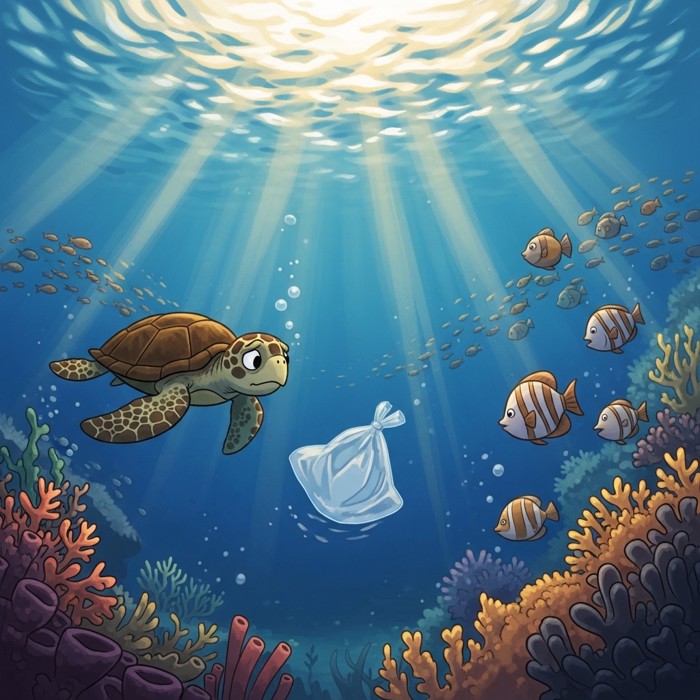
Why Plastic Hurts Sea Life
Every year, millions of tons of plastic enter the ocean. This plastic causes serious harm to sea life around the world. Plastic bags, bottles, and nets drift through the water for hundreds of years. S...